Growing herbs is fun and so rewarding, but some people think they are difficult to care for. So in this post, I’m going to show you just how easy it is, and teach you all you need to know in order to be successful.
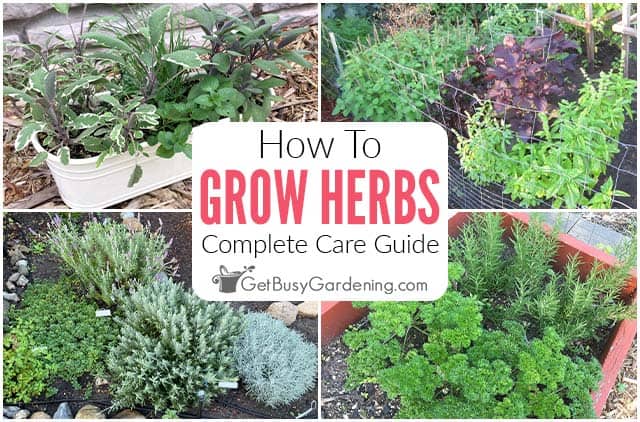

Whether in the garden or pots, growing your own fresh herbs can bring beauty to your yard, flavor to your kitchen, and they are easier to care for than you might think.
There are countless types to choose from too, making it simple for even beginners to find ones, no matter their space or experience.
In this guide you’ll learn everything you need to know about how to grow herbs at home.
Discover where they’ll thrive best, including their sun, water, and fertilizer needs, plus get tips on propagation, harvesting, pruning, and much more.
Information About Growing Herbs
Herbs have been cultivated over hundreds of years for various reasons. They’re used in cooking, medicines, fragrances, or even just for the sheer beauty they bring to a garden.
There are many different kinds as well. Some are tender, some hardy, some have a creeping habit, while others are compact bushes.
No matter which type you enjoy, many share the same basic needs in order to thrive.
Different Types Of Herbs
There are far too many types of herbs to list all in one place. There are often many varieties of each as well, with subtle differences in appearance, flavor, hardiness, or fragrance.
However there are three basic ways that you can categorize them.
- Annuals – These are often tender, leafy, and live for just one year. Basil, chamomile, cilantro, and dill are good examples.
- Biennials – Herbs that grow the first year, then flower and set seed the second year are called biennials. Parsley and fennel are very popular ones from this category.
- Perennials – These will produce for many years given the right climate and conditions. Thyme, tarragon, lavender, oregano, sage, and chives are just a few examples. Get the full list here.
Hardiness
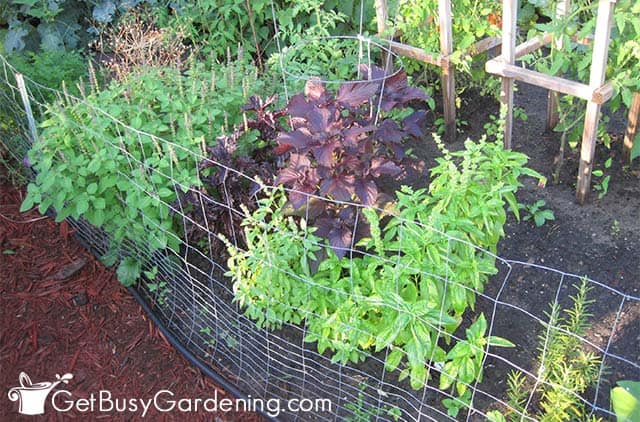
With so many options to choose from, a wide range of hardiness exists. Many can handle cold temperatures better than expected. Some herbs can grow for many years in zones as low as 4.
Some are more tender and prefer warmer climates in zones 8+. These can be grown as annuals in colder regions, or overwintered in containers somewhere sheltered.
Even different varieties of one type can range in hardiness, so check the seed packet or plant tag to verify what conditions they’ll tolerate.
How To Grow Herbs
Before we get into the specific care requirements, first we should talk about choosing the best place to grow herbs. The right location and timing can get them off to a healthy start.
Where To Grow Herbs
Herbs are simpler to grow than many gardeners realize because they’re incredibly versatile.
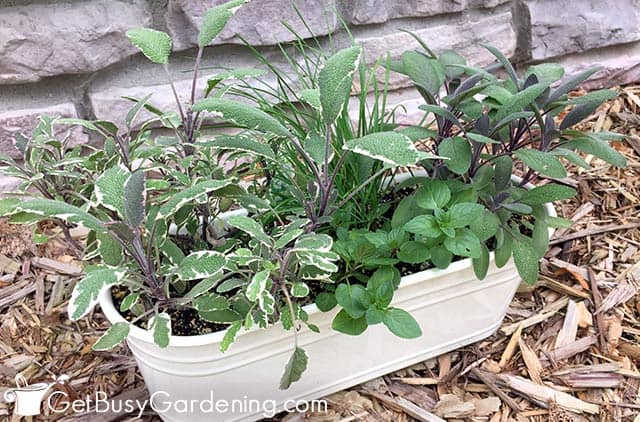
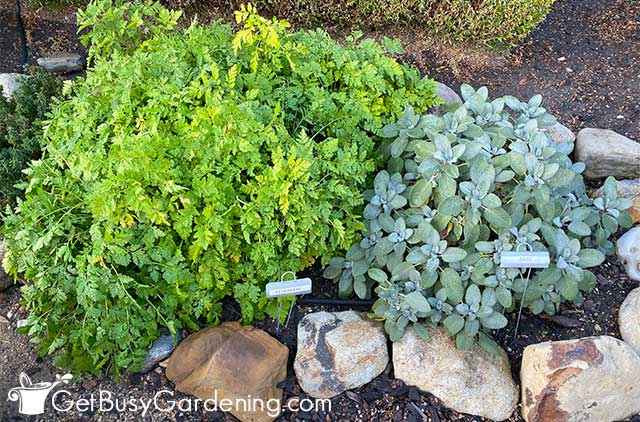
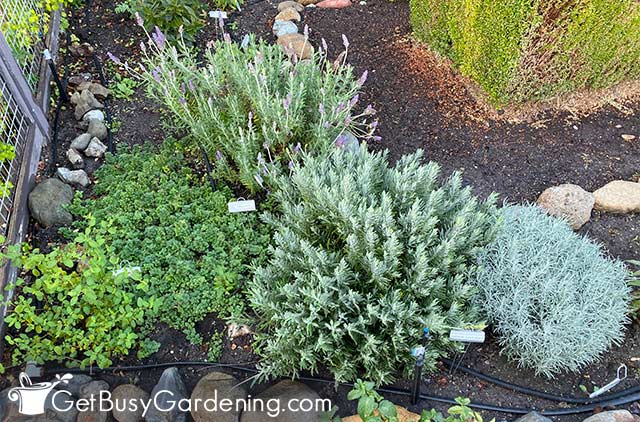
Whether you want to grow them in your garden, outdoor containers, or indoors, each can be done with great success. The best location will depend on your climate, and the specific ones you choose.
Mint is a rapid spreader for example, so it’s often kept in containers to prevent it from taking over the garden.
In cold climates, using pots can allow you to keep tender varieties, like marjoram or rosemary, in a sheltered, warm location over the winter.
One universal rule is to always choose containers or a garden location with good drainage.
When To Plant Herbs
The best time to plant most herbs is between spring and early summer, depending on their temperature tolerance.
Some will do best in cool weather, and will bolt when it gets too warm. While others need lots of heat in order to thrive.
So be sure to research the specific type you have to determine the exact timing.
Herb Plant Care & Growing Instructions
Now that you have a location in mind, it’s time to chat about how to grow herbs. Providing the right care can give you an abundant and delicious crop.
Sunlight
Most herbs will thrive with 6+ hours of sunlight every day, but many can grow just fine in partial shade.
Those that like cooler weather can burn, wilt, or bolt in the heat of the afternoon, and will actually prefer shade during those hours.
To make it easy, you can use a shade cloth to shield them from the intense afternoon rays.
Water
Herbs come in a range of drought tolerance. Those that are native to arid, Mediterranean climates can handle dry periods, while others cannot.
Most, however, prefer consistent moisture. A good rule of thumb is to check if the soil is damp 1-2” down. Water deeply if it’s dry, and drain off all excess.
None of them like it soggy, so it’s better to underwater than to overdo it. Overwatering is a common cause of death, so use a tool like a moisture gauge to get it just right.
Temperature
Though there are varieties that will tolerate extreme high or low temperatures, most herbs grow best in moderate weather.
Heat can lead to flowering, bolting, wilting, or damage, while freezing temps will kill the non-hardy ones.
Check with your specific variety to better understand the temperature limits it can take.
Fertilizer
Herbs are not heavy feeders, and don’t require a lot of fertilizer as part of their regular care routine.
However, occasional applications, especially for those in containers, can help promote strong growth.
I always recommend natural over chemical options. Good choices include liquids, like compost tea or fish emulsion. Or you can top-dress them with slow release granules, worm castings, or compost.
You can get more information on when and how to fertilize them in my complete guide.
Soil
One of the things that makes herbs easy to grow is that they’ll thrive in a general, all-purpose potting soil, or a fertile, well-draining garden bed.
You can amend poor quality soils with compost or worm castings to improve fertility and drainage.
Pruning
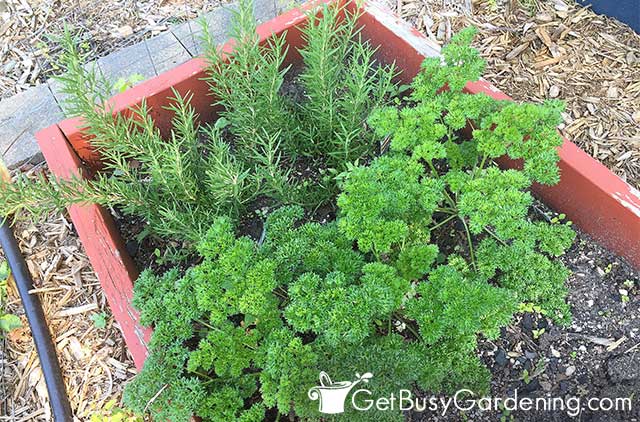
The specifics of pruning herbs will depend on the ones you grow, but most like to be trimmed routinely to encourage more branching.
It’s also a good way to prolong the season when they begin to flower. Pinch off or remove flowering stalks as you see them to keep the plant focused on leafing instead.
Pest Control Tips
The strong fragrance and flavor makes many herbs less susceptible to pests. In fact, they’re often grown as deterrents in vegetable gardens.
But they can still be affected by a few nuisances like aphids, whiteflies, spider mites, and flea beetles.
These bugs rarely do enough damage to kill them, but you can treat them with natural solutions like neem oil or insecticidal soap.
Making your own bug spray is easy too. Simply combine 1 teaspoon of mild liquid soap with 1 liter of water.
Disease Control Tips
The most common diseases that affect herbs are blight and mildew.
You can use a natural fungicide to help treat mildew. Also, water at the base of the plant, instead of overhead, to keep the leaves dry and prevent soil from splashing up.
If you’re having no success controlling the spread, pull the plant and destroy it to prevent it from infecting others in your garden.
Tips For Harvesting Herbs
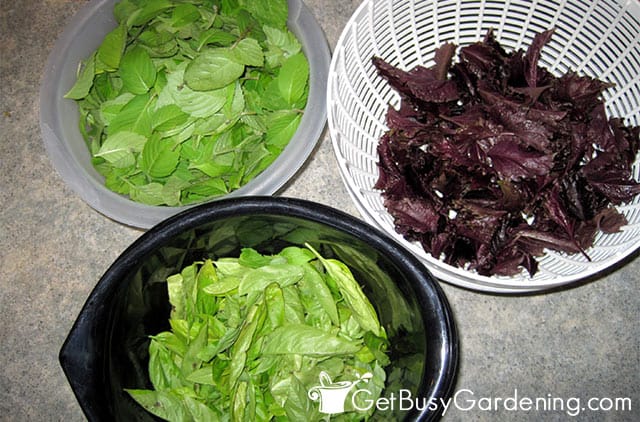
You can harvest most herbs as needed throughout the growing season. Many can handle up to half being taken at a time.
During the spring and summer, take clippings regularly to encourage a larger yield. You can use freshly picked ones right away, or preserve them for later.
Herb Propagation Tips
Many herbs are typically very easy to propagate, and there are several ways to do it.
Some can be multiplied by rooting stem cuttings, or by dividing the rootball of mature plants. While others can only be grown from seeds.
It’s best to tackle this in the spring so they have plenty of time to mature before the cold weather returns in the fall.
Troubleshooting Common Herb Growing Problems
Herbs are usually easy to grow, and are often fairly low maintenance. But if you run into any of these common issues, my tips can help you get them back into good health.
Yellow Leaves
The most common causes for yellowing leaves on herb plants are overwatering or a nutrient deficiency.
Avoid making the soil soggy, and let them dry out between drinks to prevent issues like rot.
If you’ve never fed them, they may benefit from an application of a balanced fertilizer to replenish the nutrients.
Herbs Not Growing
There are several reasons that your herbs may not be growing. Nutrient deficiency, lack of sunlight, or containers that are too large can all be culprits.
Most herbs prefer 6 or more hours of sun a day, so move them to a location that gets more light if possible, and add a balanced fertilizer to stimulate them.
It may be that the plant is focused on root growth if it was placed in too large of a pot. If it appears healthy, be patient and allow it to become established.
Brown Leaves
Browning herb leaves can be tricky to diagnose, as it could be caused by too much or too little of either water, sun, or fertilizer.
Most don’t need more than one or two applications of fertilizer throughout the year, and more than that can cause burning. Especially if you use a synthetic chemical-based product.
They may not be receiving enough light if they’re in a shady location. Or, if they’re in the direct sun, especially during afternoon hours, they could be burning from the intense rays.
Inconsistent watering, especially too little, can also stress herbs and cause browning on the leaves and tips.
Spots On Leaves
Insects or fungal diseases like powdery mildew are the most likely causes of spots on the leaves.
Apply an organic fungicide if you suspect disease. Otherwise, inspect the leaves closely for bugs, and use an insecticidal soap to get rid of them.
FAQs About Growing Herbs
Here I’ve answered some of the most commonly asked questions about growing herbs. If yours isn’t on the list, please ask it in the comments section below.
Is it easy to grow herbs?
It is easier to grow herbs than most people think, even for beginners. They’re low maintenance and most just require consistent light and adequate water to thrive.
Do herbs grow better in pots or the ground?
Herbs can grow equally well in pots or in the ground. With fertile, fast-draining soil, the right amount of sun, and proper watering, you can have great success in both locations.
Do herbs grow in sun or shade?
Most herbs grow best with between 6-8 hours of sun a day, but many can also thrive in partial shade, especially during the hottest part of the afternoon.
How often do herbs need to be watered?
How often herbs need to be watered will depend on your climate, the type you have, and the growing location. Instead of sticking to a schedule, check the soil. If it’s dry several inches down, it’s time for a drink.
Herbs are easy to grow, hardier than expected, and will bring beauty to your garden. With these detailed care tips, even a beginner can successfully enjoy a wide variety at home.

If you’d like to learn how to make the most of your space and get as much homegrown food as possible, then my Vertical Vegetables book is perfect! It will teach you all you need to know, has tons of gorgeous inspirational photos, and 23 DIY projects you can build for your own garden. Order your copy today!
Learn more about my Vertical Vegetables book here.
More About Herb Gardening
- 11 Easy Herbs To Grow In Your Garden
- 15 Herbs To Grow In Your Shade Garden
- 13 Best Herbs To Grow Inside
- How To Grow Ginger Root Indoors Or Outside
Share your tips for how to grow herbs in the comments section below.

Leave a Reply