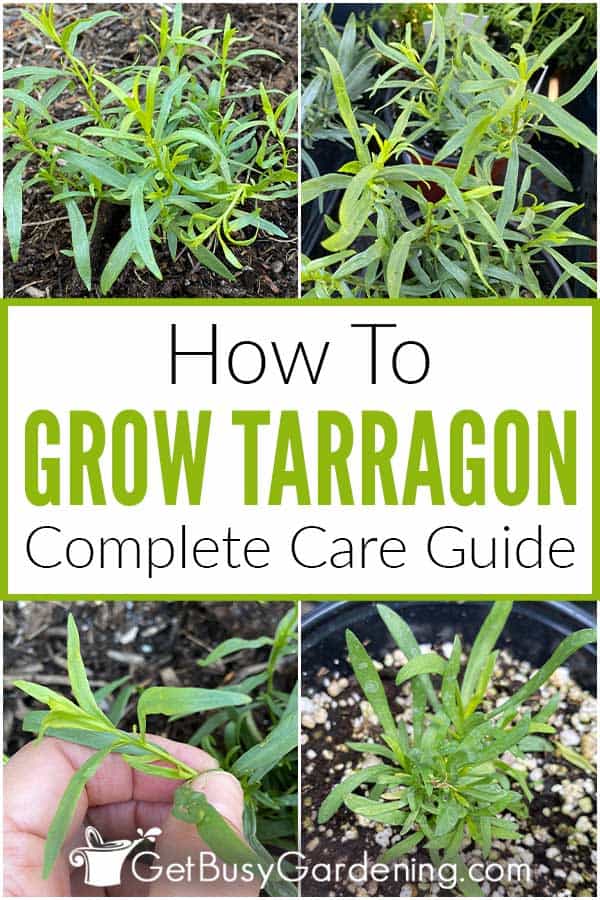
Growing tarragon is surprisingly simple, and it requires very little care. In this post, I’ll teach you all about how to do it, so you’ll have the best success.

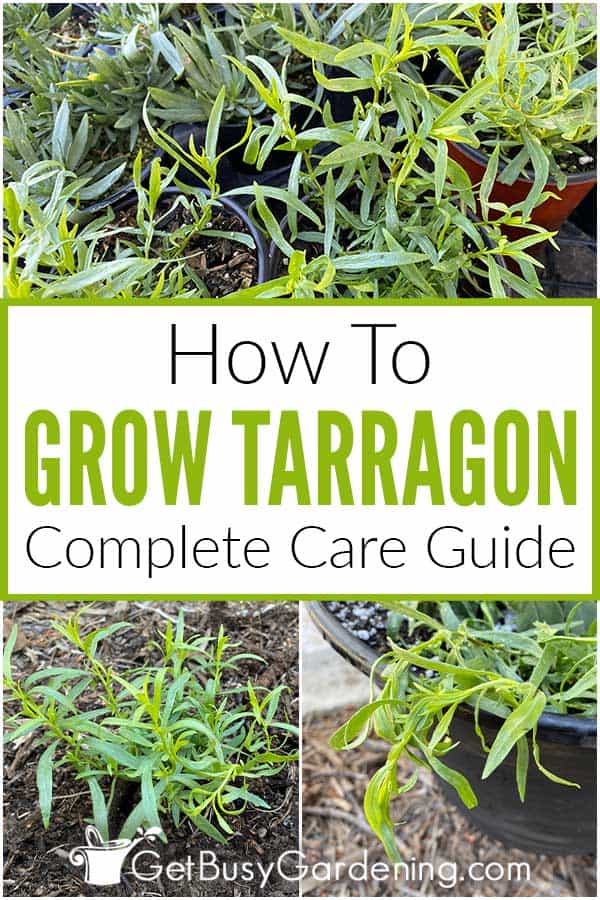
Tarragon is a pleasure to grow in the home garden, and it is much easier than you might think.
Beginners can even grow a bountiful crop once they know how to give tarragon the care it needs to thrive.
In this guide all about growing tarragon, I’ve shared my best tips and advice so anyone can get it going.
You’ll learn when and where it thrives, how much sun, water, and fertilizer it needs, and how to keep it healthy through the years.
Tarragon Plant Care Overview
| Scientific name: | Artemisia dracunculus |
| Classification: | Herb |
| Common names: | Tarragon |
| Hardiness: | Zones 4-8 |
| Temperature: | 60-80°F |
| Flowers: | White or pale green, blooms late summer-fall |
| Light: | Full sun to partial shade |
| Water: | Allow soil to dry between waterings, do not overwater |
| Humidity: | Average |
| Fertilizer: | General purpose plant food in spring and summer |
| Soil: | Fast-draining, fertile soil |
| Common pests: | Spider mites |
Information About Tarragon
Tarragon is a flowering perennial from the Asteraceae, or sunflower, family. It’s native to Northeast Europe and parts of Central Asia.
It’s a fast-growing, cold hardy plant that is one of the first to return in the spring. Gardeners love it for its pest repellent abilities, and sweet, anise flavors.
The fragrant leaves grow stems that can reach up to 3’ tall. They produce small, insignificant white or pale green flowers in the summer.
Different Types Of Tarragon Plants
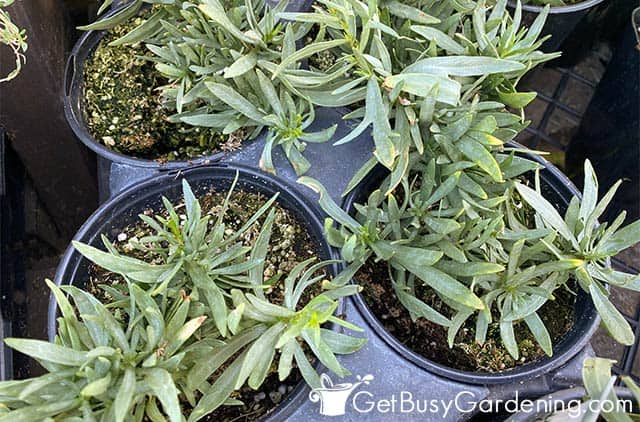
There are two types of tarragon, French (Artemisia dracunculus) and Russian (Artemisia dracunculoides), both have similar care requirements.
French tarragon is the most popular for flavor and fragrance, but can be more sensitive to heat, sun, and moisture.
Russian tarragon is typically easier to grow, but it has coarser leaves, and is considered a less flavorful option.
Hardiness
Tarragon is a very hardy plant that thrives in zones 4-8. It favors the cool temperatures of spring, and will bolt or suffer when exposed to summer heat.
It can survive extreme cold in harsh climates. But it does not like when it is overly wet during the winter.
How Does Tarragon Grow?
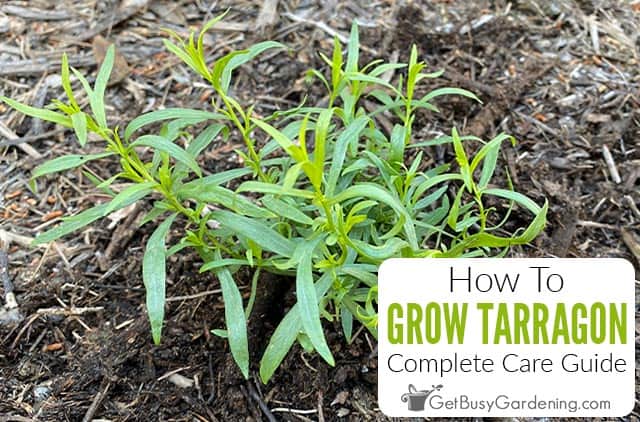
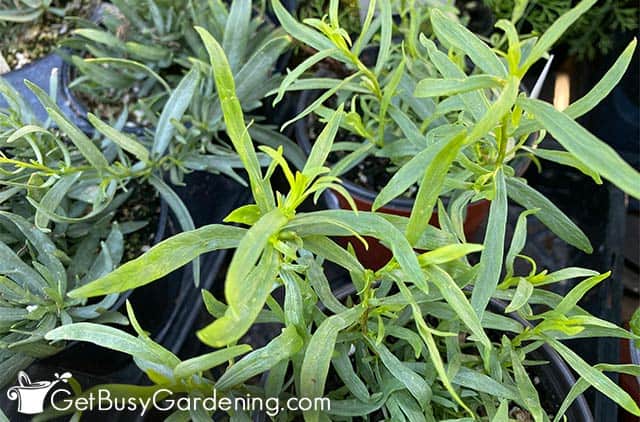
Tarragon grows in clumps from underground runners. The slender, edible leaves form on upright stems and have a green or blue-silver color.
It can get anywhere from 36” in height, and around 15” wide, to as much as 5’ tall, depending on the variety.
How To Grow Tarragon
Before we talk about how to care for it, first we should discuss when and where to grow tarragon. Choosing the best location can make all the difference in its overall health.
Where To Grow Tarragon
Tarragon loves the sun, but not the heat. An ideal location is an area that receives plenty of morning or evening sunshine, but is shaded during the hottest part of the afternoon.
It grows equally well in containers or garden beds. No matter where you place it, ensure it has good drainage to prevent issues of rot.
When To Plant Tarragon
You can plant tarragon outdoors as soon as the last frost has passed, and the ground is workable in early spring.
Since it prefers cool temps, you’ll want to give it plenty of time to get established before the summer heat kicks in.
Tarragon Plant Care & Growing Instructions
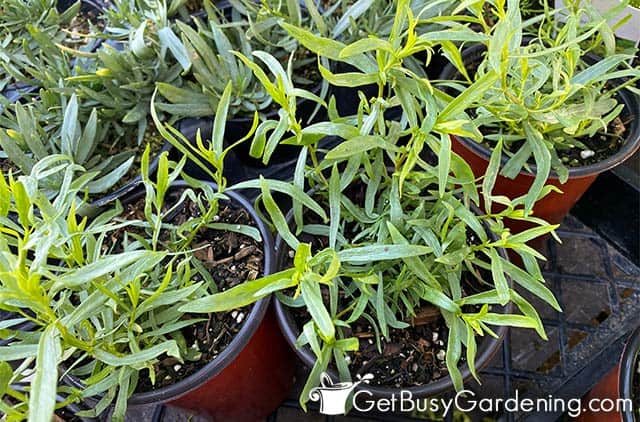
Now that you know where and when to get it started, it’s time to learn about growing tarragon. These care tips will help you keep it thriving.
Sunlight
Tarragon can grow in full sun or partial shade, but needs 6 hours or more of light every day.
In climates that see heat above 80°F consistently, it’s best to provide shade during the afternoon.
If you don’t have a protected spot, you can use a shade cloth to shield it from the intense rays.
Water
Established tarragon plants can tolerate drier conditions. But for the best production, keep the soil evenly moist. When it dries 2” down, give it a deep drink.
It doesn’t tolerate wet feet, so never water to the point of sogginess. Use a moisture gauge to help you get it just right.
Temperature
Tarragon is one of the first plants to grow back in the spring after freezing temperatures have passed.
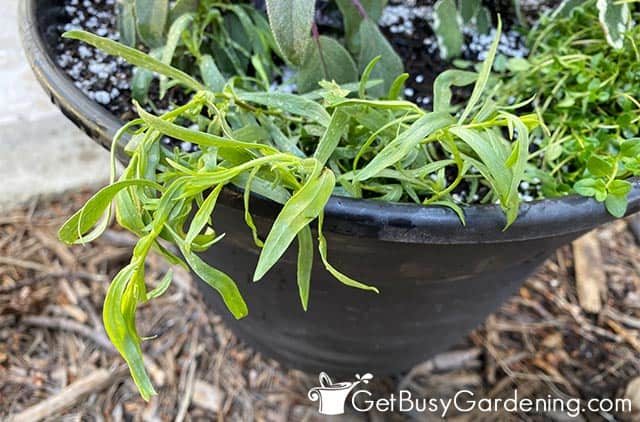
It will flourish in temps ranging from 60-80°F. Above that, it’s likely to sag or wilt in the heat.
Anything lower will cause growth to slow down, and freezing temperatures will trigger the plant to go dormant.
Fertilizer
There is usually little need to feed tarragon when it’s growing in a fertile soil.
But, if your plant is several years old, or in poor quality soil, the occasional feeding can encourage more vigorous growth.
Balanced liquid fertilizers like compost tea or fish emulsion can be applied 1-2 times in the spring. Or, use a slow-release granule once in mid spring to give it a boost.
Soil
Tarragon will thrive in well-draining, fertile soil with a pH of 6.5-7.5. You can check that easily with a probe tool.
It’s a good idea to amend poor quality soils to improve drainage and nutrient value. Compost or worm castings can help make heavy clay or sandy beds more suitable.
Pruning
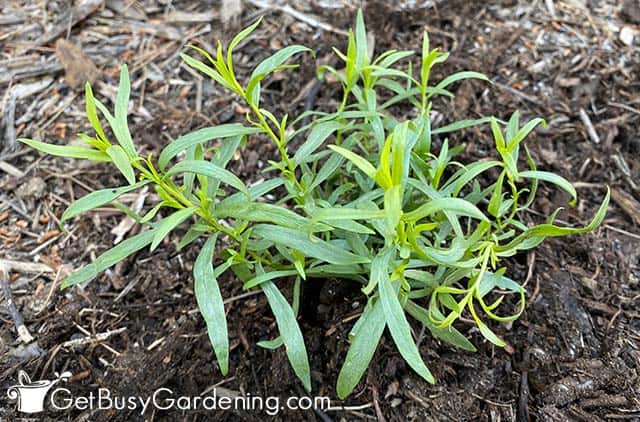
Frequent pruning throughout the season is the best way to promote vigorous growth and bushiness.
In late spring, use precision shears to cut the stems back to 6” to encourage branching and leaf development for summer.
In the fall, cold temperatures will cause the plant to go dormant. When the leaves have yellowed, cut it back to 3-4” high for the winter.
Pest Control
Tarragon’s pungent aroma is often a deterrent to many pests, but they can sometimes fall prey to spider mites.
If you see small yellow dots along the leaves or fine webbing on the plants, use neem oil or an insecticidal spray. I make my own by mixing 1 teaspoon of mild liquid soap per 1 liter of water.
Disease Control
The most common diseases that tarragon can suffer from are rust, root rot, and mildew.
If you begin to notice brown, white, or yellow spots on the leaves, it could be a sign of mildew or rust.
Treat with an organic fungicide to slow the spread, and water from the base so moisture and soil don’t splash up on the leaves.
Root rot is caused by overwatering or poor draining soils. Allow it to dry between drinks, and use a moisture gauge to take the guesswork out of it.
Tips For Harvesting Tarragon
You can begin harvesting tarragon as soon it is established and beginning to put on new growth.
Never take more than ⅓ of the plant at a time, and clip only new green stems to promote branching as it replenishes.
It bruises easily, so use sharp, clean snips or precision pruners to cut the stems, rather than trying to break them off.
Tarragon Propagation Tips
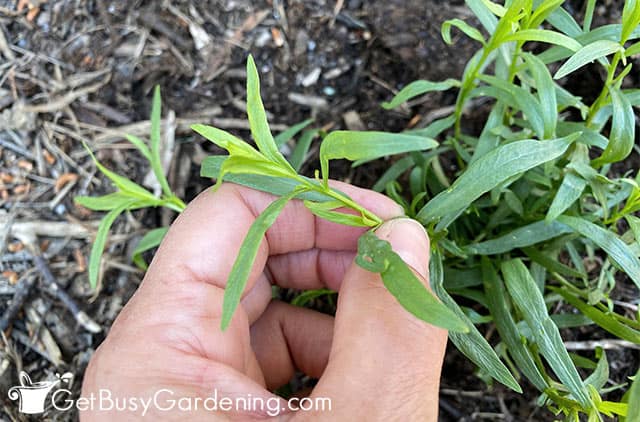
Tarragon can be started from seed, but it’s difficult, and takes a long time. The most reliable forms of propagation are by cuttings or root division.
Cuttings are best taken and rooted in late spring or early summer, once the stems have become less tender.
Division is ideally done in late winter or early spring, as soon as new growth begins.
It’s a good practice to divide established plants every 2-4 years to reinvigorate them and prevent woody growth.
Troubleshooting Common Problems
Growing tarragon is fairly hands-off once you get the hang of it, but you may run into one of these common issues as you learn how to care for it. My tips are here to help you get it back into good health.
Yellow Leaves
Yellow leaves can be caused by pests, inconsistent watering, root rot, temperature, or disease.
Use a moisture gauge to ensure you’re neither over or under watering, both of which can cause yellowing.
If the leaves are spotted, the culprit is likely spider mites or rust. Treat bugs with an organic insecticidal soap, or use a fungicide if you suspect disease.
Cold weather will trigger natural dormancy, which will yellow the leaves. This is normal and nothing to worry about.
Plant Is Bolting / Going To Seed
Summer heat will trigger flowering, or bolting. It’s a normal part of the life cycle, and doesn’t change the flavor.
Providing shade in the afternoon in warm temperatures will help slow this down.
You can cut back flower stems before they bloom to refocus the plants energy on leaf production.
Leaves Turning Brown
Browning leaves are usually caused by poor drainage, improper watering, or sunburn.
Ensure the soil is well-draining to prevent overwatering, and allow it to dry 2″ down before adding more. But never let it become completely bone dry.
Provide it with 6+ hours of sunlight a day, but avoid direct sun in heat above 80°F to prevent scorching.
Tarragon Not Growing
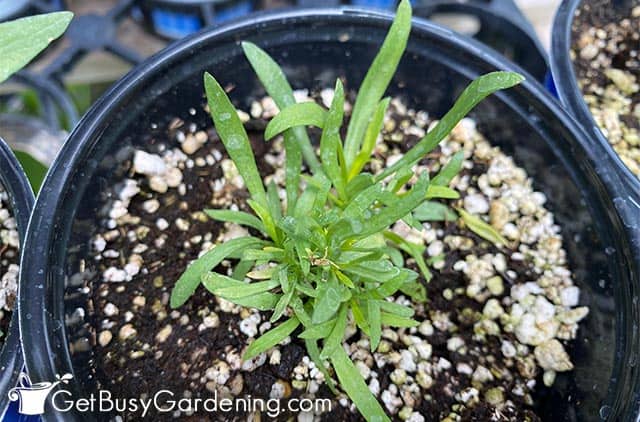
If your tarragon is simply not growing, it’s an indication that the environment isn’t ideal.
It needs temperatures above freezing but below 80°F, at least 6 hours of sun, moderate water, and well draining, fertile soil in order to flourish.
FAQs About Growing Tarragon
Here I’ve answered some of the most commonly asked questions about growing tarragon. If yours isn’t listed, please ask it in the comments sections below.
Is it easy to grow tarragon?
It is easy to grow tarragon once you’ve mastered how to care for it. Avoid excessive heat, water consistently once established, and ensure good drainage to help it thrive.
How long does it take to grow tarragon?
It takes about 90 days to grow tarragon to its full maturity from seed to harvest, or shorter if you started with small plants.
Where does tarragon grow best?
Tarragon grows best in zones 4-8, with 6+ hours of sun, protection from afternoon heat, and well-draining, fertile soil.
Does tarragon grow back each year?
Yes, tarragon is a perennial that will grow back every year in gardening zones 4-8.
Does tarragon need full sun?
No, tarragon does not need full sun, but it can thrive there as long as temperatures don’t exceed 80°F, which will cause wilting and sunburn.
Now that you understand how to provide the best care, growing tarragon is something that even a beginner can tackle. Use these tips to get it established and healthy in your garden.

Learn how to create a gorgeous and highly productive veggie garden with my book Vertical Vegetables. It will show you all you need to know about growing any type of crop (including herbs!) vertically. Order your copy today!
Learn more about my Vertical Vegetables book here.
More About Herb Gardening
- How To Grow Thyme
- How To Grow Marjoram
- How To Grow Stevia
- How To Grow Ginger Root
- How To Grow Chamomile
- How To Grow Sage
Share your tips for growing tarragon in the comments section below.

lateBoomer64 says
I am trying again to grow tarragon in a window box in my kitchen, which was great once I got the hang of it. But a year ago I did something wrong and it did not come back like it had previously in the spring. I have new plants now and know not to leave wet feet or to overwater but the leaves keep curling. What causes the curling? I’m using organic potting soil but should probably check pH. Any ideas? Thanks!
Amy Andrychowicz says
Yes, it’s always a good idea to check the soil pH just in case. When the leaves on tarragon plants start curling, it could be caused by improper watering (too much or too little), low humidity, heat stress, or bugs. First check the soil to make sure it’s not bone dry or wet. It should dry slightly between waterings, and never be soggy or completely dried out. If you live in a very dry/hot climate, then try protecting your plant from shade in the hottest part of the afternoon to ease the heat stress. Also inspect the leaves to make sure they don’t have bugs.
Botanicalbalconist says
I read a lot of advice about growing tarragon online, and yours was not only well detailed and organized, but easy to read and understand. Thanks for all the great info! I’m still going to attempt from seed 😝
Amy Andrychowicz says
You’re welcome, thanks so much for the nice comment! Heck yes, good for you to brave starting the seeds! It’s fun to experiment, so I say go for it. You never know what you’ll end up with. 🙂