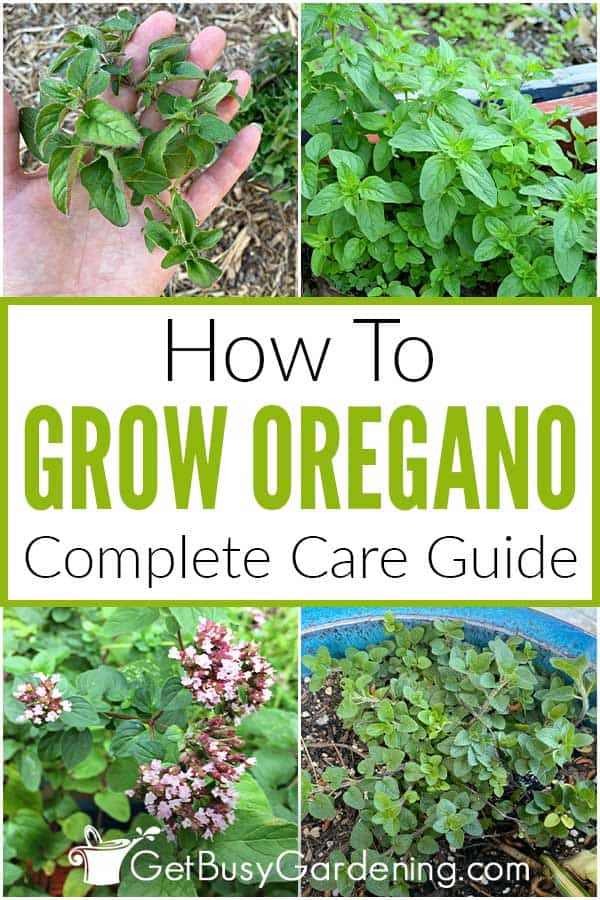
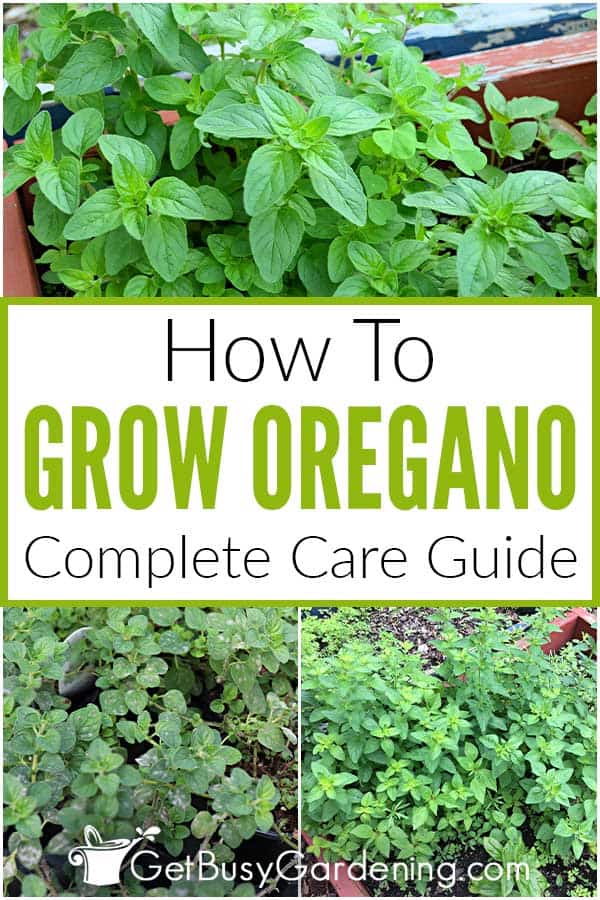
Growing oregano is easier than most people think, and require very little care. In this post, I’ll show you everything you need to know in order to have your biggest and best crop yet!
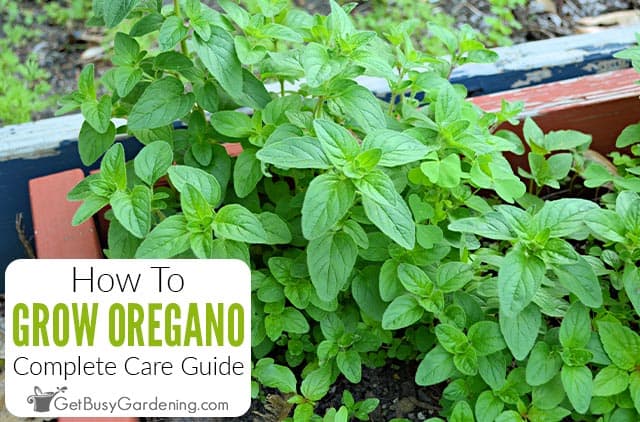

Oregano is a delicious, useful, and a surprisingly low maintenance herb to grow at home.
Once you understand how to care for it, even a beginner can get it established, and keep it going for years in their garden.
This guide is designed to help you discover exactly what it takes to grow oregano.
You’ll find tons of information, including soil, sun, water, and fertilizer requirements, tips on harvesting, pest control, and much more.
Oregano Plant Care Overview
| Scientific name: | Origanum vulgare |
| Classification: | Herb |
| Common names: | Oregano |
| Hardiness: | Zones 4-10 |
| Temperature: | 60-80°F |
| Flowers: | Purple, pink, or white, blooms in late summer |
| Light: | Full sun to partial shade |
| Water: | Allow soil to dry between waterings, do not overwater |
| Humidity: | Average |
| Fertilizer: | General purpose plant food in spring and summer |
| Soil: | Fast-draining, fertile soil |
| Common pests: | Spider mites, aphids |
Information About Oregano
Oregano (Origanum vulgare) is a fragrant and pungent herb. It’s from the mint, or Lamiaceae, family that includes many others, like lavender, thyme, and rosemary.
It’s native to the Mediterranean and Western Asia, but is now cultivated all over the world for medicinal and culinary uses.
The sprawling, hardy growth and drought tolerance makes it popular as a low-maintenance ground cover.
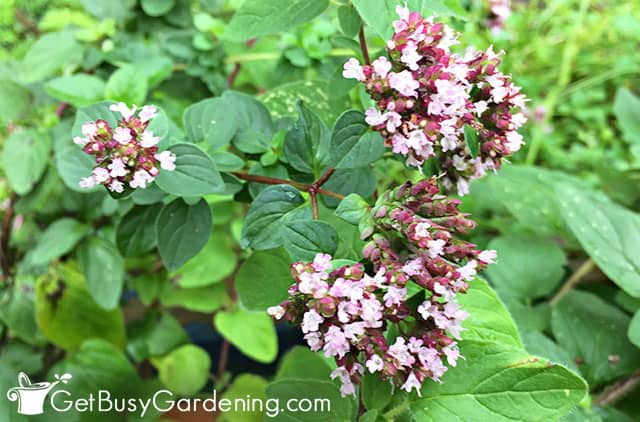
It also attracts beneficial insects and pollinators with the purple, pink, or white flowers that bloom in late summer.
The green leaves can be fuzzy or smooth, and can grow up to 2’ tall.
Many new gardeners commonly mistake oregano for marjoram. Though they look very similar and are from the same family, they are in fact two different herbs.
Different Types Of Oregano
There are dozens of varieties of oregano, and each feature a difference in flavor, ranging from earthy to spicy. They can also differ subtly in texture, flower color, and leaf appearance.
The type you grow may depend on your tastes, climate, and intended use. Thankfully, they can all be cared for in the same way. Here are a few popular ones.
- Greek oregano – This is one of the most common varieties. Its leaves are dark green, earthy, and spicy, and it produces white flowers.
- Syrian oregano – The grayish-green oval leaves of this type grow on fuzzy stems and pack a spicy punch of flavor.
- Italian oregano – The small pink flowers and large, bright green heart-shaped leaves of this variety look stunning and taste great.
- Golden oregano – This one has purple flowers and gorgeous yellow oval-shaped leaves that smell sweet but have a spicy flavor.
Hardiness
The hardiness of oregano can vary by type, but most are perennials in growing zones 5-10. Some varieties can survive down to zone 4.
Mulching, frost protection, or relocating it indoors for the winter can keep it going in colder climates.
How Does Oregano Grow?
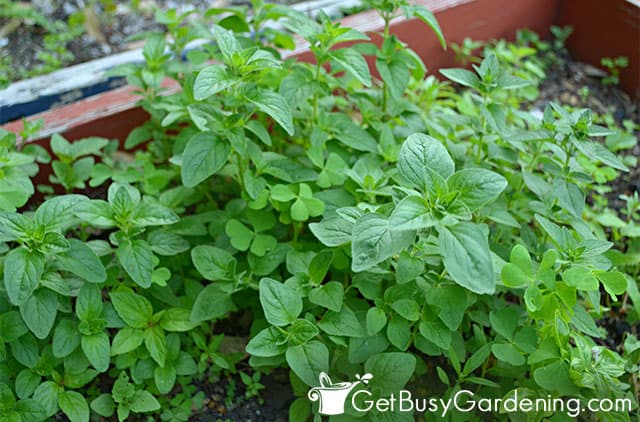
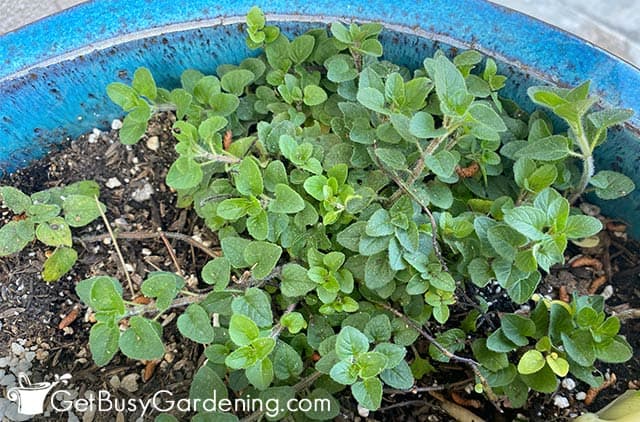
Oregano is made up of woody, trailing stems that grow small, repeating clusters of four leaves in a rosette or flower shape.
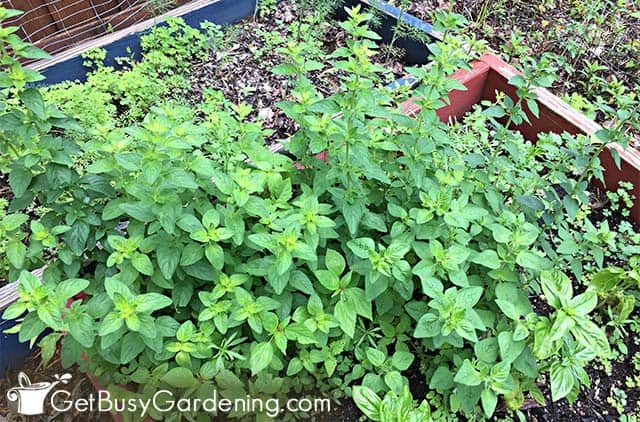
Its tendency to drape makes it popular in pots or raised beds, where it can create a lovely cascade.
How To Grow Oregano
Before we get into how to care for it, first we should discuss when and where to grow oregano. Choosing the right location is key to enjoying its long life.
Where To Grow Oregano
The best place to grow oregano is in a sunny location with enough space to accommodate its spreading habit.
It does well in containers, as edging along paths, or as a pretty and highly fragrant ground cover.
No matter which location you choose, make sure it’s in well-draining soil, or use a pot that has holes in the bottom to prevent rot.
When To Plant Oregano
The best time to plant oregano is when all chance of frost has passed in the spring.
Aim for overnight temperatures above 40°F and daytime temps around 60°F. Or, check that the ground is 70°F using a soil thermometer before planting.
Oregano Plant Care & Growing Instructions
Now that you know the best time and place to grow it, it’s time to talk about oregano plant care. Providing an ideal environment can help it thrive in your garden for years.
Sunlight
Oregano grows best in full sun, but will also tolerate partial shade. In very warm climates, it will benefit from shade during the afternoon.
Some protection from heat during those parts of the day can help deter flowering a bit longer, and prevent it from burning. Use a shade cloth to shield it if necessary.
It can grow in as little as 4 hours of sunlight, but with 6 or more you’ll be rewarded with a fuller, more rapidly spreading plant.
Water
Oregano is naturally drought resistant and doesn’t like wet feet. Overwatering is a common cause of yellowing and other issues like rot.
Make sure it never sits in soggy or wet soil. Instead, wait until it has dried out at least 2″ down before giving it a deep, thorough drink.
If you struggle with this, I recommend using a moisture meter to help you get it right every time.
Temperature
The ideal temperature for growing oregano is between 60-80°F. It can handle lows down to 40°F, but growth will be much slower.
When summer heat kicks in, the plant will turn its attention to flowering, or setting seed.
Providing shade during the afternoon when temperatures are above 80°F can help prolong their season.
Fertilizer
Oregano doesn’t require much fertilizer to do well. But it will benefit from the occasional feeding to encourage fuller, faster growth, especially if it’s been in the same soil for many years.
Give it a half strength dose of natural, balanced liquid fertilizer like compost tea or fish emulsion once a month during the spring and summer.
Or you can use an organic slow-release granule 1-2 times a year if that’s easier for you.
Soil
It isn’t picky about soil, and can handle a wide range of environments. As long as the soil drains well, oregano can grow in sandy, clay, or coarse mixes, and handle pH levels between 5.5 to 8.0.
But its most ideal environment would be a very rich and well-draining medium with a pH between 6.5-7.0 on your probe meter.
Amending with compost or worm castings is a good way to increase drainage and improve the fertility of poor quality soil.
Pruning
Routine pruning will encourage bushier growth and prevent legginess.
Clip off sections of stems with a clean pair of precision pruners as soon as they reach 4” in height to create a fuller look.
It’s also a good idea to give it a trim in early spring. Remove any dead branches to reinvigorate it for the season.
Cut off the flower stems after they fade in late summer to rejuvenate the plant, and give you an even better crop.
Pest Control
Oregano doesn’t suffer from many pests. Instead, it’s often used as a companion plant to deter bugs like cabbage moths and cucumber beetles. It also attracts beneficial insects like lacewings and bees.
But they can occasionally suffer from spider mites or aphids. Insecticidal soap is effective, and can be made easily by combining 1 teaspoon of mild liquid soap with 1 liter of water.
Neem oil may also be helpful to prevent stubborn, chronic, or recurring infestations.
Disease Control
There are a few diseases that can affect oregano, like root rot, mint rust, and powdery mildew.
To prevent these issues, give them plenty of airflow, and always follow good watering practices.
Never leave it sitting in soggy soil, and water at the base to avoid moisture retention on the leaves.
You can also use a natural fungicide, or trim away affected leaves to stop mildew and rust from spreading.
Tips For Harvesting Oregano
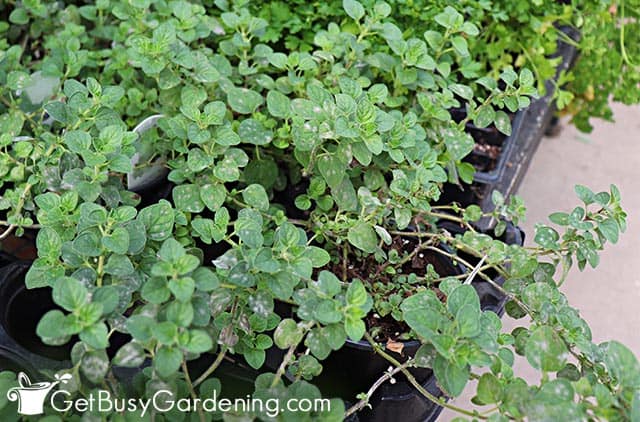
You can harvest oregano as soon as it grows to 4” in height. Picking it regularly is a good way to encourage even more leaves.
Simply cut the desired amount with a sharp pair of pruners or micro snips. You can do this as needed throughout the spring and summer, but never take more than a third of the plant at a time.
Oregano Propagation Tips
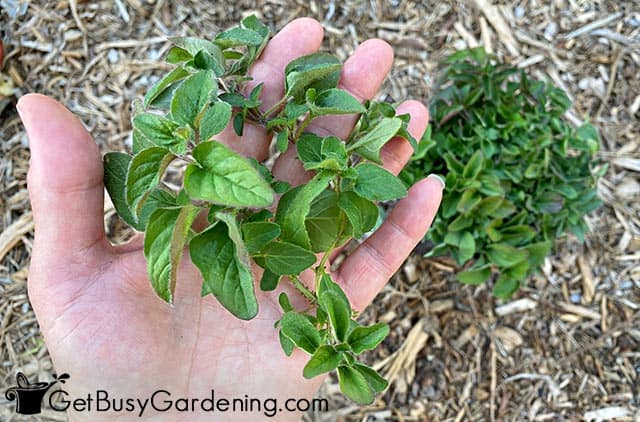
Oregano can be propagated easily from seed, cuttings, or root division.
Seeds are fairly easy to grow, but it takes much longer to get a full sized plant. Cuttings and division are great for quickly multiplying and sharing one that you already have.
No matter which method you choose, aim for early spring to tackle it.
Troubleshooting Common Problems
Oregano is pretty easy to grow and care for. But if you run into one of these more common issues, my tips will help get it back in a healthy condition.
Oregano Turning Yellow
Some of the most common causes for a yellowing oregano plant are inconsistent watering, pests, lack of sunlight, or nitrogen deficiencies.
Let the soil dry out between deep, thorough drinks, but avoid leaving it dry for prolonged periods.
Inspect it for pests and treat them immediately if you spot any. Otherwise use a nitrogen-heavy fertilizer to help replenish the soil.
Leaves Turning Brown
The most common reason oregano will turn brown is rot caused by excess humidity, overwatering, or poor drainage. But it can also be from lack of water.
If left with wet feet for too long, it will begin to experience root rot, which will cause the leaves to turn yellow and then brown. In that case, allow the soil to dry more between drinks.
Otherwise, if the it is completely dry, then ensure you are giving it deep drinks, rather than shallow ones.
Oregano Not Growing
If your oregano seems to be stuck and no longer growing, it could be from cold temperatures, lack of sunlight, or over-harvesting.
It does best in the 60-80°F range, and may slow or stall if temperatures drop much below that.
When harvesting, avoid taking more than a third of the total volume at a time to allow it to replenish.
Plant Is Flowering / Bolting
Bolting, or flowering, is a natural part of oreganos yearly life cycle, and nothing to be concerned about.
You can’t stop it from happening, but if you’d like to try to delay it, pinch off any flowers you see forming. Also, providing shade during the hottest part of the day can help to slow bolting.
FAQs About Growing Oregano
Here I’ve answered some of the most commonly asked questions about growing oregano. If yours isn’t on the list, please add it to the comments section below.
Is oregano easy to grow?
Oregano is easy to grow and very low maintenance when established. Give it well-draining soil, plenty of sun, and occasional deep waterings to keep it thriving.
How long does it take for oregano to grow?
It doesn’t take oregano very long to grow in the right environment. From seed to harvest, on average it reaches full maturity between 70-90 days.
Does oregano come back every year?
Oregano does come back every year if you live in growing zones 5-10. But some varieties are hardy down to zone 4.
Where does oregano grow best?
Oregano grows best in a location where it receives 6+ hours of sunlight, and has plenty of good drainage.
Does oregano need sun or shade?
Oregano needs sun to partial shade, with ideally 4-6 hours of direct sunlight. Its flavor will improve with more direct exposure. But partial shade during the afternoon in very warm climates can help prevent flowering for a bit longer.
Does oregano keep growing after cutting?
Yes, oregano does keep growing after cutting, as long as you don’t take more than a third of the plant at a time. Routine trimming is a good way to encourage bushier growth.
Oregano is fragrant, delicious, and beautiful to grow in your garden. These care tips will help you learn how to grow it like a pro, and enjoy it year after year.

If you want to create a gorgeous and highly productive veggie garden, then you need a copy of my book Vertical Vegetables. It will show you all you need to know about growing any type of crop (including herbs!) vertically. Order your copy today!
Learn more about my Vertical Vegetables book here.
More About Herb Gardening
- 13 Best Herbs To Grow Inside
- 11 Easy Herbs To Grow In Your Garden
- How To Grow Tarragon
- How To Grow Parsley
- How To Grow Sage
- How To Grow Dill
- How To Grow Thyme
Share your tips for growing oregano in the comments section below.

Leave a Reply