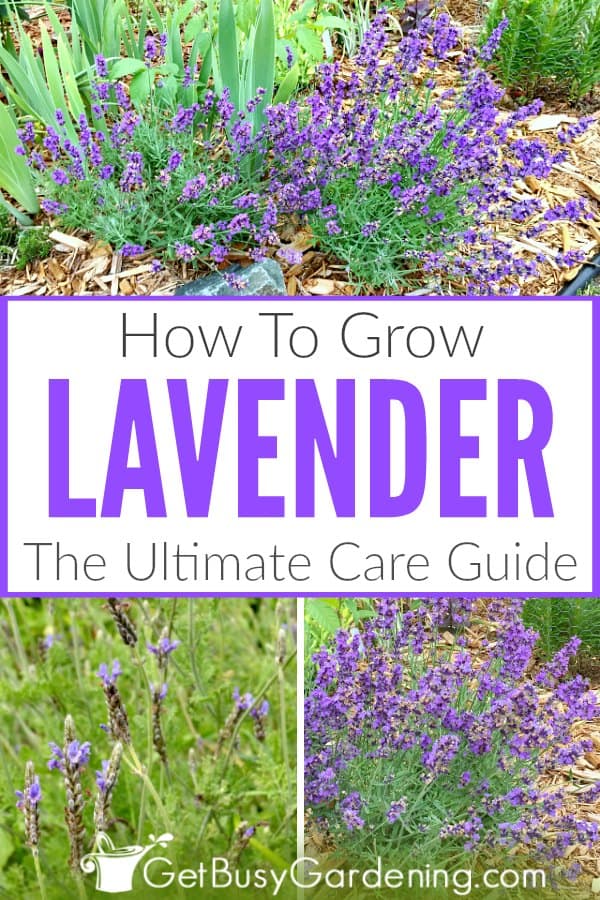
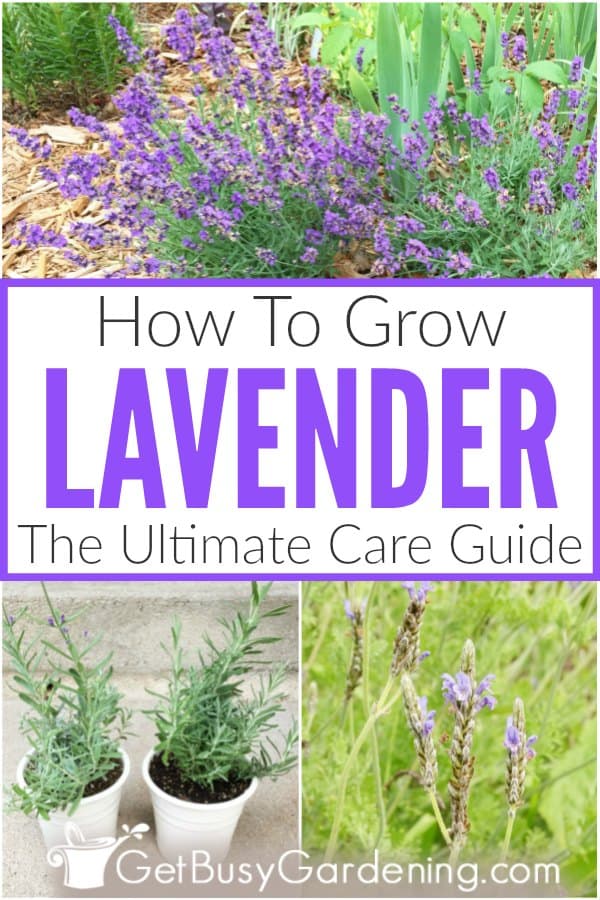
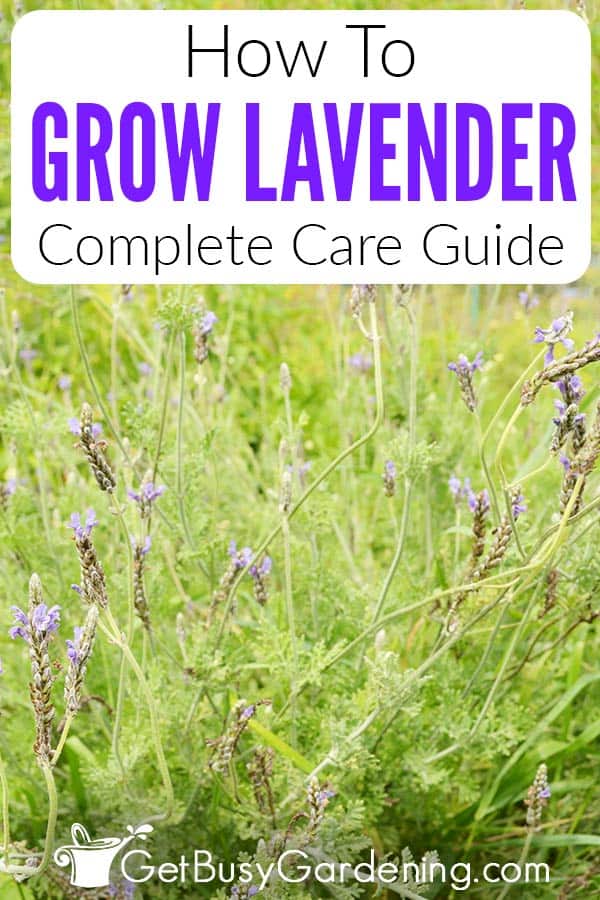
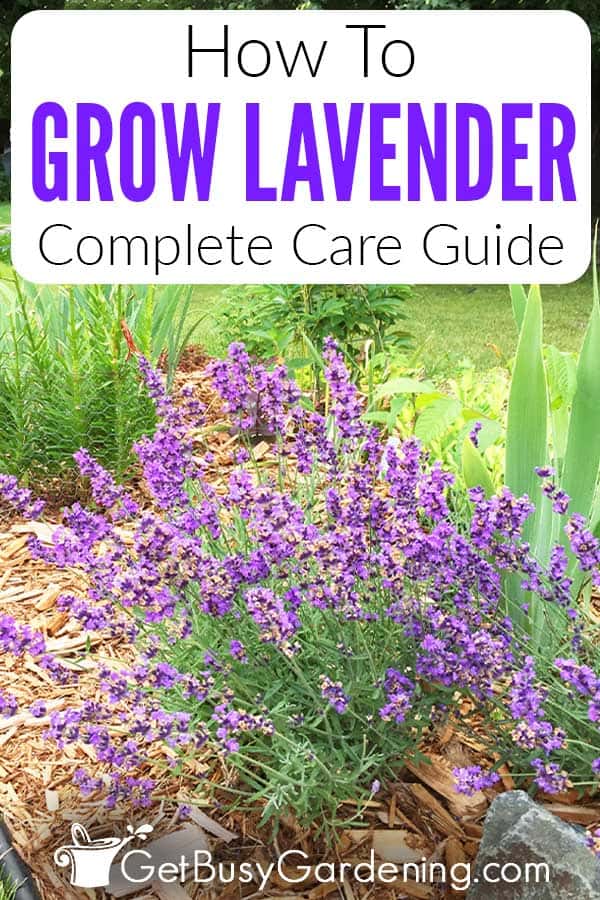
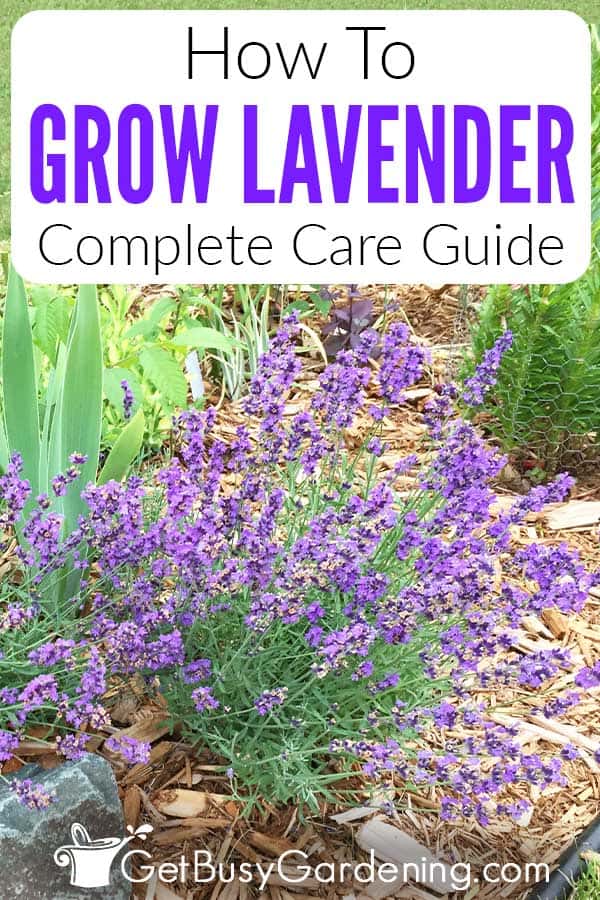
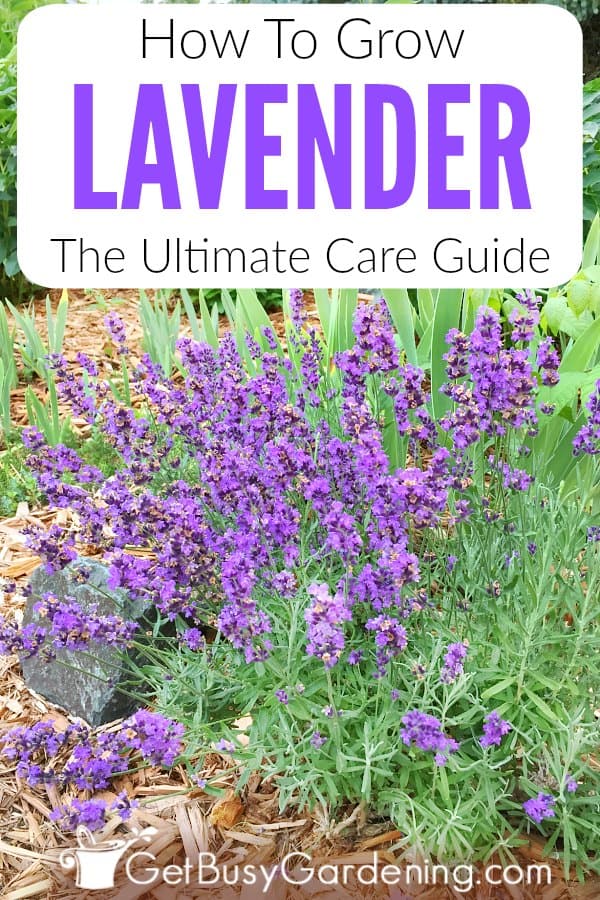
Lavender is a very popular herb that is well known for the wonderful smelling flowers, and the calming effect the oils. Growing lavender at home is pretty easy, and the plants don’t require much maintenance. This comprehensive lavender plant care guide will show you exactly how to care for lavender plants outdoors and in pots.
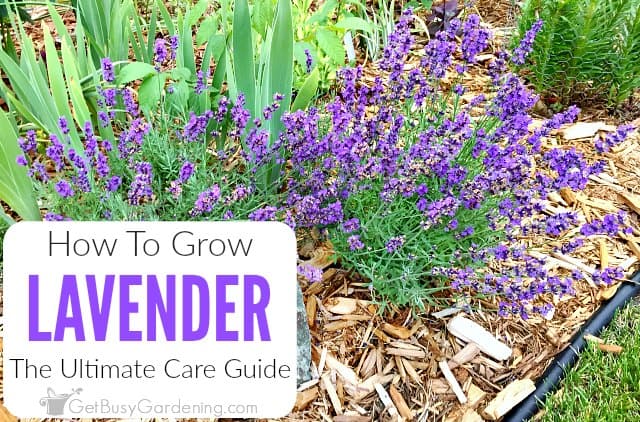

Lavender needs no introduction, it’s definitely one of the most popular herbs on the planet. Prized for its aromatic flowers that contain oils commonly used to make essential oils, the list of lavender plant uses is practically infinite.
Fresh lavender can be used straight from the garden in many recipes or to make tea, or it can be dried for later use.
Dried lavender buds last a long time, and can be used for cooking and crafting, or for making personal care products like candles, soaps and lotions.
In the garden, lavender flowers are highly attractive to bees and other pollinators, and can to deter pests, so it’s very beneficial. And guess what… it’s surprisingly easy to grow your own lavender! Let me show you how.
Lavender Plant Care Overview
| Scientific name: | Lavandula |
| Classification: | Herb |
| Common names: | Lavender |
| Hardiness: | Zones 4-10 (depending on variety) |
| Temperature: | 65-85°F |
| Flowers: | White, purple, or pink, blooms repeatedly |
| Light: | Full sun |
| Water: | Allow soil to dry between waterings, do not overwater |
| Humidity: | Little to none |
| Fertilizer: | General purpose plant food in spring and summer |
| Soil: | Fast-draining, sandy soil |
| Common pests: | None |
Information About Lavender
The good news is that taking care of lavender plants is pretty darn easy, and they require very little maintenance.
But just like any plant, they will grow and bloom their best when given the right growing conditions, just as I have detailed in this lavender plant care guide.
Different Types Of Lavender Plants
In order to be successful, it’s important to choose the best lavender to grow in your climate. There are a few different kinds of lavender plants, and the hardiness zones are different for each.
If you live in a cold climate like I do, then you should choose one of the hardiest lavender plant varieties. The others are best suited for warmer climates, for growing as annuals, or brought indoors over the winter.
Here are details about the three most common types…
- English lavender – If you’re looking for cold hardy lavender, then you want the English variety. The hardiness is listed at zones 5-8. I have been growing it for years in my zone 4b gardens in Minnesota, so you can push the zone a little there. However it doesn’t grow well in hot climates. English lavender plants are also the best type to grow if you want to harvest the flowers for the best oils and fragrance.
- French lavender – French lavender is not cold hardy, and will only survive outdoors in warm climates. If you live in a zone colder than zone 8, you’ll either need to grow it as an annual plant, or try overwintering it indoors. French lavender flowers earlier than English lavender varieties, so it can be nice to grow them together if you want a longer harvest.
- Spanish lavender – Also not suitable for cold climates, Spanish lavender is best for growing in zones 9 or higher. So, like French lavender, unless you live somewhere warm, then it should be grown as either an annual bedding plant, or overwintered in containers indoors.
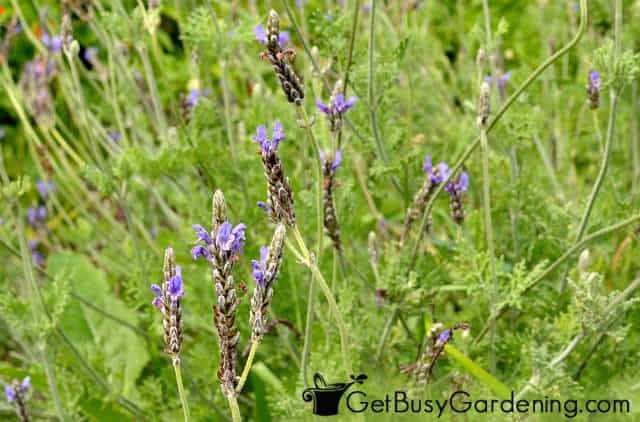
How Many Times A Year Does Lavender Bloom?
The number of times a year lavender blooms depends on the variety you have. English lavender usually starts blooming in June, and continues through fall.
French and Spanish types blooms in the spring, and both types produce flowers all throughout fall as well.
How to Grow Lavender
Though the hardiness varies for each of the different varieties of lavender plants, their basic growing requirements are the same. So you can follow the lavender plant care instructions below for all lavender plant types.
Where To Plant Lavender
The best place to plant lavender in your garden is in a location that gets full sun and has well draining soil. Be sure that the spot you choose doesn’t get too wet.
Lavender is a great plant for a sunny, dry area of your yard. So, if you have a trouble spot that doesn’t get much water and you have trouble growing other plants there, try planting lavender.
When To Plant Lavender
The best time to plant lavender in your garden is after the soil starts to warm up in the spring, but before the heat of summer kicks in.
If you live in a a mild climate, you could plant them in the fall. But if you’re in a cold climate like me, then brand new plants may not survive the winter.
If you’re planting lavender in pots, then you don’t have to worry too much about the timing. I would avoid transplanting lavender during the extreme heat of summer though, otherwise they may not recover.
How To Care For Lavender Indoors
Lavender plant care indoors is a bit more difficult than it is outdoors. If you want to try growing lavender indoors, be sure to give it plenty of light, and take care not to overwater it – especially during the winter.
Lavender plants need plenty of light, so you should either grow it in a south facing window, or add a grow light. Do not fertilize plants growing indoors, especially during the winter.
When growing lavender inside, be extra careful about watering. Allow the soil to dry out more indoors than you did outside.
You could also try overwintering lavender in a garage or basement, and allow the plants to naturally go dormant through the winter.
Put the plant in a cool, dark location to trigger dormancy. Allow the soil to dry almost completely during dormancy, but don’t allow it to stay completely dry for too long.
Put the plant outside in late winter/early spring and slowly introduce it back to it’s full sun location. Here’s how to bring a plant out of dormancy without killing it.
Growing Lavender In Containers
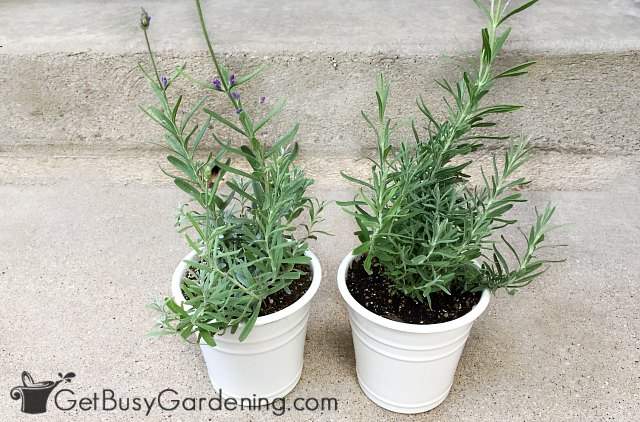
If your soil is too wet or heavy, then try planting lavender in containers instead of in the garden. Caring for lavender in pots isn’t much different than growing it in the garden.
Just be sure that the container you choose has drainage holes in the bottom. Also, be sure to use a fast draining potting soil so the plants don’t get overwatered.
Related Post: Lavender Cookies Recipe (Using Dried Or Fresh Buds)
Lavender Plant Care & Growing Instructions
Now that you know when and where to grow lavender, let’s talk in detail about how to give them the proper care. It’s important to create an ideal environment in order for them to thrive.
Lavender Water Requirements
Do you know the most common cause of death for a lavender plant? Watering it too much. So less is more when it comes to watering lavender plants.
If you learn nothing else from this lavender plant care guide, be sure to remember this part!
The less is more rule is especially true for potted lavender plants, so it’s super important to make sure the container you grow them in has adequate drainage.
When watering lavender in pots, be sure to allow the water to completely drain out of the drainage holes, and never let it sit in a tray of water.
Lavender is a drought tolerant plant that prefers the soil to stay on the dry side, but don’t allow it to dry out completely.
If you’re unsure of how often to water lavender plants, it’s best to give them a good deep drink of water, then allow the soil to dry out before watering again.
I recommend getting a soil moisture gauge to help make sure you’re giving your plant the right amount of water.
Lavender Sun Requirements
For best results, be sure to plant lavender in a full sun location. It will tolerate part shade, especially in hot climates, but may not bloom as well with less sunlight.
If you’re not sure how much sun your garden gets during the day, learn how to determine garden sun exposure.
Best Soil For Lavender Plants
Using the right type of soil is another extremely important part of proper lavender plant care. When it comes to the best soil for growing lavender plants, the most important thing to keep in mind is adequate drainage.
They absolutely will not tolerate wet feet, so it’s very important to ensure the soil doesn’t hold water for very long.
Lavender thrives in poor quality soil, as long as it’s fast draining. So, they will grow much better in sandy soil than they will in heavy clay soils.
While preparing soil for planting lavender, amend clay soil with sand and compost to give it better drainage.
They also prefer alkaline/neutral soil, and can suffer in highly acidic soils. Add garden lime to neutralize your soil if it’s highly acidic.
If you don’t know what your lavender soil pH is, you can use a pH probe or a soil pH test kit to easily check it. Learn more about how to test your garden soil.
Fast draining soil is also the best potting soil for lavender plants growing in pots. To make it easy, you can use a commercial succulent potting mix for lavender.
Otherwise, you could use a general purpose potting soil, and mix in sand and perlite or pumice for extra drainage.
Best Fertilizer For Lavender Plants
I have some great news for you… you don’t have to know how to fertilize lavender plants because they don’t need it! You don’t have to worry about using fertilizer for lavender in pots or in the garden. Woohoo!
If your garden soil is really bad, then you could side dress your plants with compost every year or so as part of your regular lavender plant care routine.
But using compost for lavender isn’t even required. My plants have been thriving for years on neglect, and I have never given them any fertilizer or compost.
Lavender Pest Control Tips
One of the best things about growing lavender (and herbs in general) is that you don’t have to worry about bugs or insect pests attacking your plants.
In fact, the strong smelling oils in the plant can actually help to deter pests from the garden.
Lavender is also deer and rabbit resistant, which is even better news for those of us who have to fight those furry garden pests!
Since the strong smell can repel pests from the garden, they make an excellent border plant to help protect others.
Tips For Pruning Lavender Plants
You’ll definitely want to add pruning to your lavender plant care checklist. Regular pruning will keep your plants full and looking their best, and will also give you the best harvest.
The main thing to avoid when trimming lavender plants is over pruning. Never cut into the woody stems below new growth because they won’t regrow.
Prune your plants right after new growth has started in early spring, and then again in summer once the flowers start to fade.
Summer pruning isn’t required, but you’ll usually get a second harvest if you do it. Learn exactly how to prune lavender plants step-by-step.
Tips For Harvesting Lavender Flowers
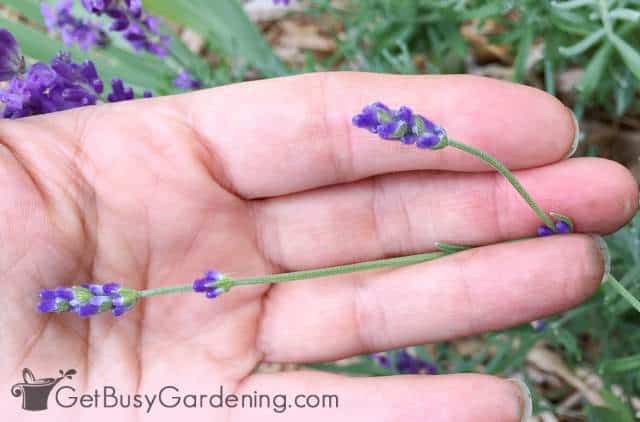
The best time to cut lavender flowers is before the buds start to open, that is when the oils are the most potent. Harvest lavender in the morning for more concentrated oils.
If you waited too long to harvest, and the flowers have already opened, don’t worry.
You can still cut the flowers and use them in your recipes and crafts, the oils just won’t be as potent. Learn exactly how to harvest lavender from your garden here.
How To Dry Lavender Flowers
If you want dried lavender flowers for crafting or to save for later, it’s easy to dry them.
After cutting lavender flowers, you can simply bundle the entire bunch, tie the stems at the base, and hang them upside.
Be sure to put the bundles in a cool, dry location to allow them to dry completely.
Or you can use a food dehydrator to get the job done much faster (which I always do because it makes the whole house smell amazing!). Get step-by-step instructions for drying lavender here.
Tips For Propagating Lavender Plants
Lavender plant propagation can be done either by rooting stem cuttings or by growing the seeds. If several young plants are growing in a grouping, then you can try splitting them up.
But since they are a shrub, mature lavender plants can’t be divided like many other types of perennials. So below I’ll stick to talking about how to grow lavender from cuttings or from seed.
Growing Lavender From Cuttings
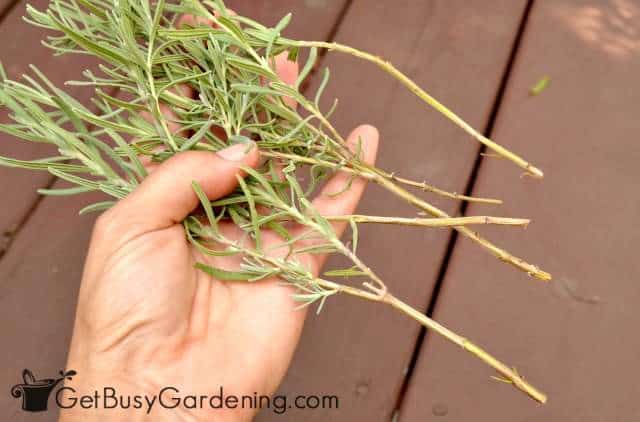
To make it easier to grow lavender from cuttings, use stems that are several inches long and have 3-5 leaf nodes at the base. Lavender plant cuttings can be rooted in water or in soil.
To root the cuttings in soil, dip the stem into rooting hormone before placing it in the soil. Keep the air around the cuttings humid to encourage root growth.
It can take 3-6 weeks for lavender cuttings to root, so be patient. Adding bottom heat will help to speed things up.
For more details, get my step-by-step instructions for how to propagate lavender plants from cuttings.
Growing Lavender Seeds
Lavender can be grown from seed, but they are very slow to germinate, so you need to have patience.
If you plan to try, just keep in mind that it can take a few years for the plants to grow large enough to flower. Get the step by step instructions for how to plant the seeds here.
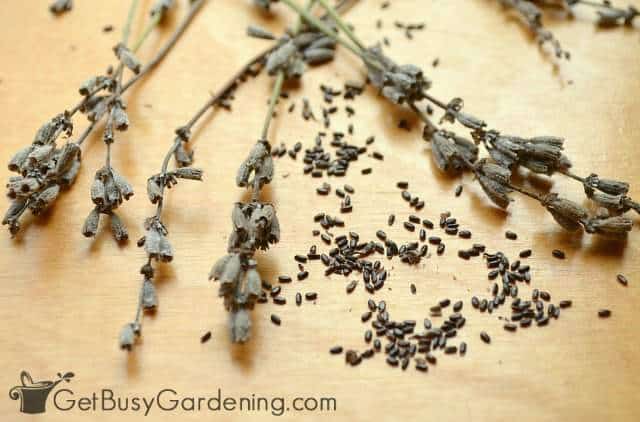
You can also collect them from you garden to use for growing new plants, which is always fun. That way you will have plenty to sow and experiment with! Learn how to how to collect lavender seeds from your garden.
Caring For Lavender Plants In Winter
As long as you chose hardy lavender plants that are suitable to your growing zone, then you don’t have to give them any special winter care.
I have been growing hardy English lavender plants in my zone 4b gardens for years, and have never given them any special care in winter.
But, if you live in colder climate, or you’re worried if your lavender will survive winter, then you could try protecting the plant.
If you’re planning on preparing lavender for winter, you should give them some extra protection from the dry winter wind.
You can protect plants using burlap as a wind break or lightly mulching them. Just don’t mulch too heavily, and be sure to remove any winter protection in early spring once the harsh cold has subsided to ensure the plant doesn’t get too much moisture during the spring thaw.
But, just like with any plant, it can be really difficult to push lavender growing zones too much. So, the best way to ensure your plant will survive in harsh winter climates is to overwinter it indoors.
Troubleshooting Problems Growing Lavender
Lavender is easy to care for and doesn’t have many problems. If you’re having problems growing lavender, then there’s something wrong with the growing conditions. Here are a few common lavender plant care problems, and how to fix them.
Lavender Not Blooming
If your lavender plants not flowering, then it’s likely either not getting enough sunlight, or it needs to be pruned.
Providing full sun and pruning or deadheading the flowers are usually the best methods for getting lavender to bloom. However, lack of blooms could also be a sign that you over pruned.
Plant Not Growing
Lavender is a fairly slow growing plant, especially if you started it from seed or propagated the cuttings. So sometimes you just have to be patient.
However, if an established plant suddenly stopped growing well, then there may be a problem with the soil.
First check to make sure it’s not being overwatered, and also that it’s getting enough water. Then test the soil to see if the pH is too acidic for the plant.
The Plant Is Dying
As I said earlier in this post, the most common cause of lavender plant death is overwatering. So, if your lavender is dying, check the soil moisture level first.
If you’re absolutely certain the plant is being watered correctly, then it may either be suffering from winter damage, or the plant is getting old and needs replacing.
Where To Buy Lavender Plants
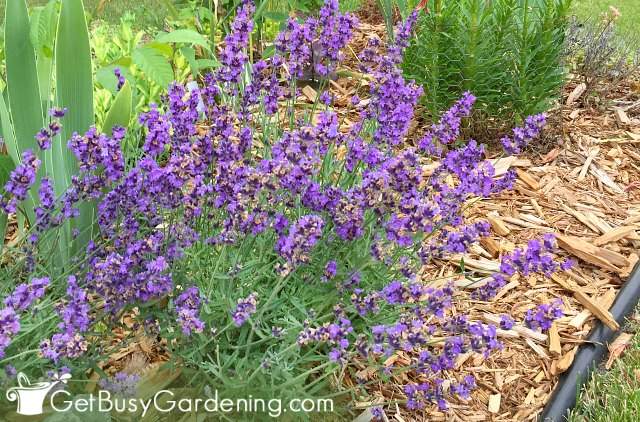
If you’re wondering where to purchase lavender plants, you should be able to find potted lavender plants for sale at your local garden center.
They are most commonly sold during the spring and summer months. Be sure to check the variety before purchasing if you want something hardy to your growing zone.
You can also talk to your local garden center to see if you can special order lavender plants if they don’t carry any.
Of course, you can always buy lavender plants online too, which is probably where you’ll find the best variety. And, you can always buy lavender seeds online too.
Growing lavender is a must for me! Since the care is so easy, they require very little maintenance, and you can easily grow them in pots or in the garden… well, there’s no reason NOT to grow lavender!
More Posts About Growing Herbs
- How To Grow Chamomile At Home
- How To Grow Stevia At Home
- How To Grow Ginger Root Indoors Or Outside
- 15 Perennial Herbs To Grow In Your Garden
- How To Fertilize Herbs In The Organic Garden
- How To Grow Rosemary: The Ultimate Guide
Share your lavender plant care tips in the comments section below.

Benita says
We had a few freezes this past month. I have 2 large outdoor pots of lavender that I’m not seeing any new growth. It’s in the end of April and I’m getting worried. Anything I can do? The soil is very wet as we just had a good rain. I sure hate to loss these. Thanks for any suggestions.
Amy Andrychowicz says
Lavender is very slow to start growing in the spring, especially with late freezes, so give it time. Some years mine doesn’t start sowing signs of life until mid-May (zone 4b). The best you can do is wait at least another month to see if there’s any new growth. If they end up not surviving, the container might be holding too much water, so make sure the soil is a very good draining mix for growing any future lavender plants.
Andy says
It is January should I prune my lavender. I keep it in the garage near the light from a window for the winter.
Amy Andrychowicz says
No, wait until fresh growth starts appearing in the spring. Here’s my guide for when and how to prune lavender that will give you all the details.
Virginia Mendez says
Thank you! I am guilty of overwatering and planting my lavender and planting it in potting soil with fertilizer1
Amy Andrychowicz says
You’re welcome!
Lorraine says
I didn’t trim my lavender this year. Now fall has arrived can I trim it now or should I wait for spring?
Amy Andrychowicz says
Wait to prune your lavender plants until you see fresh new growth in the spring.
Margaret Sandlin says
I received a Lavender plant from a gift of the month site. It was doing great. I noticed it looked a little dry. Checked with my moisture stick and it was OK then I noticed the webs at the top of each stem. I could not see and bugs/spiders. Removed it from the large table where I have my African Violets. I have check the Violets and all seem to be fine. No signs of webs or bugs.
Suggestion as to what the problem is and how to treat the Lavender?
Appreciate any feed back/
Margaret.
Amy Andrychowicz says
Oh no, sorry to hear your lavender plant has bugs!! That sounds like spider mites to me, and here are all the details about how to get rid of them… How To Get Rid Of Spider Mites On Plants, For Good! Good luck!