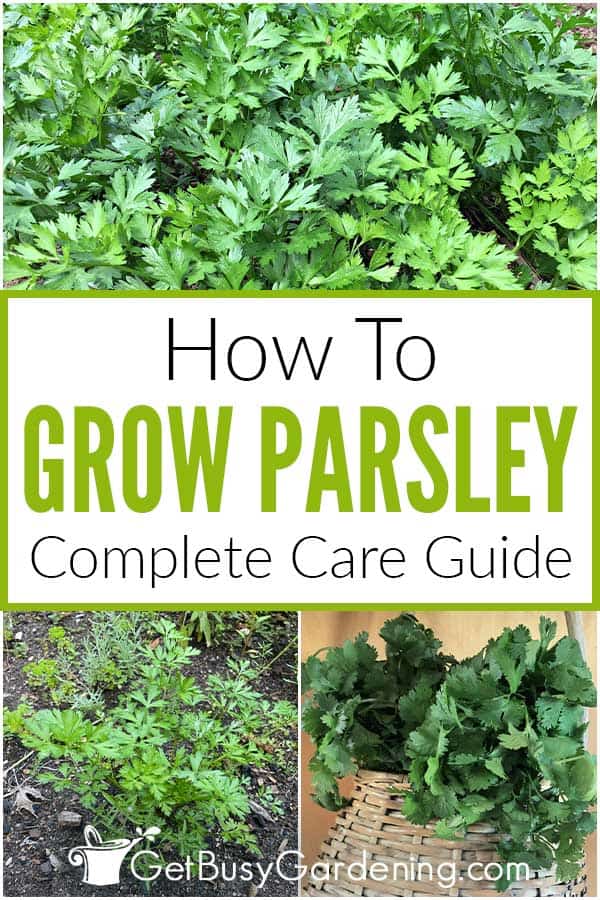
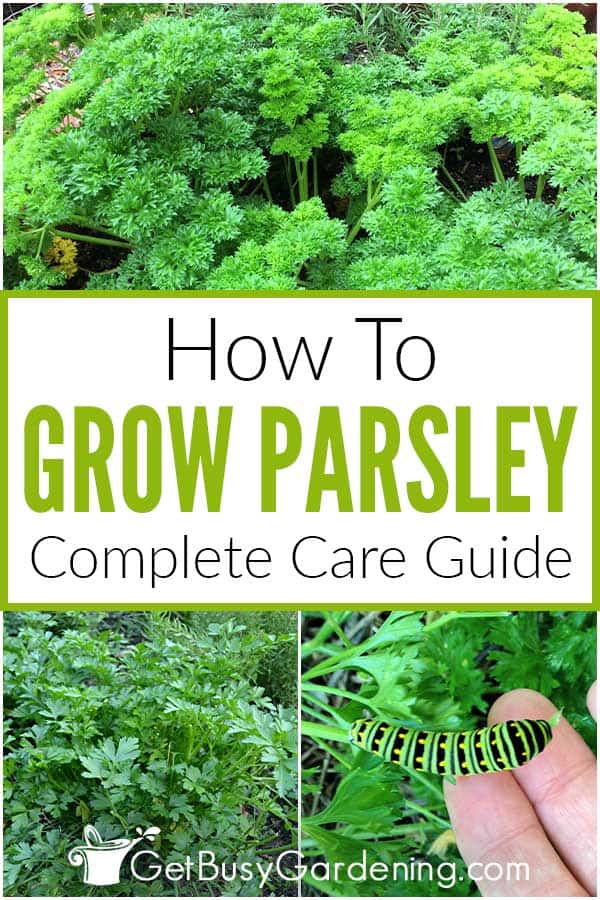
Growing parsley is easier than you might think, and it doesn’t require much hands-on care. In this post, I’ll show you all you need to know in order to have the best success.
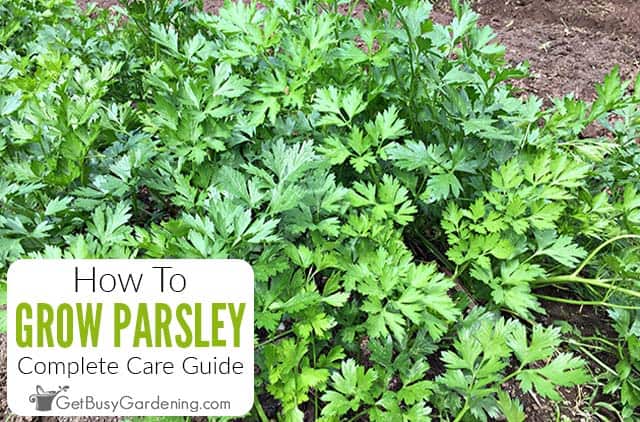

Lush, green parsley plants are a pleasure to grow in any home garden, and they’re useful too.
It’s so easy to care for that even beginners can grow parsley successfully, once they know what it needs to thrive.
In this complete guide about growing parsley, I’ve shared all of the essential information, so you can have your biggest and best crop.
Discover their water, sun, soil, and fertilizer needs, plus get tips on pest control, pruning, and much more.
Parsley Plant Care Overview
| Scientific name: | Petroselinum |
| Classification: | Herb |
| Common names: | Parsley |
| Hardiness: | Biennial zones 2-11 |
| Temperature: | 50-70°F |
| Flowers: | White or pale green, blooms second year |
| Light: | Full sun to partial shade |
| Water: | Keep evenly moist, do not overwater |
| Humidity: | Average |
| Fertilizer: | General purpose plant food in spring and summer |
| Soil: | Fast-draining, fertile soil |
| Common pests: | Whiteflies, cutworms, rabbits, deer |
Information About Parsley
Parsley (Petroselinum) is a biennial plant from the Umbellifer, or Apiaceae family, just like carrots, dill, and celery.
It’s native to Southern Europe and the Mediterranean, but is now one of the most common and widespread herbs in the world.
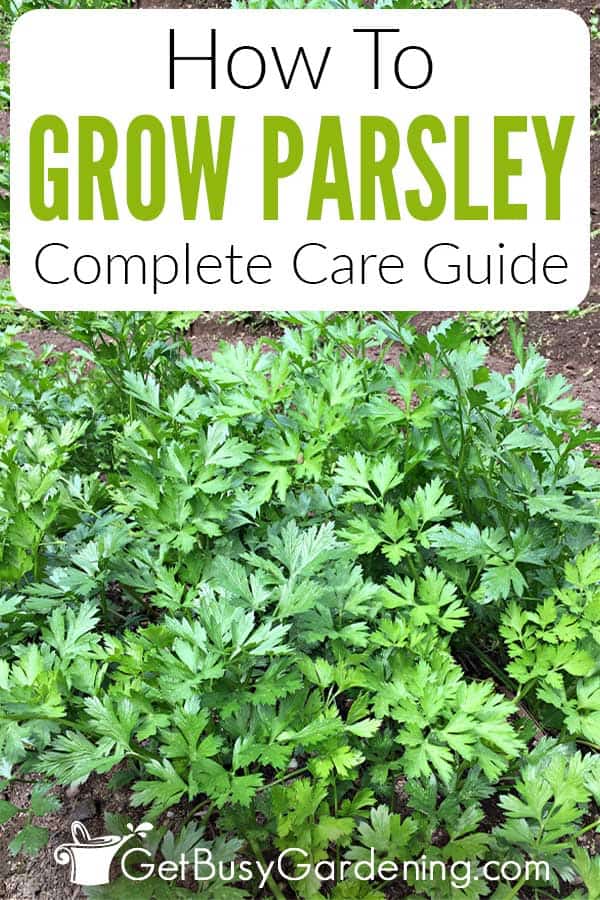
Its deep green foliage is beautiful as garden edging or a filler for flower pots, and a useful addition to your recipes.
It can reach up to 1’ tall, and attracts beneficial butterflies to your garden. It’s very cold hardy, and can be enjoyed for three seasons, or even all year long.
Different Types Of Parsley
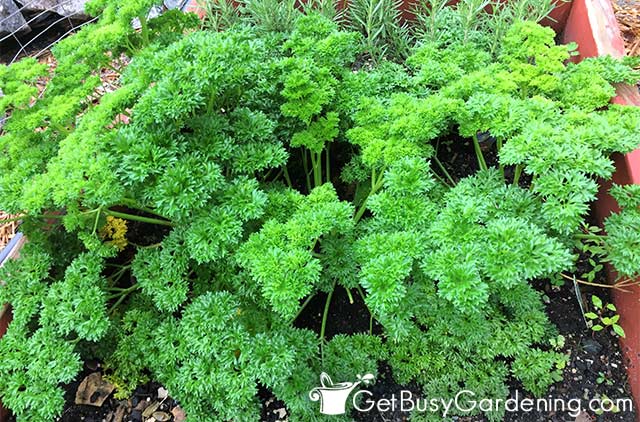
There are two main types of parsley you can grow, curly or flat leaf. They can both be cared for in the same way, but do feature some differences in flavor and appearance.
Curly is milder with ruffled leaves that almost resemble flower bunches on the end of the stems. It’s most commonly used in salads or as a decorative garnish.
Flat leaf has a more intense flavor, tends to have better heat tolerance, and features flat, feathered leaves. This is the type most often used in cooking
Hardiness
Parsley is a hardy biennial in zones 2-11, and can cold winters with little or no protection. The first year it puts on leafy growth, and in the second it will flower and set seed.
In extreme climates it can be overwintered indoors, and many gardeners are able to get a second-year spring harvest before it bolts.
How Does Parsley Grow?
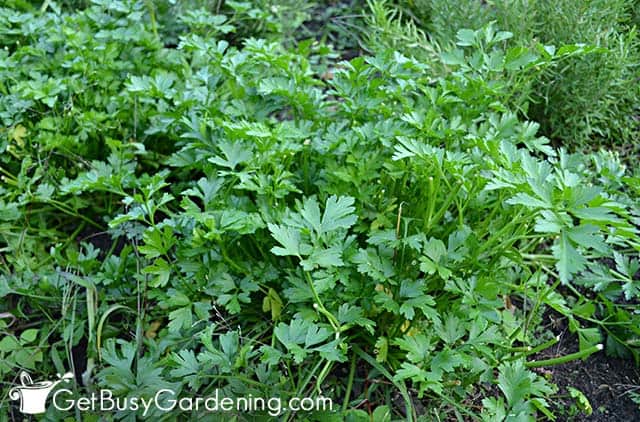
Parsley is made up of several tall, edible green stems that grow from a central taproot.
Curly varieties develops lacy leaves near the top of the stems, while the flat-leaf type grow in clusters along each stem.
How To Grow Parsley
Before we talk about parsley plant care, first we should chat about where to grow it. Choosing a good spot is essential in maximizing your yield.
Where To Grow Parsley
You have lots of choices when it comes to location. Parsley grows well in garden beds, containers, and even indoors.
It can thrive in both full sun and partial shade, but it prefers cool temperatures. So the intensity of full sun can burn it in warmer climates.
When To Plant Parsley
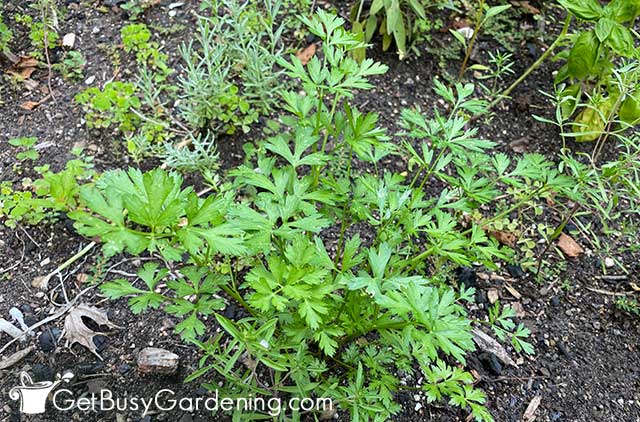
You can plant parsley as soon as the ground is workable in late winter or very early spring.
While it can grow in cold temperatures, it will flourish when the ground is between 50-70°F. You can use a soil thermometer to check it.
Parsley Plant Care & Growing Instructions
Now that you know where and when to grow parsley, it’s time to talk about how to care for it. It’s very low maintenance once you understand how to provide ideal conditions.
Sunlight
Parsley will thrive in 6+ hours of full sun a day, but can also grow very well in partial shade.
Ideally, it should get full sun in the morning or evening, and shade during the hottest part of the afternoon. This will prevent scorching and sunburn, especially in warmer climates.
Water
Provide even, consistent moisture to help parsley grow its best. When the top 1” of the soil is dry, give it a deep drink.
In warm climates or heat waves, you may need to check every day to ensure it doesn’t dry out or wilt. Use a moisture gauge to help make sure you get it just right.
Temperature
Parsley can survive light frosts and freezing temperatures, but its growth will slow considerably when it gets below 45°F.
The ideal range is between 50-70°F. Hotter temperatures will require more water and afternoon shade.
Fertilizer
Regularly fertilizing your parsley is a great way to encourage bushy growth.
Use either a water-soluble balanced fertilizer, such as compost tea or fish emulsion, or a nitrogen-rich granular one designed to maximize foliage.
Apply liquid options once a month, or use organic slow-release granules every few months.
Soil
Parsley can thrive in a wide variety of soils. But, its ideal composition is something organically rich with a pH between 5.5-7.0 on a probe meter.
You can amend the soil with compost or worm casting to help enrich it, especially if you’re starting with poor quality. Mix in some garden lime to neutralize high acidity.
Pruning
Consistent pruning will help encourage bushier, fuller growth, and give you a better crop.
Use clean, sharp pruners or micro snips to cut stems near the soil line, starting with the outside, older ones first.
Pest Control
Though it’s often grown as a repellent, parsley can attract some pests of its own, like whiteflies, cutworms, rabbits, and deer.
Insecticidal soap is a good way to prevent insect damage. I like to make my own by mixing 1 teaspoon of mild liquid soap with 1 liter of water.
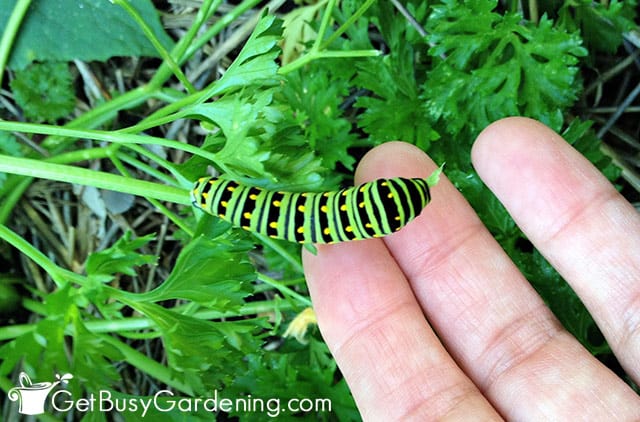
Parsley also happens to be a host plant for the beneficial black swallowtail butterfly. The females will lay their eggs on the leaves, and the caterpillars that emerge will feed on the plant as they mature.
Be sure to keep an eye out so you don’t accidentally kill these beneficial bugs. Instead, I recommend you plant extras so you’ll have plenty to share with them.
You can use row covers to protect some of the crop for yourself, which will also deter animals from munching on the leaves.
Disease Control
The most common diseases that affect parsley are crown and root rot, leaf spot, and blight. The best way to manage them is by using good watering practices, and avoiding overcrowding.
Water near the base to prevent any moisture from sitting on the leaves or splashing up, and never let the soil become saturated or soggy.
If you see any signs of disease, trim away affected leaves and treat with an organic fungicide to help prevent it from spreading.
Tips For Harvesting Parsley
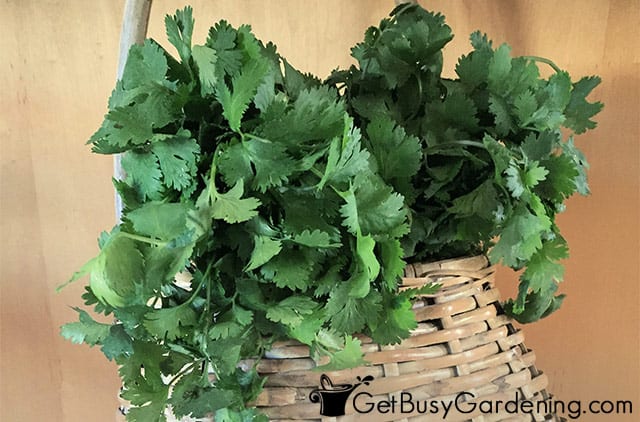
Harvesting is easy, and a great way to encourage new growth. You can snip stems as needed from fall through spring, or even all year in warmer climates.
Wait until the plant has ten leaves or so to begin. Then take the outside stems first by cutting them near the base. It will replenish as long as you don’t take more than a third of the total plant at a time.
Related Post: How To Preserve & Store Fresh Parsley
Parsley Propagation Tips
The most common way to propagate parsley is by seed. Growing the seeds is easy, especially if you allow it to bolt and collect them yourself in the second year.
Since they do best in cool temps, early spring is the ideal time to get started.
Troubleshooting Common Problems
With the right care, water, and sunshine, growing parsley is easy. But you may run into an issue or two over the course of its life. Here are my best tips for getting it back into a healthy condition.
Parsley Turning Yellow
The most common culprits of parsley turning yellow are overwatering or root rot. If its container has poor drainage or the soil is waterlogged, the roots will be unable to provide nutrients to the leaves.
Avoid puddling when you water, and go longer between drinks to allow it to dry out more. For best results, use a moisture gauge to monitor it.
Plant Is Bolting / Going To Seed
Since parsley is a biennial, bolting is a natural part of its second year of life. It’s usually triggered by the heat of summer, or temperatures that exceed 70°F for an extended time.
You can prolong its life by using shade covers to protect it during the hottest part of the afternoon, but it will eventually go to seed and die anyway.
Leaves Turning Brown
Some of the main causes for browning parsley leaves are overwatering, too much sun, age, and disease.
Allow the soil to dry 1” down between waterings to prevent issues of rot. Provide shade in the afternoon during high temperatures, or if you live in a naturally warm climate.
Spotted brown leaves are usually a sign of disease. Treat with a natural fungicide and trim away infected foliage. If it continues, pull and destroy the plant to prevent it from spreading through your garden.
Parsley Not Growing
There are a few reasons why parsley won’t grow well. Mainly poor watering practices, overcrowding, or temperature issues.
Too much or too little water can stall growth and eventually cause it to wilt. Keep it consistently moist and use a meter gauge to help you maintain the perfect level.
If the plants are crowded and battling for nutrients and space, or facing temperatures below 45°F, they can stop growing until the conditions are more ideal.
White Spots On Leaves
If you see white spots on the leaves of your parsley, it’s likely either powdery mildew or whiteflies.
Whiteflies are a common pest, especially indoors. They can be treated by spraying the leaves with an insecticidal soap, and using sticky traps to capture the adults.
Mildew is usually due to too much moisture, and can be controlled by proper watering and an organic fungicide.
FAQs About Growing Parsley
Here I’ve answered some of the most commonly asked questions about growing parsley. If yours isn’t on the list, please add it to the comments section below.
Is parsley easy to grow?
Parsley is easy to grow once you understand the care it needs. Consistent moisture, fertile soil, sunlight, and regular pruning will help it thrive.
What conditions does parsley grow best in?
Parsley grows best in conditions with moderate temperatures, at least 4 hours of sun per day, nutrient rich soil, and consistent, even water.
Does parsley grow all year round?
Parsley will grow all year round in moderate climates. It will go dormant in freezing temperatures, but can grow back in the spring if protected or brought indoors.
How long does a parsley plant last?
Parsley plants will only last for two years before they reach the end of their natural growing cycle. They are a biennial, which means they put on leafy foliage the first year, and then bolt (go to flower and set seed) in the second.
Does parsley need full sun?
Parsley can thrive in full sun, but hot temperatures in the afternoon may lead to scorching. Partial shade during those hours will help prevent that.
Does parsley grow well in pots?
Parsley does grow very well in pots, even when mixed with other plants. Make sure the container has drainage holes to prevent issues with rot.
Now that you know the ins and outs of growing parsley, you can enjoy lush foliage and frequent harvests from your own garden. Even beginners can have success with the care tips in this guide.

If you want to create a gorgeous and highly productive food garden, then you need a copy of my book Vertical Vegetables. It will show you all you need to know about growing any type of crop (including herbs!) vertically. Order your copy today!
Learn more about my Vertical Vegetables book here.
More About Herb Gardening
- How To Grow Stevia At Home
- How To Grow Oregano Plant At Home
- How To Grow Chives At Home
- How To Grow Thyme At Home
- How To Grow Chamomile At Home
Share your tips for growing parsley in the comments section below.

Leave a Reply