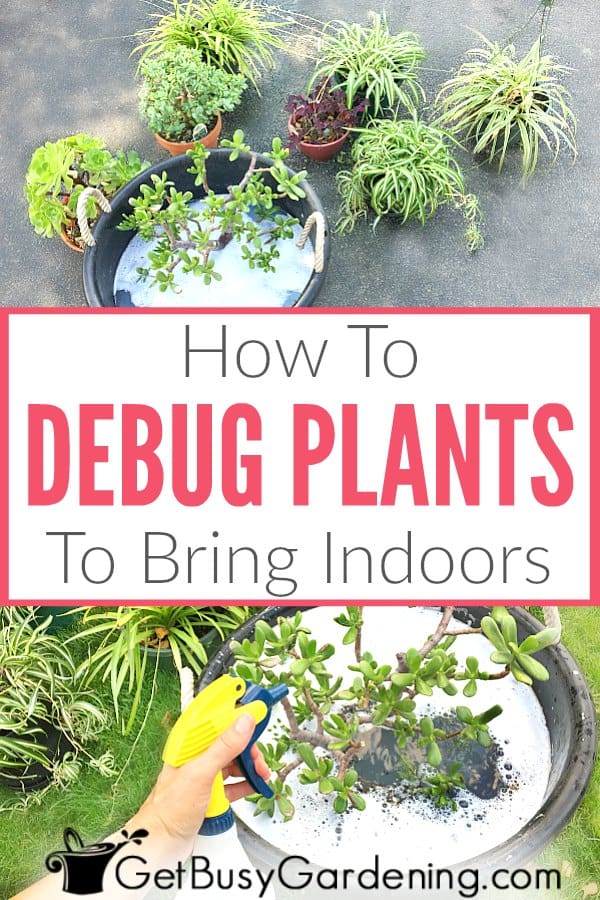
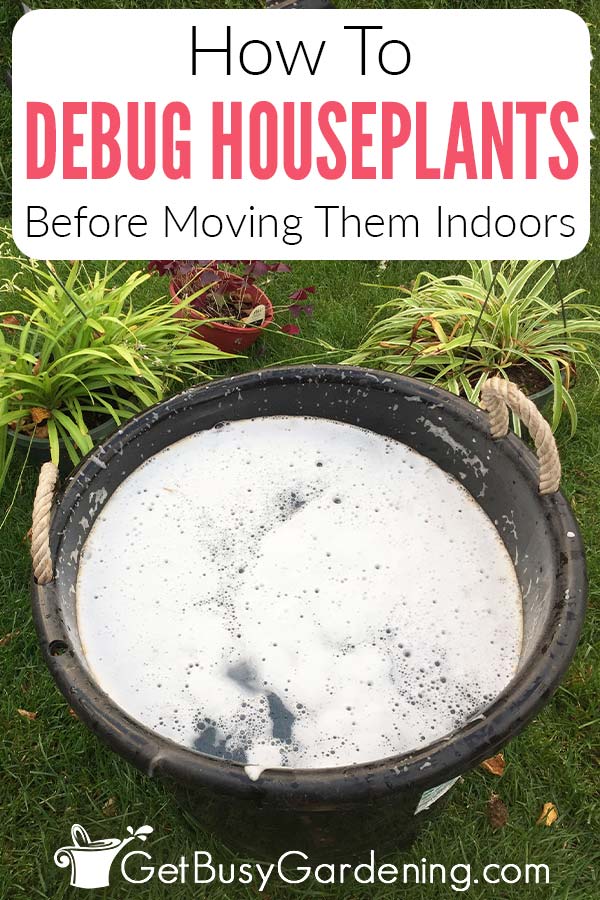
Winter is around the corner which means, it’s time to start moving some plants back indoors! The key to a smooth transition lies in knowing the right time to bring them inside and how to do it without inviting bugs. Let’s break it down step-by-step!
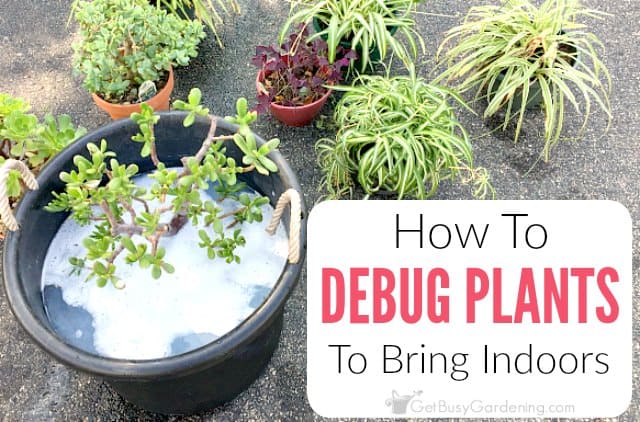
Aphids, mealybugs, and other types of houseplant pests aren’t normally a problem outside. But they can quickly turn into a major infestation during the winter if they come inside on your houseplants.
When To Bring Plants Inside For The Winter
Knowing WHEN to start this process is key. You should start moving your plants inside during late summer or early fall, before nighttime temperatures consistently drop below 60°F (15.5°C). Exposing tender houseplants to temperatures below 50°F (10°C) can cause damage.
A good rule of thumb is to bring them in at least two weeks before your area’s average first frost date. For example, in zone 4, that’s September 20th, around the end of summer.
Waiting too long could shock your plants which can cause their leaves to drop, go dormant, or even die if frost hits unexpectedly.
Amy’s Tip #1! 👩🏼🌾
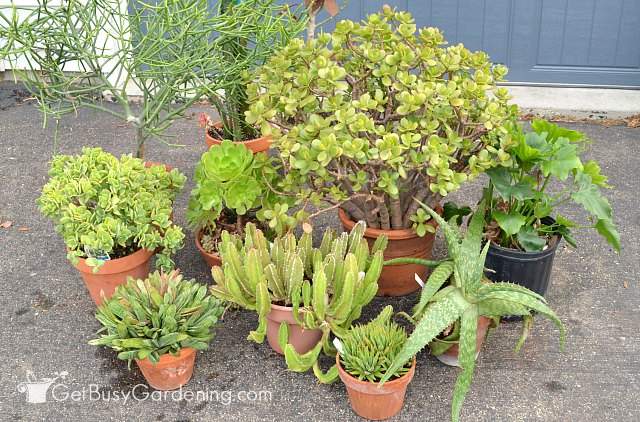
Moving all your houseplants inside at once can be overwhelming, both for you and the plants. Instead, bring them in gradually over a few weeks. This way, you can manage the workload, and the plants can adjust more easily.
9 Steps To Debugging Your Plants
Debugging plants might sound complicated, but it’s actually straightforward. Here’s how to do it step-by-step:
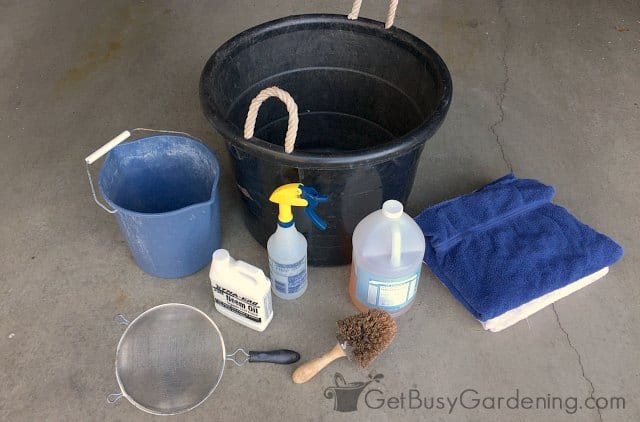
Supplies You’ll Need:
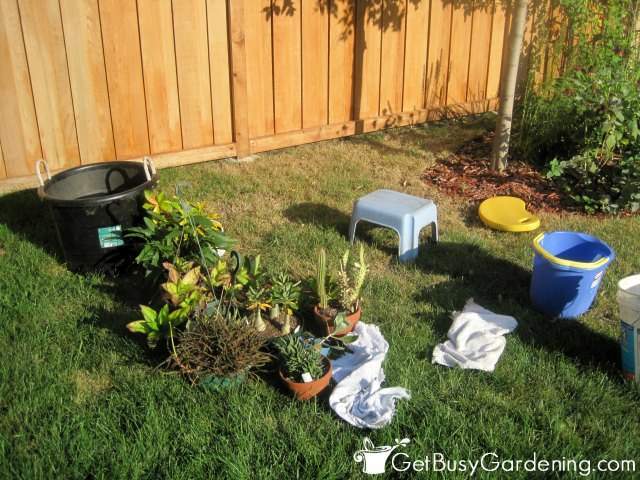
Steps:
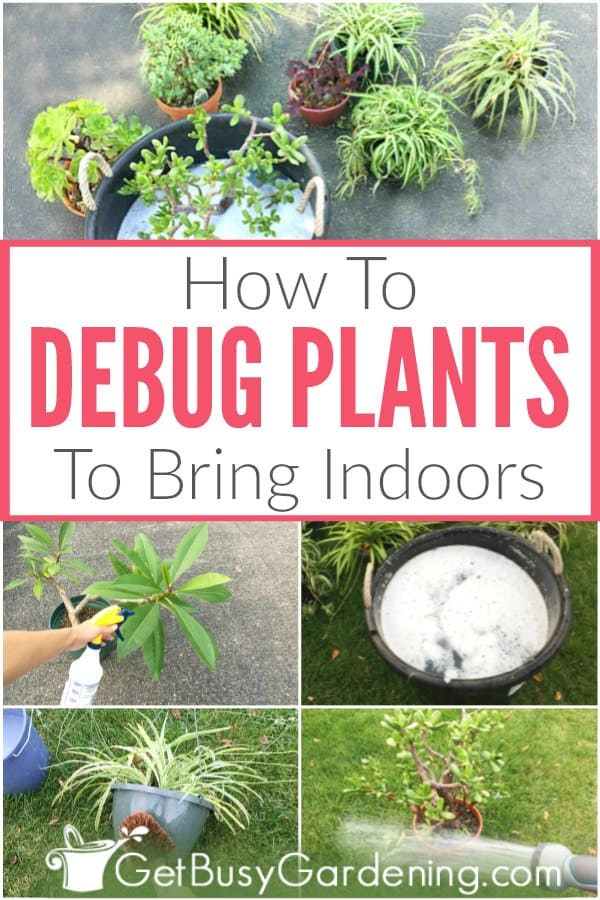
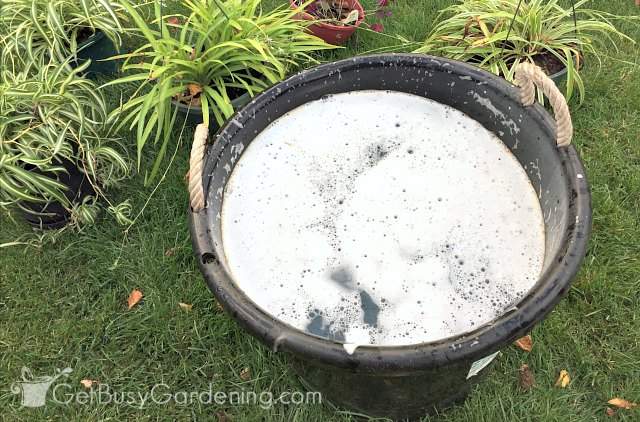
- Fill the Tub with Soapy Water: Fill your large utility tub with tepid water, and your wash bucket with warm water. Add a few squirts of a mild liquid soap to each as you’re filling them. (Avoid soaps with degreasers or detergents, as they can harm plants.)
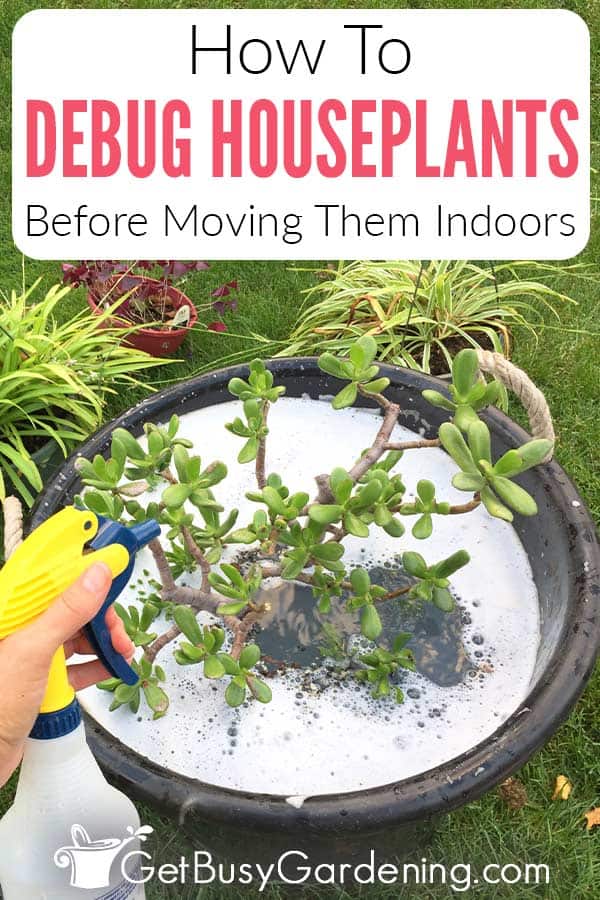
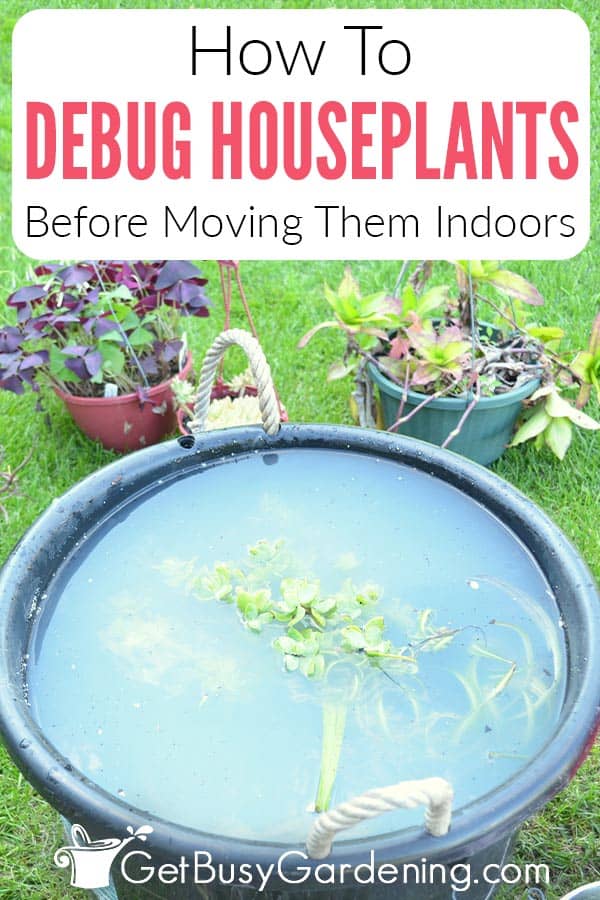
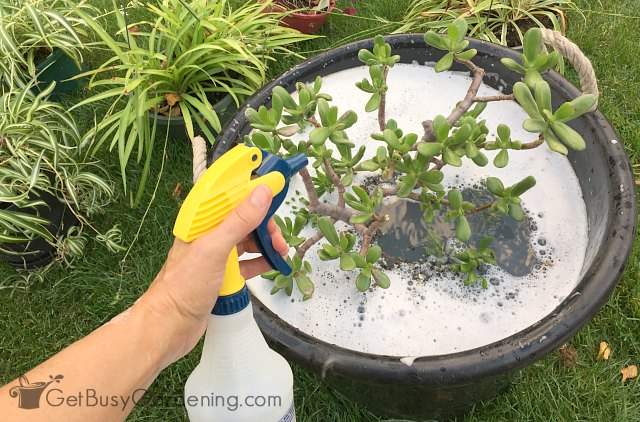
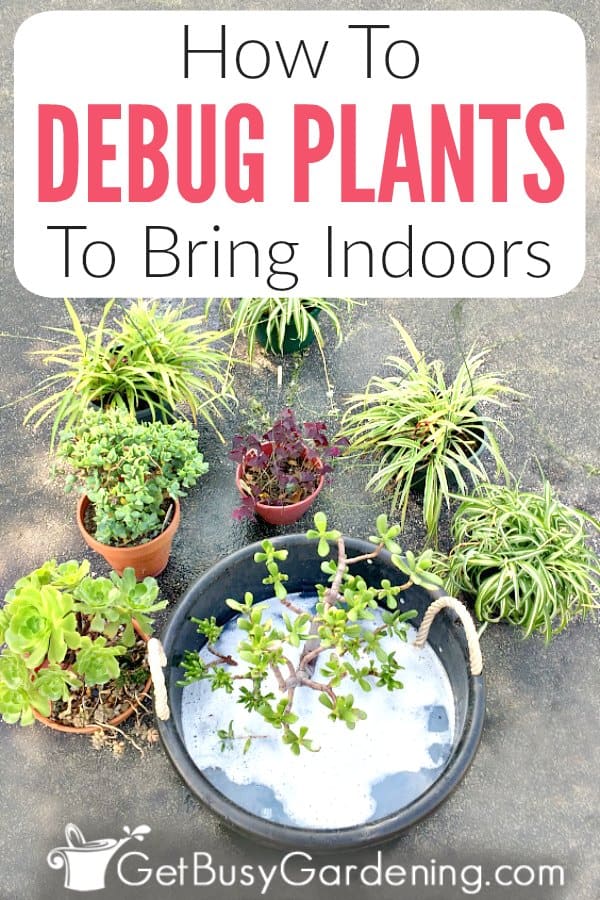
- Soak the Plants: Submerge each plant—pot and all—in the soapy water for 15-20 minutes. The soap kills bugs on the plant and in the soil. Weigh down any floating pots with bricks or rocks.
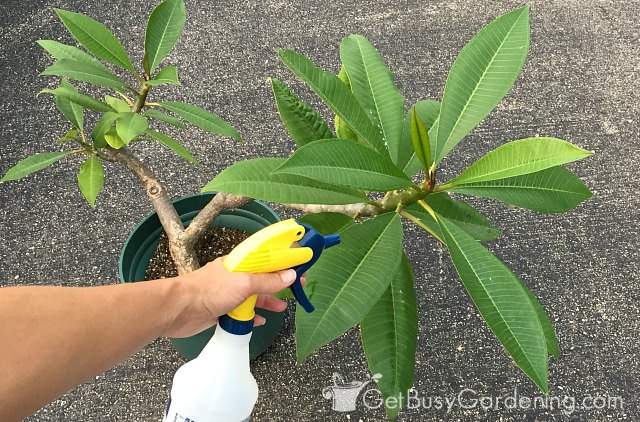
- Clean Any Exposed Leaves: Clean the leaves that aren’t submerged – If any of the leaves aren’t completely covered by the water, use an organic insecticidal soap to clean them. Or you can use my recipe, which is 1 teaspoon of mild liquid soap per 1 liter of water in a spray bottle.
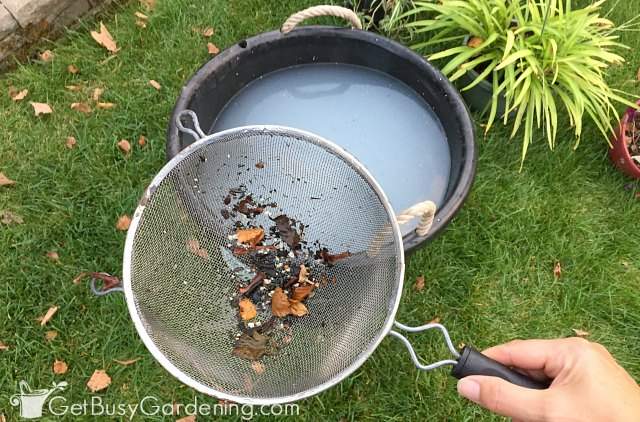
- Remove Debris: Skim any dead leaves, bugs, or debris from the water using a kitchen strainer before pulling out the plants.
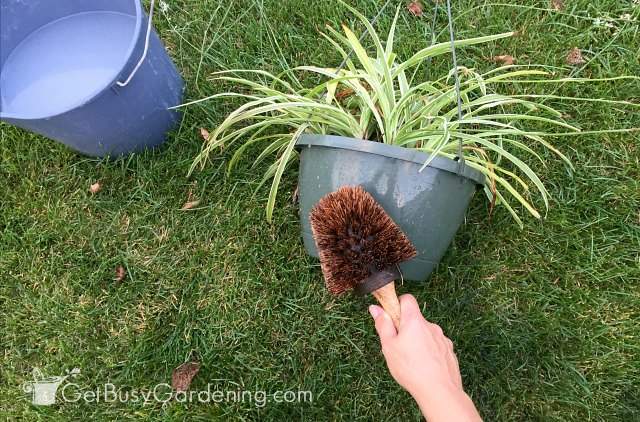
- Scrub the Pots: After soaking, scrub each pot clean with a brush.
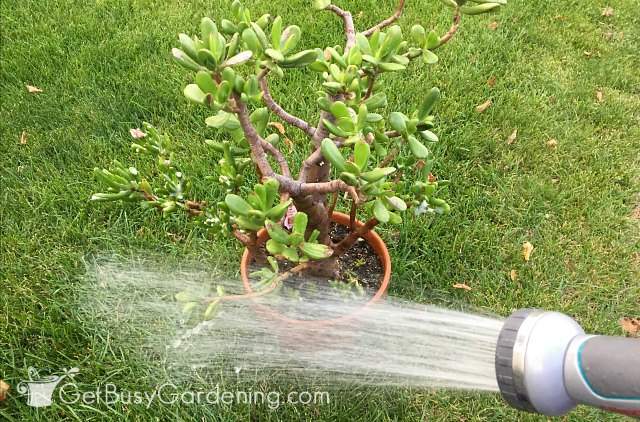
- Rinse Thoroughly: Use a hose to rinse the plants and pots to remove any remaining soap and debris.
- Drain the Water: Allow the excess water to drain completely from the pots before bringing the plants indoors.
- Repeat as Needed: Continue the process until all your plants are debugged. Top off the water in the tub as needed and remove debris between batches.
- Move Plants Indoors: Once drained, bring your clean plants back inside and let the soil dry out before watering again.
Debugging Large Plants To Bring Indoors
Soaking houseplants in soapy water is great for small to medium sized potted plants, but I have several that are too large for this method. So, instead I use a modified version…
I wash the plant leaves and the stem of the entire plant with soapy water (using the same mild liquid soap I use for soaking plants), and then rinse it off thoroughly using the garden hose.
Once the leaves are clean, I spray the whole plant with neem oil and let it dry before I move it back inside.
NOTE: some houseplants are more sensitive than others, so be sure to test any type of spray on a few leaves before spraying the whole plant.
Amy’s Tip #2! 👩🏼🌾
If any of your plants are root-bound, repot them after debugging, before bringing them indoors. This keeps the mess outside and gives the plants room to grow.
3 To-Do’s AFTER Bringing Outdoor Plants Inside
- Increase Humidity: Many houseplants thrive in higher humidity. Use a portable humidifier indoors to maintain a humidity level around 50%, mimicking the plant’s outdoor environment.
- Inspect Regularly: Keep an eye out for pests after moving your plants inside. Early detection makes it easier to manage any outbreaks.
- Quarantine New Plants: If you’re bringing in new plants from outside or from a store, keep them isolated from your other houseplants for a few weeks to prevent spreading any hidden pests.
Benefits of Soaking Your Plants in Soapy Water
- Soaking gives your plants a thorough watering, so you don’t need to worry about it right away after bringing them inside.
- The process removes dead leaves and debris, leaving your plants looking fresh and clean.
- Your pots and plants will be sparkling clean, adding to the satisfaction of having healthy indoor plants.
Related Post: Fall Houseplant Care Guide
Amy’s Tip #3! 👩🏼🌾
For large plants that are difficult to submerge, use a modified approach: Once clean, spray the entire plant with neem oil to deter pests (test a small area first to check for sensitivity). Wash the leaves and stems with soapy water, then rinse thoroughly with a garden hose.
Debugging FAQs
What do I spray on plants before bringing them indoors?
You can spray your plants with a neem oil solution, or use an organic insecticidal soap to clean the leaves. I highly recommend testing any type of spray on a few leaves before treating the whole plant to make sure it won’t cause any damage.
Will your debugging method kill bugs and eggs in houseplant soil?
Yes, using my method to soak your plants in soapy water should kill any bugs or eggs that are living in the soil too. Sometimes there can be air pockets in the soil where they can survive though. So if you’re concerned, then soak them a little longer. Also, gently tap the pot after it has finished bubbling to try to release any trapped air.
How do you debug plants that are in pots without drainage holes?
To debug plants that are in pots without drainage holes you can wash the leaves with soapy water or insecticidal soap and rinse them off well after. Then spray the leaves with neem oil.
My method of soaking houseplants in soapy water works great for most types of plants, and will help to make sure you bring your outdoor plants inside without bugs. Trust me, starting the long winter off with clean and insect-free houseplants will make your life SO MUCH easier.

If you’re looking for more help for how to keep bugs off plants, my Houseplant Pest Control eBook is an essential guide to help you debug your houseplants for good. Download your copy today!
More Posts About Houseplant Pest Control
- Where Do Houseplant Pests Come From?
- How To Use Neem Oil Insecticide On Plants
- How To Get Rid Of Bugs On Your Houseplants
- Fungus Gnats vs Fruit Flies: What’s The Difference?
- How To Keep Cats Out Of Houseplants
How do you debug plants before bringing them in for the winter? Share your tips in the comments section below.


Diane Griffith says
I do I need to debug if my plants are on a porch where I have never sen a bug or can they not be seen with the naked eye?
Amy Andrychowicz says
If your plants are in a close porch where bugs can’t get in, and you haven’t noticed any evidence of pests on them, then I don’t see any reason to debug them before moving them indoors.
Cori says
So the larger plants only need to be sprayed with neem oil? Nothing done to the soil? Thanks for the tips!
Amy Andrychowicz says
You could soak the pot in the bucket if you want. I do that for taller plants, and then I wash the leaves as the pots are soaking.
Shelly says
Let’s say I debug my potted Aloe Vera plant outside–it’s on my apartment balcony–and then I wait for it and its pot to dry before I bring it inside for the winter. (Step 6)
Not trying to sound dumb here, but won’t it potentially get bugs while I’m waiting for it to dry before I bring it in? I do have a few bugs flying around outside, and neighbors have some on plants on their nearby balconies….
Or is the draining just a 15-20-minute process to get the bulk of the extra water out?
Amy Andrychowicz says
I just leave the plants outside long enough for all of the water to drain from the pot after soaking them, then I bring them inside. No need to leave them out longer than that. It’s really just to prevent making a mess in the house. 🙂
Paula says
I winter my outdoor plants in a greenhouse. I think your technique would apply when all my green babies are in such close quarters.
Any additional thoughts relative to that transition? I am located in the Texas Hill Country, an hour east of Austin. I grow primarily succulents with a few other plant types.
Amy Andrychowicz says
Yes, this debugging method would work great for greenhouse plants too. I’m not sure I understand your other question though, can you clarify?
Paula Schechter says
My greenhouse is mostly pest free so I don’t want to invite bugs into the plant sanctuary.
You answered my question. 😉
Amy Andrychowicz says
Great, glad to hear it!
Michele says
I am wondering if the process is the same for outdoor plants that I want to transplant from outside pots to indoor pots. I have two ivys that are flourishing outside and want to move them in. Thank you for your response.
Amy Andrychowicz says
Yes, you certainly could use this method to debug outdoor plants to bring them indoors. However, the loose soil tends to float out of freshly potted plants, so keep that in mind. Otherwise, I would soak them bare-root before potting them up personally. But either way, it’s going to be a little messy, so best to do it outside for sure. On the other hand, if they are in outdoor pots that you want to transplant, then soak them before you repot them.
Jan Beline says
I was delighted find such an in-depth article on cleaning plants.
I became confused with the pot brush.
I am assuming you use the brush on the outside of your potted plants and not inside by removing the plants from the pots. Please let me know if I am correct.
I love the brush for cleaning and disinfecting used pots. Thank you for all you do. Jan Beline
Amy Andrychowicz says
You’re welcome, so glad you enjoyed that tutorial. 🙂 Yes, you would just use the brush to clean the outsides of the pots. The plants stay in the pots during this process.
Kathleen says
Does this work for ants? Thank you so much
Amy Andrychowicz says
Yes, it should work for ants. If there’s a large nest in the plant, I would let it soak for 10-20 minutes after all of the bubbles have stopped coming up. You can also gently shake or tap on the pot to make sure all of the air bubbles have come out, and that should help too.
Erin says
Do you think this could be safely done in a bathtub, if bucket/outdoor space is not possible to use?
Amy Andrychowicz says
While you certainly could debug your plants in the bathtub, it could make quite a mess. There will be leaves and other debris, and probably some soil left at the bottom of the tub after soaking your plants that you probably don’t want going down the drain.
Lorraine Jeskey says
Could I use baby shampoo in the water to debug my outside plants?
Amy Andrychowicz says
The best way to know if any type of soap is safe to use to debug plants is to test it on a leaf or two, then let it sit for a few days to make sure there’s no damage before treating the whole plant.
Lynne says
Following up-
Took plants back outside and watered them with soapy water made from a bar of Dr Bronners that I had. Little larval things surfaced and I used neem oil on them. We’ll see what happens next…..
Amy Andrychowicz says
Yes, they can be tricky to get rid of, hope your hard work pays off. Here’s a post with more details and remedies to try… How To Get Rid Of Fungus Gnats In Houseplants Soil.
Dana Root says
I’ve heard tea tree oil & water mixed & sprayed on larger plants can debug also. Do you know if this is effective?
Thanks!
Amy Andrychowicz says
I have never tried it myself, so I can’t say for sure. Definitely test it on a leaf or two to make sure there’s no damage before spraying the whole plant.
Lynne says
Thanks for your info! I have citrus trees in large pots (here in MN) and find that gnat like bugs are lurking in the soil. I’ve applied neem oil to plant and soil surface but find now that they are indoors where it is warmer there are more gnats than before, presumably surfacing from deeper in the soil where they had taken refuge from the chill.
Any recommendations? One thought I had was to bring them inside on a warm day, when they might be less likely to burrow….too late for that now….
Amy Andrychowicz says
Those are called fungus gnats, and they live and breed in the top inch of soil. They are very common, and they thrive in moist soil. Here’s a post the details several different methods for getting rid of them… How To Get Rid Of Fungus Gnats In Houseplants Soil. Good luck!
Anna Li says
how much mild soap do you put in the large basket?
Amy Andrychowicz says
Honestly I just add 2-3 large squirts of it, I’ve never measured before – but it’s probably 3-4 tablespoons.
Rachel E says
I put my variety of succulents outside for the Summer for the first time this year. They loved it, better light, nice & warm – no stretching (my windowsills aren’t the best for light sources), happy, healthy, colorful plants. BUT I recently noticed that there are now lil mite-sized bugs crawling around the bottom of the pots, & the plants themselves get covered with little webs every now and then. My area has always had a seasonal spider problem – so I cleaned off the webs as best I could as they appeared. But the mites, that was something new to me. I was worried I was going to loose my succulents, most of which I’ve grown from leaf cuttings & they’re still small/young. & I definitely didn’t want to bring the pests back inside with the plants.
Your article here (& the extended article about neem oil) has been very helpful & informative. Well written and easy to understand for a relative newb like me. I just got the supplies in and I plan on giving my plants a good bath soon. I also got some new shelving so I could quarantine them away from my other house plants when I bring them in while I make sure they are pest free (hopefully in an area with better light).
Thanks again for providing this info! Wish me luck! lol
Amy Andrychowicz says
Awesome, so happy to hear that I’ve been able to help you get rid of the bugs on your plants before bringing them back inside for winter! Good luck! 🙂
Nel says
Soaps and insecticidal soap spray can remove the lovely natural powdery coating present on the leaves of some succulents leaving an unattractive spotty appearance. Household rubbing alcohol will kill bugs quickly without removing the powdery coating (called farina).
Amy Andrychowicz says
Yes, some plants are definitely more sensitive to soaps and sprays than others. So it’s good to always, always test any type of remedy on a few leaves first before treating the whole plant.
JAKE SLEGERS says
I really enjoy your posts. I always learn so much from them! Many thanks for all the useful and practical information. I typically bring 80 to 100 pots of various sizes inside each fall, and am gradually refining my methods, so this post is very helpful.
One thing about this sentence in this post: A good rule of thumb for when to bring houseplants in for winter is at least two weeks before your average last frost date.
Shouldn’t that read: A good rule of thumb . . . is at least two weeks before your average FIRST frost date?
Or am I misunderstanding it?
PS: I am originally from SW MN, but have lived in Slovakia, in Central Europe, for over 27 years.
Amy Andrychowicz says
Thank you, I’m so happy to hear you find my articles so helpful! You’re welcome. 🙂 Haha, yes, you’re correct and thanks for pointing out my error. You should start bringing your plants indoors 2 weeks before you FIRST frost date in the fall.
Kelly says
Thanks for the helpful explanation! Does this method work for orchids?
Amy Andrychowicz says
Yes, orchids will love the extra humidity when you soak them in water. I recommend testing the soap you plan to use on a few leaves first, and wait a few days to make sure it doesn’t damage them before submerging the whole plant.