If you’ve been following me for any amount of time, you’ve probably heard me say “grow smarter, not harder” more than once.
I know it sounds a bit cliché, but the reason I say it so often is because the #1 question I’ve gotten over the past 20 years is some version of, “How can I fix X problem?”.
But here’s the thing… gardening shouldn’t be about constantly fixing things.
It should be about enjoying the process of growing your favorite flowers and veggies and creating a beautiful, highly productive garden that you love.
So I want to change the way you think about gardening.
Because there is a smarter way to garden, and that’s exactly what I’m going to show you in this post.

The Old Way That Keeps You Stuck
The first step in making the shift from constantly fixing problems to gardening smarter is understanding why your current approach (we’ll call it the old way of gardening) is keeping you stuck.
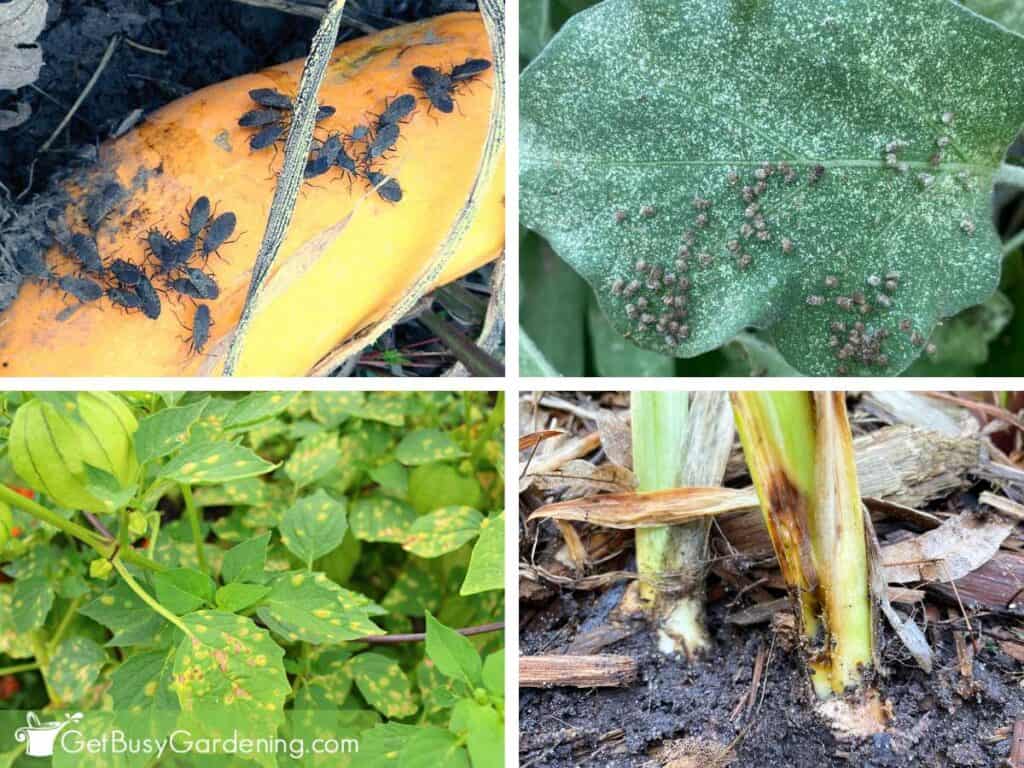
You see, most advice focuses on how to fight every bug, weed, disease, and plant ailments that shows up.
That is the harder way because once a issues shows up, you work hard to fix it. Then another one appears, so you focus on that. Then another. And another. And so on.
The result? You get stuck in an endless cycle of constantly fighting against your garden, feeling like you can never get ahead because you’re always fixing one thing after another.
Trust me, I know because I spent years stuck in this same cycle. All the while, I kept thinking, “There’s GOT to be a better way.” So I created one.
A Smarter Way To Think About Gardening
What’s the secret to growing smarter? The answer is actually pretty simple: you just need to balance your garden.
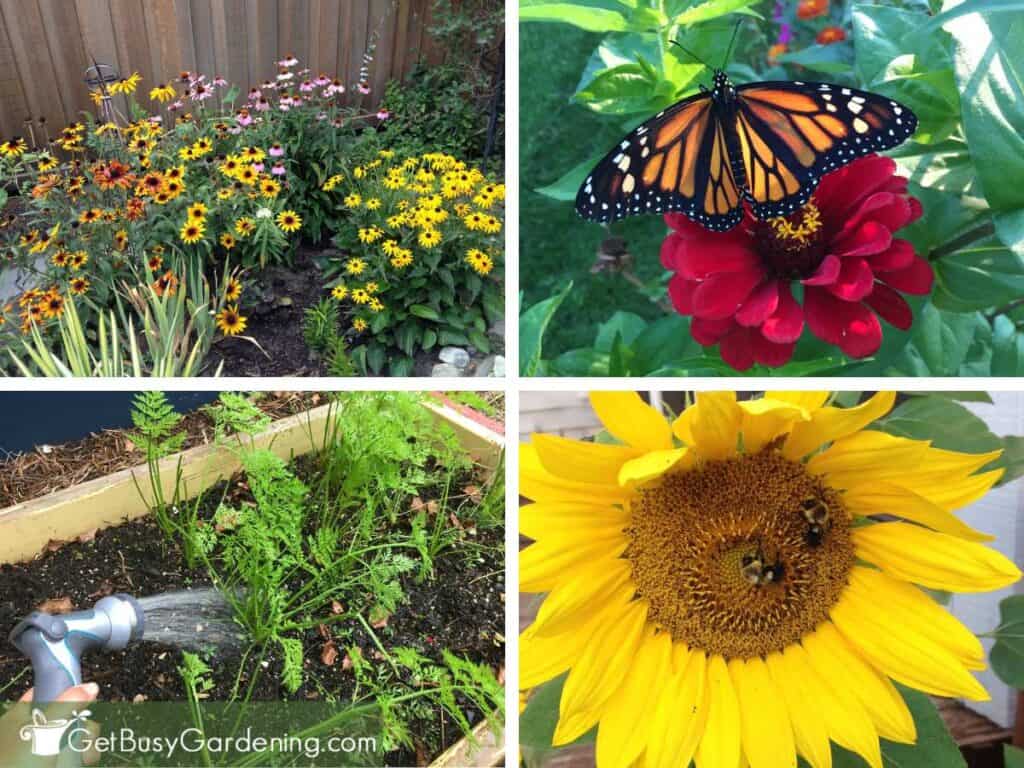
When your garden is balanced, everything works together to create a healthy environment that supports strong, resilient plants that can naturally resist problems on their own.
That means fewer issues popping up, less work for you, and a garden that’s So Much Easier to maintain.
Once I stopped trying to fight against my garden and started strategically building an environment that supported strong, resilient plants, everything shifted and the problems began to disappear.
And I want to help you make that same smart shift in your garden.
Your New Approach To Gardening
There are three key pivots you can make, starting today, to shift from fighting your garden to creating a healthy environment where your plants can thrive.
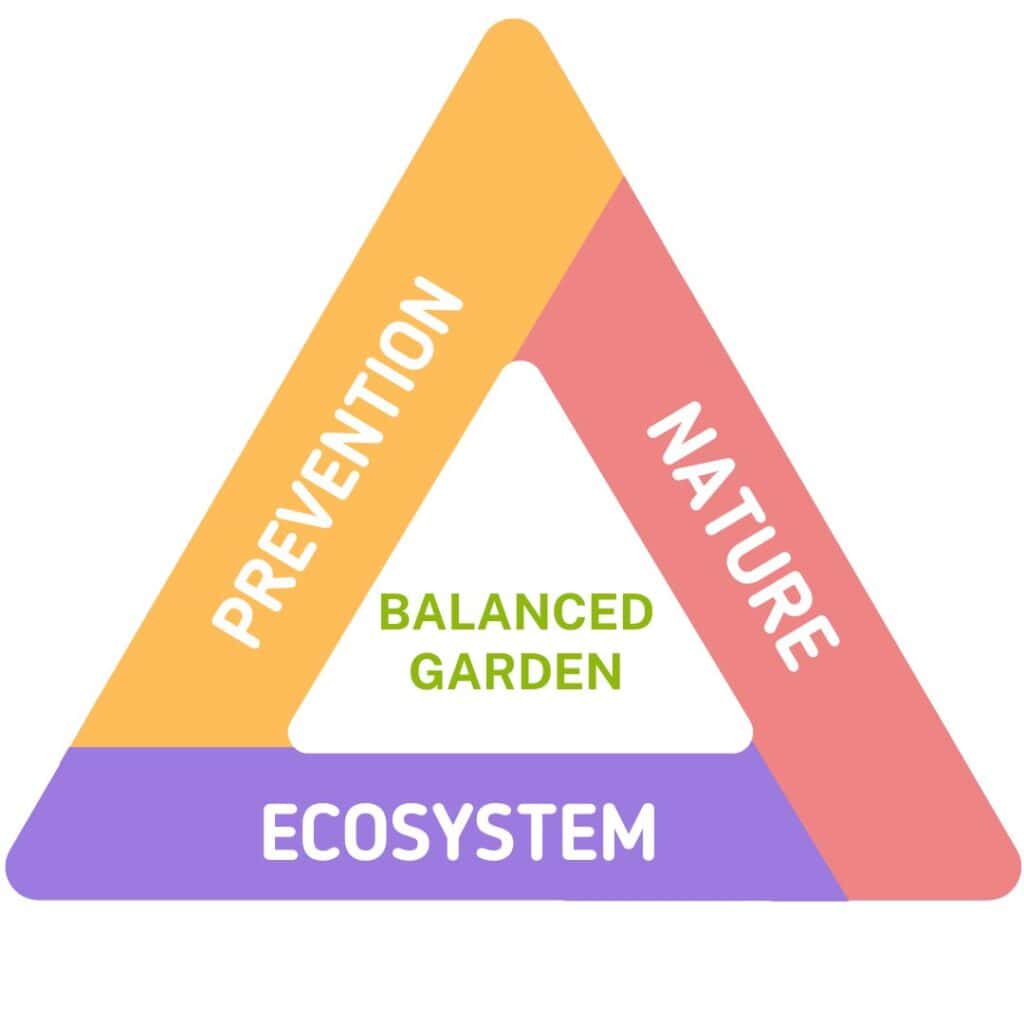
Together, they form the foundation of what I call my 3 Pillars of a Healthy Garden.
- Ecosystem – Treat your garden as a whole interconnected system where everything works together as a functional unit.
- Prevention – Be more proactive and intentional about getting ahead of problems before they can even start.
- Nature – Embrace nature’s role in your garden and use it strategically to take care of issues for you.
When you focus on implementing these 3 Pillars, the result will be a healthy ecosystem that works with nature instead of against it to prevent problems before they start while supporting strong, resilient plants that can defend themselves.
Ready to Grow Smarter?
If you’ve spent years stuck in the cycle of constantly reacting to issues as they pop up, it can be hard to know where to start or how to make the shift to a smarter way to garden.
And that’s exactly what I’ll help you do inside the Garden Growth Course.
In the course, I’ll walk you through my repeatable, step-by-step system for creating a healthy, low-maintenance garden that practically takes care of itself.
So if you’re ready to stop fighting bugs, weeds, diseases, and other problems and start growing smarter instead, the Garden Growth Course is your next step.
How are you going to start growing smarter in your garden after reading this post? Let me know in the comments below!

Jennifer Ann Threet says
I have used raised bed gardening due to living in an apartment complex. The first three years I had very good results. I have three long beds and was able to eat from my garden and can several jars of food as well. This year has been horrible. The plant will bloom and then die without producing any fruit. Even my tomatoes were hardly bigger than a golf ball. I fertilized, kept weeds pulled, and was consist in my watering. My cucumbers produced fruit the size and shape of golf balls. What did I do wrong?
Amy Andrychowicz says
Oh no, sorry to hear your veggie beds didn’t do as well this year! The first thing I would do is test the soil, and then also make sure you’re using the right type of fertilizer. And, when the plants flower but don’t set fruit, that means they aren’t being pollinated. So plant more flowers around your vegetable beds to attract bees and other pollinators, or try hand-pollinating next year. Here are a few posts to help you out:
– How to Test Garden Soil Using a Home Testing Kit
– Guide To The Best Fertilizers For Vegetable Gardens
– How & When To Fertilize Your Vegetable Garden
– How To Pollinate Squash By Hand For Maximum Production
And, I recommend you go through my Garden Snapshot Review process to assess your garden’s conditions so you can clearly see why it hasn’t been working out the way you want it to.
Denise says
Attention Amy, good morning. I brought my house with 4 awesome Hasta’s in front of my house. Well every year about this time in N. Idaho when it seems the sun is the hottest for about 5 hours before the shade. The leaves start to brown on the edges. I water in the early morning. Help. There beautiful but I don’t want brown leaves.
Amy Andrychowicz says
My guess is that they’re getting too much sun and need more shade. But it’s really hard to know for sure without looking at the bigger picture. The best thing to do is go through my step-by-step Garden Snapshot Review process to assess your garden’s conditions so you can clearly understand how much light, moisture, temperate…etc. your plants are getting, and can figure out what’s causing the problem.