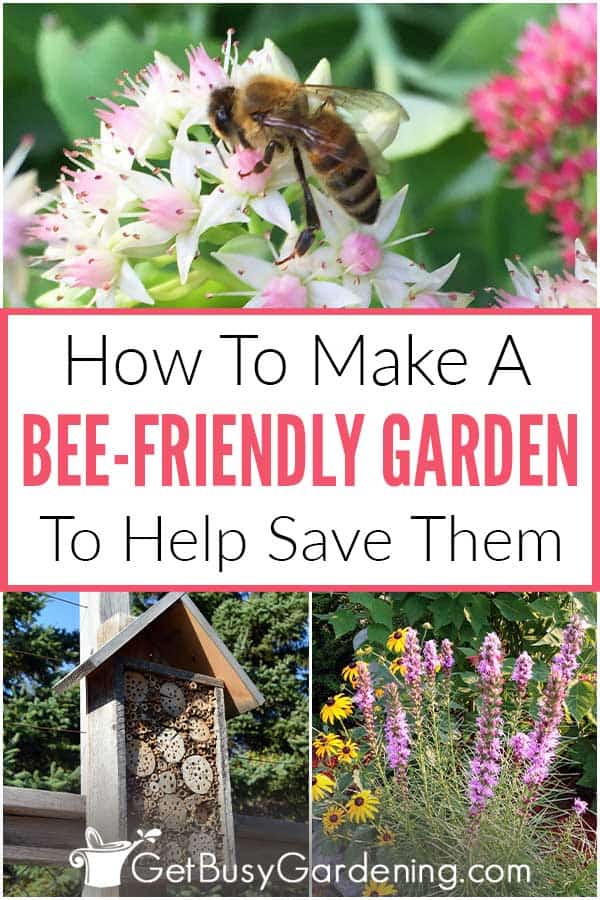
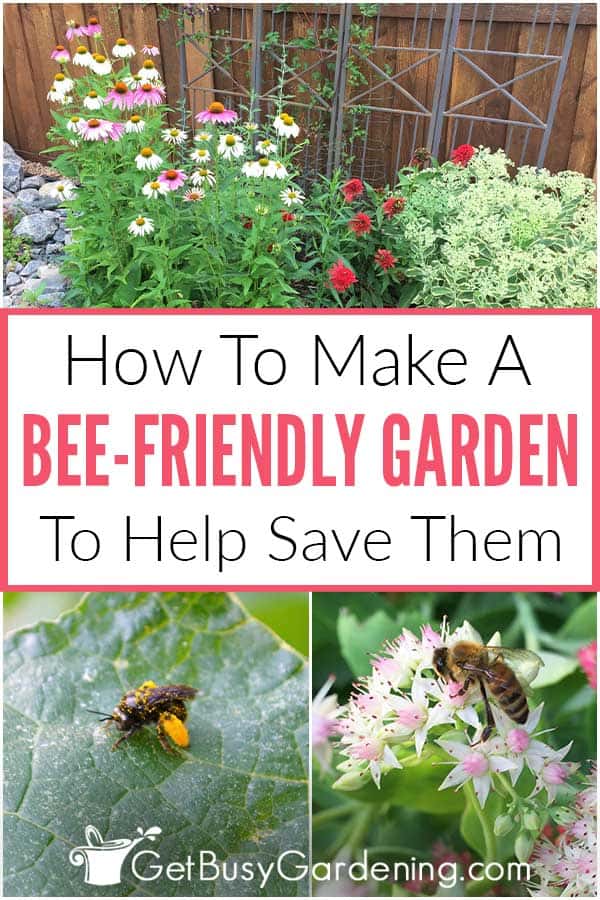
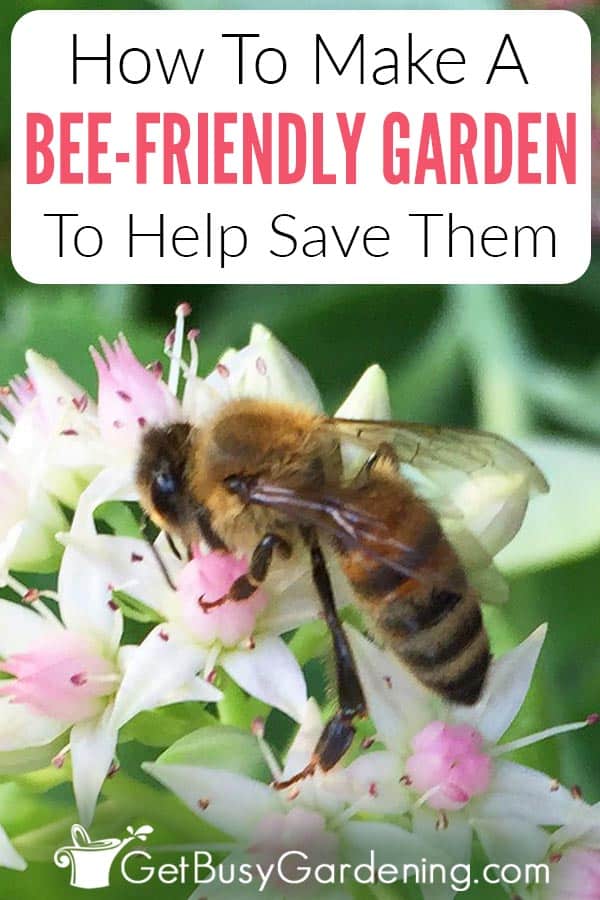
Bee-friendly gardens are easy to create, and look amazing too! Plus, you’ll be able to help save their declining populations. In this post, I’ll give you tons of tips for how to create a healthy and safe garden for bees.
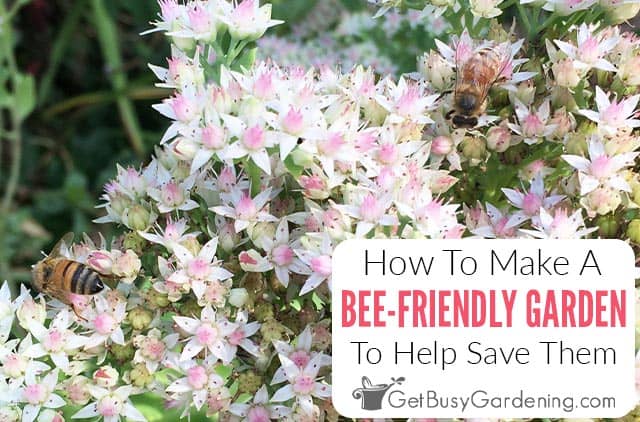

As bee populations decline all over the world, home gardeners can play a vital role in helping to save them.
Bees are a necessary and beautiful part of plant pollination. By creating a bee friendly garden you can increase vegetable yields, have gorgeous flower beds, and enjoy watching them buzzing around.
Even beginner gardeners can create a happy home for bees with this guide at hand.
In this detailed guide, I’ll give you tons of tips on how to create a safe and nurturing bee garden that provides them with food, water, and even potential nesting places that will encourage yearly returns.
What Is Happening To The Bees?
Two of the biggest contributing factors to bee population decline are pesticide use and loss of habitat.
As cities grow larger, and suburbia continues to sprawl, more and more of their native habitat is being stripped away every day.
Plus, as human populations grow, it puts more pressure on farmers to keep up with food production.
More farms also means less natural habitats for the bees…and poisonous pesticide use is common practice in modern farming.
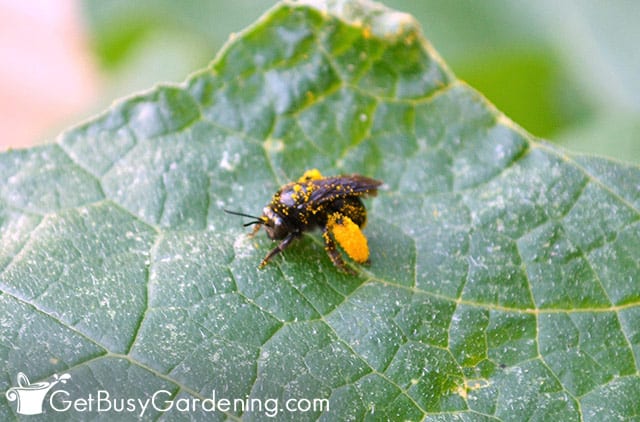
How Can We Help Save The Bees?
As gardeners, we can make a huge impact, and help to save them! By creating a garden for bees in your yard, you’ll be giving them a healthy environment to thrive in.
Providing plenty of pollen-rich food sources, readily available nesting areas, and a non-toxic environment, area all sure ways to quickly see an increase in the population.
Below I will give you design tips, show you how to create a bee-friendly garden, and even give you pointers for maintaining it.
Bee-Friendly Garden Design Tips
It’s not hard to design a bee-friendly garden, you just need to know the key factors that go into it. Here are a few things to keep in mind as you work on your design plan.
Choose Plants That Attract Bees
This may sound like a no-brainer to some, but not all plants attract, or are even good food sources for these important pollinators.
So make sure to look for flowers and plants that are best for the bees when you’re out shopping. Many will say so right on the tag.
Then simply incorporate them into your existing flower beds, create a new garden, plant them in containers, or use them as a border around your vegetable plot.
Plant In The Sun
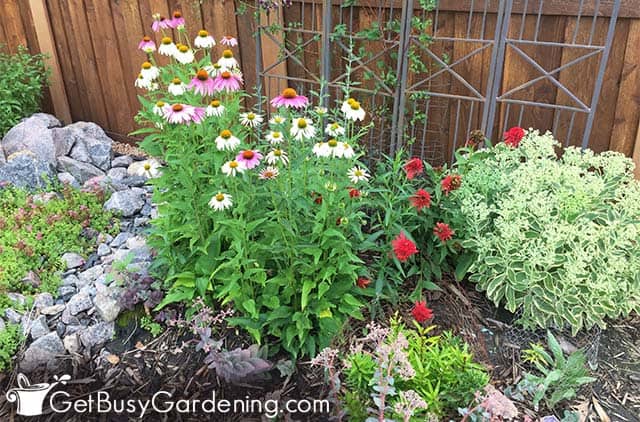
Though bees will visit the right garden regardless of the exposure, they prefer sunny plots. Cold, shady spots slow them down.
The full sun will keep them warm, and quickly moving around to collect all that pollen.
Create Everblooming Beds
Various species of bees are active throughout different times of the year. So, to attract as many types as possible, you should work to create what I like to call everblooming beds.
This means you’ll have a wide variety of plants that flower at various times throughout the entire season.
That way you’ll have something blooming for them from early spring through late fall, giving them a constant source of food.
Grow Your Own Food
The more fruits and veggies you have in your own garden, the less you rely on farming and commercial food production.
Plus, many types of fruits, herbs, and vegetables have flowers that are great sources of pollen for bees.
Of course, those plants also need lots of bees for pollination, which means you’ll have much larger yields.
How To Make A Bee-Friendly Garden
The first thing to think about when creating a bee-friendly garden is what to plant. Flowers are a no-brainer here of course, but they aren’t attracted to all types.
So, it’s important to plant the right kinds. Here are some tips for choosing what will work the best.
Incorporate Native Plants
Native plants are natural food sources for bees, and especially important for native species. So, a sure way to attract them to your garden is to plant flowers that are native to your area.
Many garden centers make this really easy for us by grouping native plants together for easy picking.
Use Colors That Attract Bees
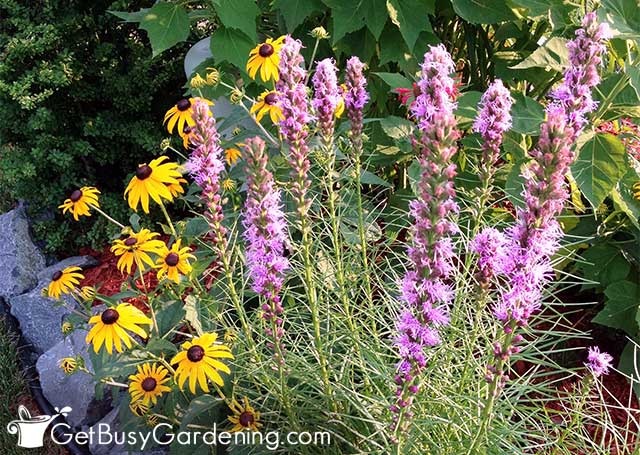
Though bees will visit any flower in your garden that has an abundance of pollen for them, there are a few colors that they prefer.
Their favorites are yellow, white, blue, and purple. So, make sure to add as many of these colors as you can.
Choose Plants That Feed The Bees
Many people don’t realize this, but the shape of the flowers you use in your bee garden matters.
There are certain shapes that make it easier for them to reach the pollen, and others that prevent them from getting to it at all.
The best shapes are bell or tubular, as well as flat or bowl shaped blossoms with single petals.
Though they look beautiful, double petals make it difficult, if not impossible, for bees to reach the nectar inside.
Diversify Your Plantings
Rather than planting only a few varieties, it’s important to diversify to keep the bees flocking to your garden. So, create a smorgasbord for them!
Include all types of plants – perennials, annuals, vegetables, herbs, fruits, trees, and shrubs. They will love the variety, and your garden will be constantly buzzing.
Create Large Groupings
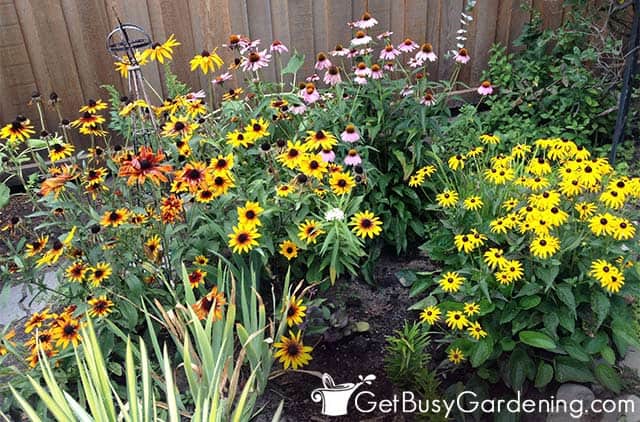
Though it is important to diversify, it’s equally important to create large groupings of the same plants. Creating large patches of color will make it easier for the bees to find your garden.
Related Post: How To Transplant Plants In Your Garden (5 Steps!)
Incorporate Flowers Into Your Veggie Garden
If you have a veggie plot, and you’re not interested in planting a flower bed, you can still create a bee-friendly garden.
Simply line your vegetable beds with some annuals that they will flock to. Doing this will also increase pollination, and your food production, so it’s a no-brainer!
Maintaining A Healthy Bee Garden
Making a bee friendly garden is only the first step. Once you get them flocking to it, it’s important to maintain a healthy environment for them. That way they’ll keep coming back for more.
Skip The Pesticides
Pesticides are one of the biggest reasons for bee decline, so it’s extremely important not to use any in your garden.
Even organic brands can kill them, so never do any broad application of any type of pesticide.
If you must use something to combat a pest problem that’s out of control, choose an organic product that doesn’t have any residual effect. Then use it to target the pest insects only.
Provide A Bee Nesting Habitat
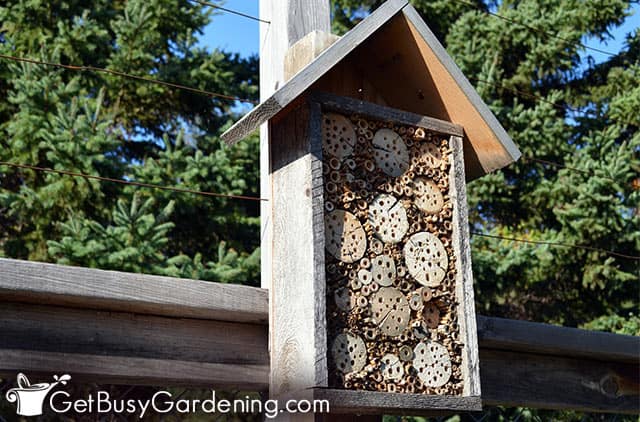
Providing nesting places in your garden for certain species, like leaf cutters and mason bees, is another great way to get them to stick around.
So, consider mounting one on a fence, or hang a few insect houses around your yard. They are also easy to make using tube inserts if you want to try a fun DIY project.
Add A Supplemental Food Source
If your bee garden hasn’t become established yet, then put out some supplemental food sources for them. You can simply put out a feeder that’s filled with sugary water or a feeding stimulant.
Give Them Fresh Water
Just like us, insects need water to survive. Giving bees a healthy water supply will ensure they visit your garden often.
This can be as simple as putting stones in a a shallow bird bath, or getting a puddler for them. Whatever you do, just make sure it’s shallow, and has several landing areas so the bees won’t drown.
Adding a bee-friendly garden in your yard isn’t difficult. By creating a healthy habitat with tons of food, you’ll be helping to save them. Plus, you’ll get to enjoy watching them happily buzzing around your yard.
Recommended Books
- Attracting Native Pollinators
- Pollinator Friendly Gardening
- Our Native Bees: North America’s Endangered Pollinators
- Birds, Bees, and Butterflies: Bringing Nature Into Your Yard and Garden
More Posts About Flower Gardening
- How To Design A Rain Garden Layout
- Annual Flower Bed Designs For Beginners
- Tips For Creating A Butterfly Friendly Garden
- How To Design A Front Yard Foundation Planting
Share your tips for how to make a bee friendly garden in the comments below.

Louise Clark says
Thanks so much for sharing all of this advice on planting the best bee friendly garden possible! Although a lot of people might consider them a nuisance, bees are a really important part of your plants’ health. That is why I think going the extra mile and choosing only pollinator friendly flowers is such a good idea. Plus, you don’t have to make your whole garden pollinator friendly; you can just dedicate a part of your garden to pollinators, like you said!
Amy Andrychowicz says
Very well said Louise, thanks for sharing! I am all about supporting bees, and other pollinators and beneficial insects! It makes gardening so much easier too, because there’s a natural balance when you work WITH nature, instead of against it.
Beesponsible says
This is a great article for anyone who’s considering incorporating bee-friendly practices into their landscape. Thanks for providing your input and being an advocate for bees!
Amy Andrychowicz says
Thank you! I love seeing all the happy bees and pollinators in my garden! 🙂