What’s the difference between annuals and perennials? That is a common question that new gardeners have, and it can be very confusing.
In this post, I’ll clear up the confusion between annuals vs perennials, and also give you the definition of a few other confusing terms you might see when shopping for plants.
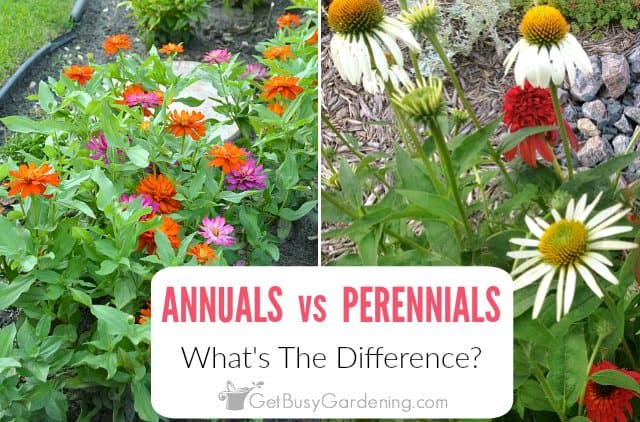

Annuals vs Perennials
When I first started gardening, I could never remember the difference between perennial and annual plants.
Then things really got confusing for me when I would hear other terms thrown around like “biennial”, “hardy annuals”, “tender perennials”…ahhh, what does it all mean!? I didn’t know so I just chose to ignore all of those words.
Now that I am a seasoned gardener, I know the importance of understanding what all of those different terms mean.
Understanding these terms has helped me become a more successful gardener. I want to help clear up the confusion for you too, so here goes…
What Is The Difference Between Annuals And Perennials?
The difference between annuals and perennials is that annuals only live for one year, and perennials live for many years.
BUT… just like everything with gardening (or so it seems), it’s a bit more complicated than that. Annuals vs perennials… it seems like it should be black and white, right?
However, there are several other terms you may see when you’re out shopping for plants that might confuse you, and can definitely muddy the waters. I’m going to dive into the details now, so hopefully I’ll answer all of your questions.
Let me start with the easiest ones first…
What Does Perennial Mean?
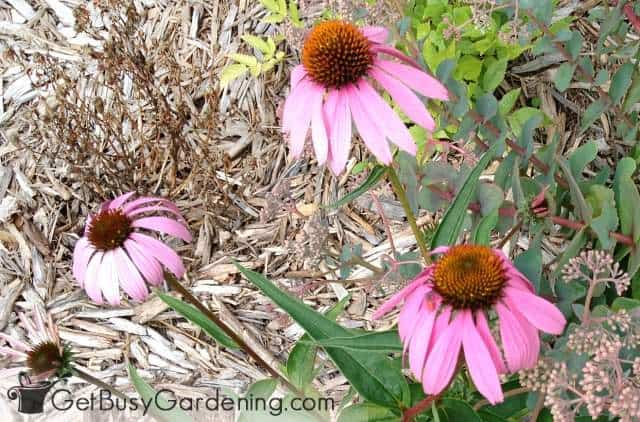
Perennials plants are the ones that survive through the winter, and grow back every year in the garden. These are usually further defined as plants that survive more than two years in the garden.
Most perennial flowers won’t bloom until they are mature or well established, which can take a year or so after they are planted. It usually takes perennial more than one growing season to mature when grown from seed.
Examples of perennial plants: It depends on where you live, but here are a few examples of popular perennial garden plants where I live… hostas, day lilies, cone flowers, sedums, peonies, black-eyed Susan, bleeding heart, liatris.
What Are Annual Plants?
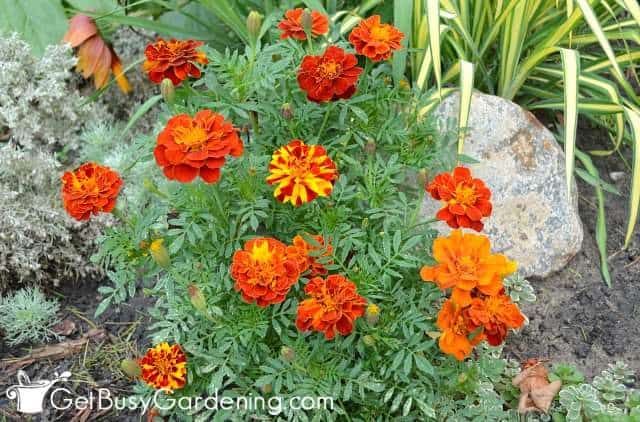
Annual plants are the ones that you have to replant every year, annuals don’t come back every year.
True annuals are plants that, in one growing season, start from seed, quickly grow to maturity, bloom continuously, set seed and then die.
Most annuals grown in my short growing season here in zone 4 will be killed off by frost before they reach the end of their life-cycle.
An easy way to remember this is that planting annual flowers is something you have to do annually, like your taxes (except WAY more fun!!).
This used to confuse me because I thought of it the opposite way, annuals come back annually right? Nope, but the confusion is understandable (and now I probably just confused you!).
Sometimes annuals act like perennials because they reseed themselves every year, so it can be a bit confusing to keep them straight just by judging by what grows back in your garden every summer.
Annual plant examples: Here are a few examples of true annual plants (and not just the ones they sell at the store as annuals)… petunia, marigold, snapdragon, zinnia, moss rose, morning glory, sunflowers.
But wait, there’s more…
What Is A Biennial?
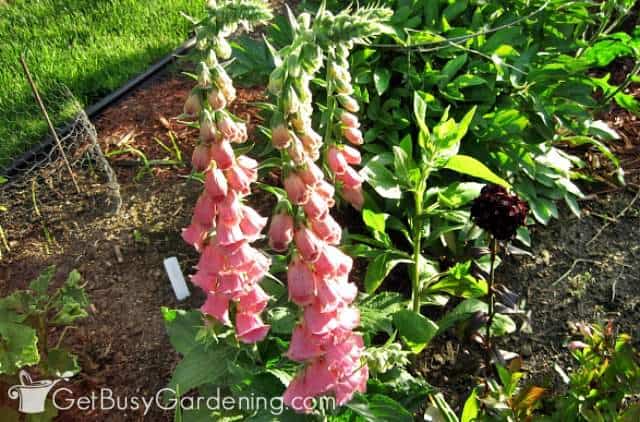
A biennial is a plant that only lives for two growing seasons and then dies. Characteristics for this type of plant are that during the first season, the plant growth will be foliage only, no flowers.
Flowering usually only occurs during the second growing season, and then the plant will set seed and die.
Most biennials reseed themselves and grow new plants in the spring, so they appear to be perennial.
Biennials are usually found in the perennials section of most nurseries, but the tag should tell you that it’s a biennial (hopefully).
Examples of biennials: Here are a few examples of biennials plants that you might be familiar with… foxglove, lupine, hollyhock, forget-me-not, dianthus.
What Does Hardy Perennial Mean?
Now, to really start blurring the lines… some types of perennials are more hardy than others, and this is determined based on the plants hardiness zone.
Wait…what’s a hardiness zone? Hardiness zones are a basic guide to help categorize the hardiness of plants so that gardeners will know which plants will grow well in their garden.
The USDA hardiness zones range from 1 through 11, with 1 being the coldest northern climates and 11 being the warmest southern climates (lucky them!).
Here in Minneapolis, we are in zone 4. Keep in mind that hardiness zones are a basic guide, so some plants that are listed as only hardy down to zone 5 may actually survive in zone 4 for example.
So, hardy perennials are referred to as plants that will survive in your growing zone, even through the harshest of winters. For example, zone 6 perennial plants are not hardy perennials here where I live in zone 4, they will be killed during the winter.
What Does Hardy Annual Mean?
Sometimes you will see plants that are categorized as a “hardy annual”. These are annuals that have a longer life span than most annual plants.
They will survive a mild winter climate, and in colder climates they survive cool frosty weather, during which they will continue to grow and set seed. But they are true annuals so they will eventually reach the end of their life-cycle and die.
What Are Tender Perennials?
As I mentioned above, the term perennial is subjective to hardiness zones. Having said that, a tender perennial is a plant that is a true perennial (lives longer than two years in the garden).
But the difference is that it’s not hardy in the zone where it’s being sold, and will not survive the winter if left outside.
A lot of the plants that are sold as annuals here in MN are actually tender perennials. Some of these plants could survive in the house and make great houseplants over the winter (tip: this is a great money saver!!).
You may also see tender perennials referred to as “tropicals”, which means they are from the warmer tropical zones like 10 or 11, or tropical climates even further south.
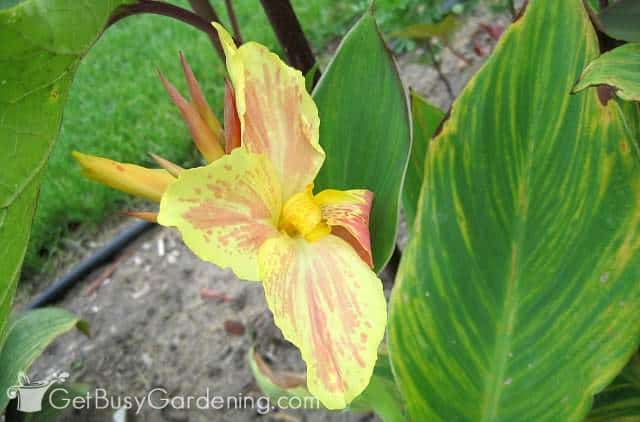
I’m sure there are other terms out there that you’ve heard and wondered what the heck they mean. There are so many different categories (some I think are made up) that it can be confusing.
Ok, pop quiz time…
- What flowers come back year after year? Perennials
- Do you have to replant annuals every year? Yes (unless they reseed themselves that is)
Hopefully I cleared up the confusion about annuals vs perennials, and helped to define a couple of these other terms for you without confusing you too much.
Recommended Reading
- The Flower Gardener’s Bible
- Annuals, Perennials & Bulbs for Your Home
- Annuals and Perennials: A Gardener’s Encyclopedia
- Annuals, Perennials, and Bulbs: 377 Flower Varieties for a Vibrant Garden
More Flower Gardening Posts
- 21 Of The Best Red Flowers (Perennials & Annuals)
- 21 Of The Best Yellow Annual Flowers
- Perennials Made Easy! How To Create Amazing Gardens
- Rain Gardens: A Detailed Guide For Beginners
Leave your tips for how you remember the difference between annuals vs perennials in the comments section below.

Pat Seewald says
Good read ! I’ve been gardening for about 20 years yet I still find your info helpful. Starting annuals from seed was fun for me many years ago but that can get old and of course take up needed space so my annuals are store bought and only for that extra Wow affect for summer color in the front yard. I looked you up because I again started Perennials from seed ( the impossible to find ones) and found your transplant info useful especially since I started a little late BUT could use some more clarity on the time of year that is safe to transplant from pot to garden…like the care needed if you transplant now in early June zone 7. Regardless KUDOS to you for creating this article.
Amy Andrychowicz says
Wonderful! So happy to hear that after all of your years of gardening experience, that you’re still learning. Love it! There’s certainly no shame in buying annuals rather than starting them from seed. It certainly is a lot of work to start them all indoors, that’s for sure! Here are a couple of posts that will help you out regarding transplanting your perennials…
How & When To Transplant Seedlings Into Your Garden
How To Transplant A Mature Plant In Your Garden
Patti says
Thanks for this info! I had a garden for years – but, now we live in a place with no garden space! Sadly, but I’ve found an outlet! My son and daughter-in-law have a garden so I’m going over tomorrow to start clean-up in their veggie! I’m pretty sure there’s nothing to salvage – but thanks to your help, I feel better equipped!! Thanks, I’ll be sure to visit your site again but- probably tomorrow!!!!
Amy Andrychowicz says
Wonderful to hear that you found this refresher on annuals vs perennials so helpful! Have fun working in “your” new garden. 🙂
elle says
thanks for the info. i am getting more interested in growing plants 🙂
Amy Andrychowicz says
Awesome, I hope you’ll get busy gardening very soon! 🙂
Debra says
Thank you so much for the information
Amy Andrychowicz says
You’re welcome! 🙂