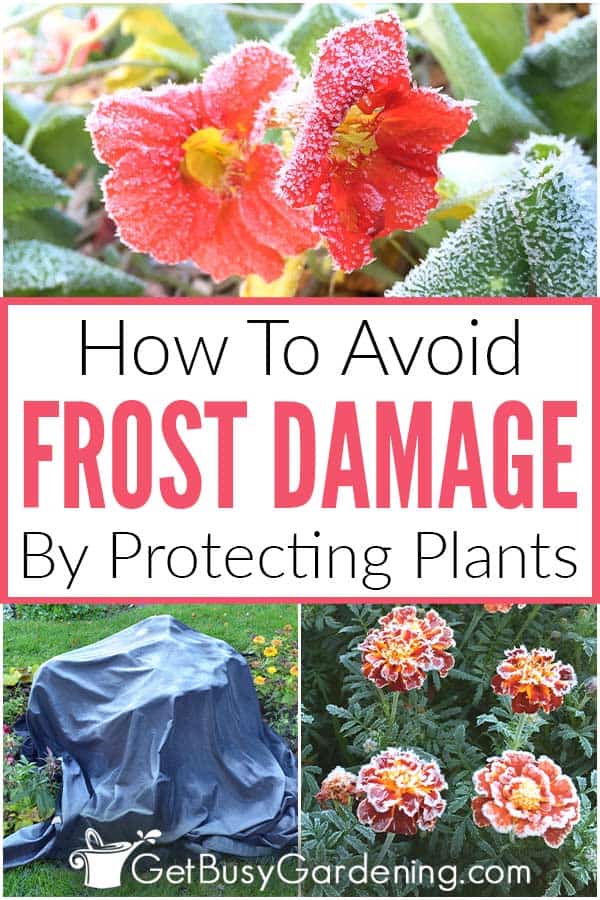
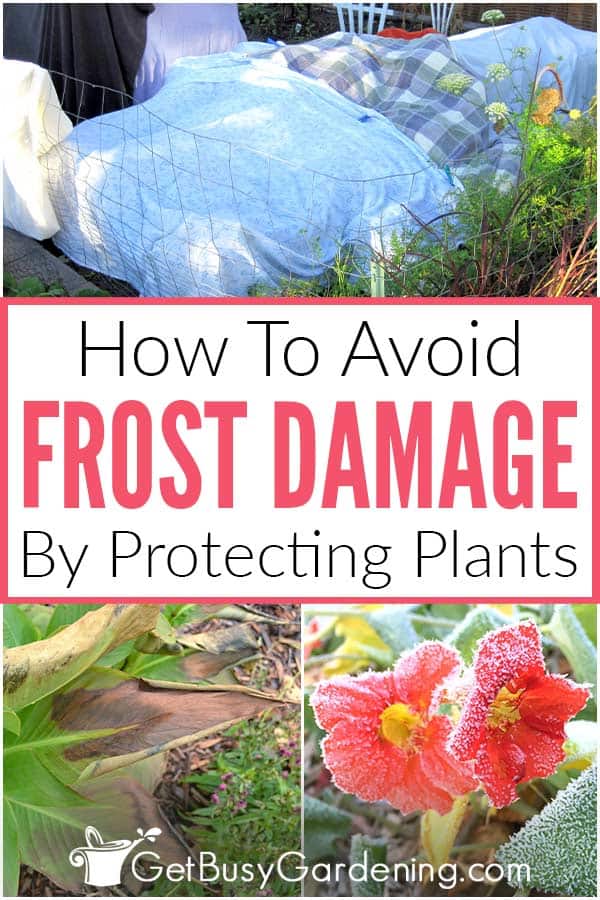
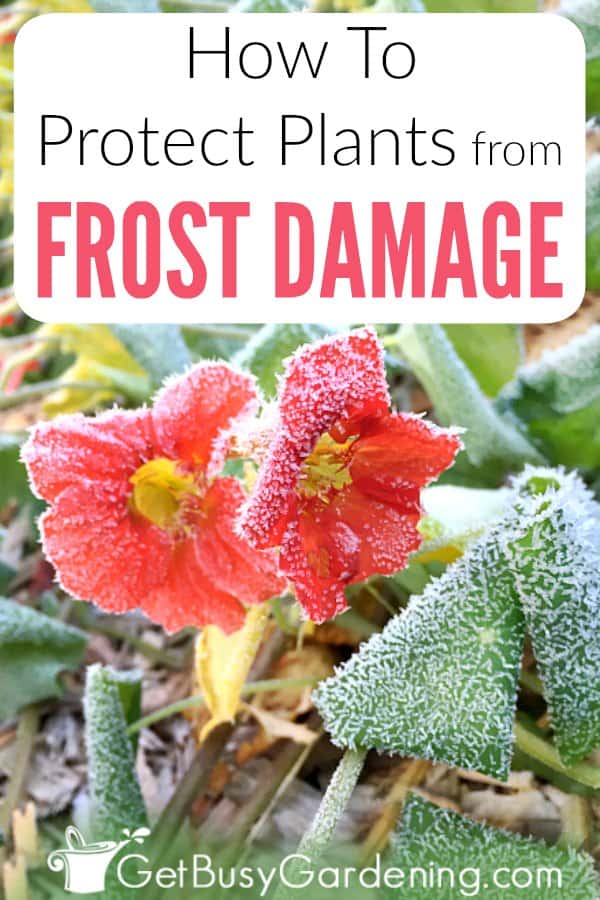
Protecting plants from frost will save them from damage, and it’s a good way to extend your gardening season.
In this post, I will talk about how to know when to cover your plants, which ones need to be protected, and the best materials to use.
Then I will show you exactly how to cover your plants step-by-step, and give you tips for what to do if you forget to protect them from frost.
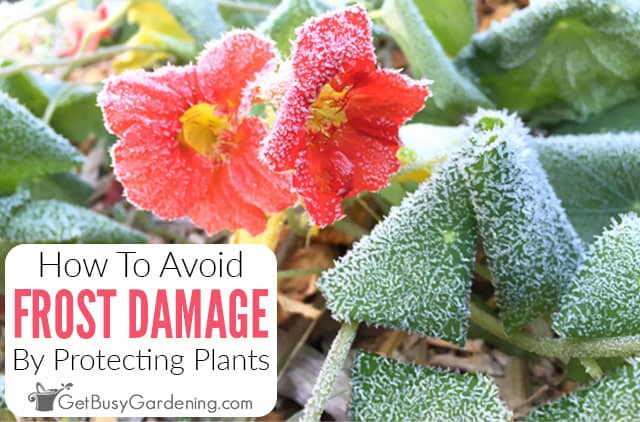

How Does Frost Affect Plants?
Though frost won’t always kill a plant, it can cause damage, stop growth, and ruin flowers and vegetables.
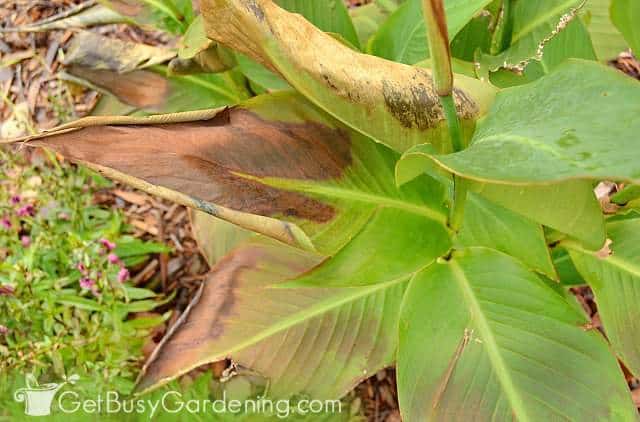
It can be as minor as brown leaf edges and wilted flowers, which just makes plants look ugly.
But severe damage can kill your flowers and ruin your crops, turning them to mush and rendering them inedible.
Taking the time to protect plants from frost will prevent damage and extend your growing season, sometimes by several weeks.
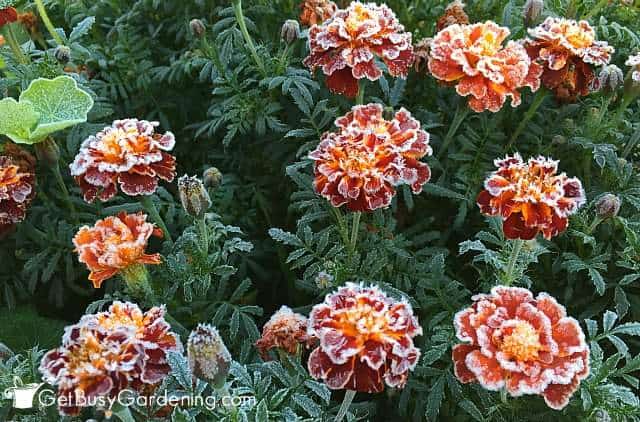
How Cold Does It Have To Be To Frost?
It doesn’t need to get below freezing to frost, it can happen anytime the temperature drops below 40°F on a clear, windless night.
There’s not a specific temperature for it either, it depends on the conditions. Just because it gets below 40°F doesn’t mean it’s inevitable. It doesn’t usually happen if it’s windy, cloudy, or raining.
If the forecast shows overnight temps will drop below 45°F, that’s when I start to get nervous and pay closer attention to the weather conditions.
If it seems the conditions are just right, or there’s a frost advisory or warning issued, then it’s time to take action.
Which Plants Need Protection From Frost?
You don’t need to protect all of your plants from frost. Hardy perennials, trees, and shrubs don’t need to be covered.
There are also many types of annual flowers, herbs, and vegetables that can survive frost without any problems.
The most important ones to protect are sensitive plants like tropicals, houseplants, and tender flowers and vegetables.
Frost-sensitive veggies include plants like tomatoes, beans, peppers, eggplant, melons, squash, tomatillos, okra, and cucumbers.
Cold hardy crops, like peas, lettuce, spinach, salad greens, carrots, broccoli, cauliflower, cabbage, beets, kale, and brussels sprouts won’t be harmed. In fact, many of these actually taste better after being touched by frost.

How To Prevent Frost On Plants
There are a few things you can do to prevent frost damage on plants. First, if it looks like the overnight conditions will be favorable, water your garden well that morning.
The water will help the soil heat up in the sun during the day, which will keep your plants warmer overnight.
Then you can either cover each individual plant or whole sections of your garden. To make it easier to protect your potted plants, you can group them together and cover them all at once.
Otherwise, if they’re light enough, you can simply move them into a porch, shed, or garage overnight.
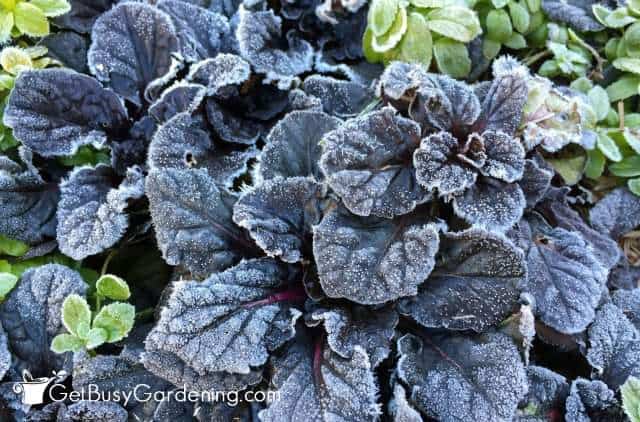
What To Use To Cover Your Plants
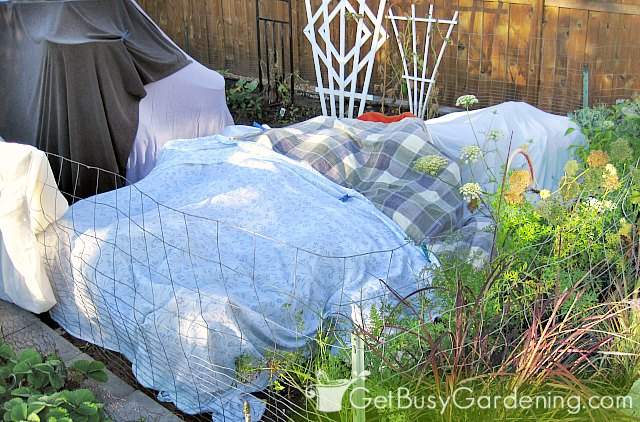
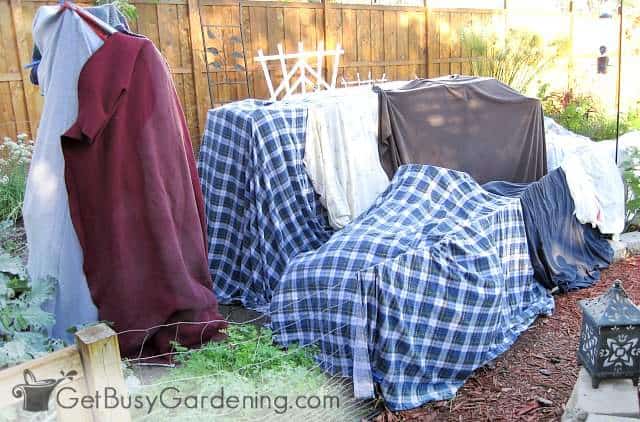
There are lots of different things you can use to cover your plants. It’s best to use something light so it doesn’t weigh down the branches. I like to use old bed sheets or thin blankets.
However, don’t use ones that you care about, because you risk staining or ripping them when you use them in the garden. Here are some examples of things you can use.
- Bed sheets (look for cheap used ones at yard sales)
- Burlap fabric
- Frost cloth
- Lightweight blankets
- A tent style cover
- Floating row covers
Can You Cover Plants With Plastic?
Do not use plastic to protect plants from frost because it can cause more harm than good. Plastic traps moisture on the inside, which can freeze and cause worse damage to the plant than frost would have.
Fabric works best because it holds in the heat that rises from the soil, keeping the plants warm. But it also breathes, so moisture won’t build up underneath.
If you must use plastic rather than cloth, use stakes or some other kind of support to make tents over the top, and take care to ensure the plastic isn’t touching any part of the plant.
When Should I Cover My Plants?
The best time of the day to start covering plants for frost is after the sun is off the garden, or right before sunset.
You don’t want to cover them too early in the day, or they could get overheated in the sun.
On the other hand, if you wait too long after dark, not only is it harder to see what you’re doing, but the soil will start to cool down quickly, so it won’t keep the plants as warm.
But even if you can’t get to it until after dark, it’s still beneficial. The chance of frost is highest in the early morning, so you’ll still have time to get everything covered in the evening.
Related Post: How To Winterize Your Garden In The Fall
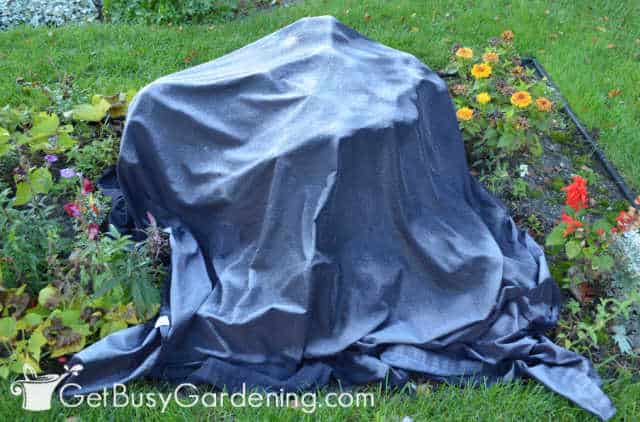
How To Cover Plants To Protect Them From Frost
To make sure your plants have the best possible protection against frost damage, it’s important that you cover them correctly. Below are the proper steps to take.
Step 1: Loosely drape fabric over the top – The best way to cover your plants is to drape the fabric over the top, and allow it to pool loosely on the ground.
Do not wrap them like a Tootsie Pop Sucker; where the fabric only goes over the foliage, and then you seal it around the stem or base of the plant. This won’t offer as much protection.
Step 2: Secure the fabric in place – It’s also a good idea to secure or weigh down the fabric so that it won’t blow off if there’s any wind. I use clothes pins to hold mine closed and connect them to each other to keep them in place.
You could also secure the bottom with cloth pins, rocks, or bricks to hold the fabric down if that’s easier for you.
Step 3: Remove the cover at the right time – It’s also important to remove the covers in the morning after the threat of frost has passed but before the plants get too warm.
This is usually right before or soon after the sun hits the area. Leaving your plants covered for too long in the sun can overheat them, which could be just as damaging as frost.
What To Do With Frost Damaged Plants
If you wake up to a frosty morning and realize that you forgot to protect your plants, that doesn’t mean everything will die. Many plants will survive with only minor damage.
If the frost was severe, then the damage will probably be noticeable right away. But sometimes you won’t know how bad it is until the plant thaws.
The best thing to do is wait for a few hours to assess the damage. If it’s minor, you can prune off the frostbitten leaves, flowers, and fruits, and give the plant time to recover. Unfortunately, you may not be able to save ones that froze.
More Seasonal Gardening Posts
- 5 Tips To Simplify Fall Garden Cleanup
- 5 Essential Fall Garden Tasks You Should Never Skip
- How To Prepare Your Vegetable Garden for Winter
- How To Winterize A Pond Step-By-Step
- Easy DIY Overhead Sprinkler System For Greenhouse Irrigation
Share your tips for protecting plants from frost in the comments section below.

David Long says
I built a raised bed and makeshift greenhouse using corrugated plastic attached to a pvc frame. The plastic top will be at least 18” above the plants. Our low temps are currently in the mid to high 30°’s. Do you think it’s too early to plant tomatoes and peppers? We usually don’t plant until Mother’s Day by would like to get a jump on the planting this year. I can email a picture if interested.
Amy Andrychowicz says
Sounds like a great way to protect your plants from these late spring frosts, thanks for sharing! I would not plant tomatoes and peppers until the soil is above 70F, and the air temp stays above 60F. They need a lot of heat. It’s not beneficial to plant them early when the ground is cold, because it will only stunt their growth. If it’s getting down below freezing at night, then it’s probably dropping below 60F in your makeshift greenhouse (and might even be dropping below freezing, which would kill them). You can start them inside to get an early start on them, they transplant very well.
Lucas says
Honestly as you say covering plants with fabrics can be a pain, short of row hoops i’ve never really wrapped plants (with burlap for example). One thing I think for the lazy gardener which is useful is there are all sorts of companies making small greenhouse and hotboxes. They also make fairly useful covers for raised beds if you are leveraging them.
Amy Andrychowicz says
Great suggestion for more ways to protect plants from frost! Thanks for sharing your tips.
Carole @ Garden Up Green says
Great tips – so glad we don’t have worries of frost down south until about mid November. I normally use tarps, looks like you may have used sheets? Fall planting is in covered raised beds so slipping a tarp over the cage is a breeze and keeps those veggies growing through winter. So great to serve broccoli from the garden in December and January. Enjoyed!!
Amy Andrychowicz says
You’re so lucky! The sheets are just there to protect the plants from frost overnight, I remove them after the temps warm up in the morning. I would have to use a cold frame, greenhouse or other sturdy structure to grow food through the winter here. 🙂
Grace Hamilton says
I often lay a string of Christmas lights around the plants in the planting beds. Then when I tent them with sheets, it adds just a couple of degrees more warmth.
Amy Andrychowicz says
That’s a great idea Grace! Thanks for sharing your extra frost protection tip!