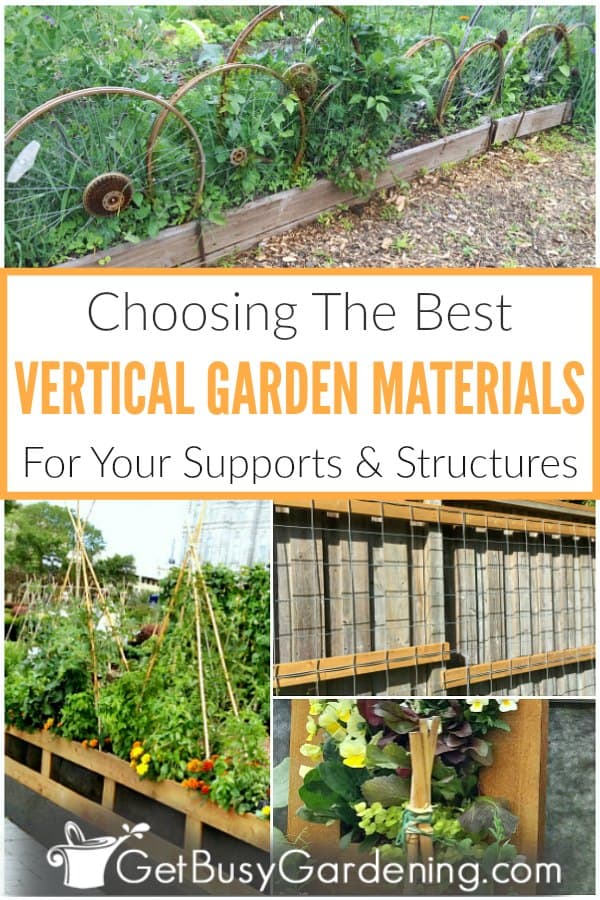
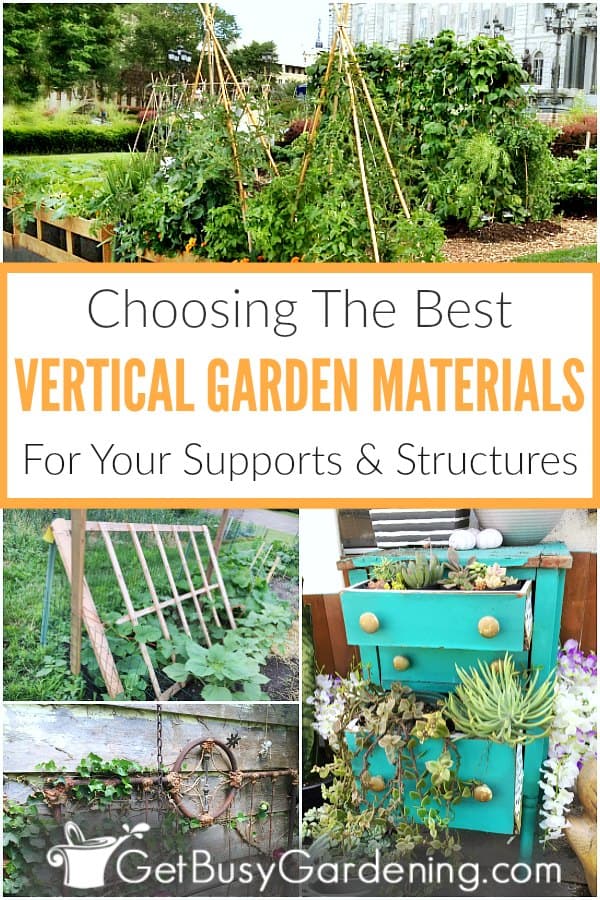
Looking for vertical garden materials is fun and exciting! Learn about the most common types of materials to use to make a vertical garden – including things to consider, pros and cons for each, and how to decide which to use in your garden.
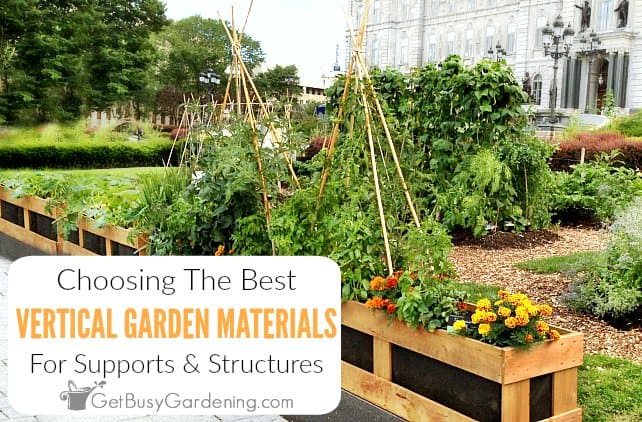

One of the things I love the most about growing vertically is that there are so many fun materials you can use to build your supports! It’s easy to get caught up in the excitement and forget to think practically.
You want to find vertical garden materials that work with the type of structures you plan to build. But it’s also important to choose items that fit with the size and height of the plant, are safe to use, and also work for your budget.
Sounds logical, but sometimes it can be confusing to figure out which materials are best for you and your plants. So below I will break it all down for you to make it much easier for you to decide.
How To Choose Materials For Vertical Gardening
The most important things to keep in mind when looking for vertical gardening materials are the cost, safety, durability, and your personal preference.
Budget
One of the main deciding factors for most people is the cost. Some materials are much less expensive than others, and many can even be found for free.
Also, items that are readily available tend to cost less than materials that are difficult to find.
Safety
Safety is also a big concern for many people, especially when it comes to growing food.
Some materials can contain chemicals, like arsenate or lead, that are not safe to use in the vegetable garden.
Durability
When deciding on types of vertical garden materials, be sure to think about the strength, and how long you need it to last.
For example, you’ll want to choose strong, long-lasting materials for growing large perennial vines.
Preference
Many times the final decision comes down to personal preference. Think about your current garden space, and choose materials that fit with the existing style and design. Then have some fun with it, and add your own unique flair!
Different Types Of Vertical Garden Materials
As you start to consider all of your options, you’ll quickly realize that there are tons of materials to choose from. It can be overwhelming to figure out which are the best for building the different types of vertical gardening systems.
Since there are so many different materials to use to make a vertical garden, I wanted to break it down so it’s easier for you to choose what to use in your garden.
So below I have listed several of the most common vertical gardening materials. I’ll tell you a little about each one, as well as the pros and cons, so that you can make an informed decision.
Wood
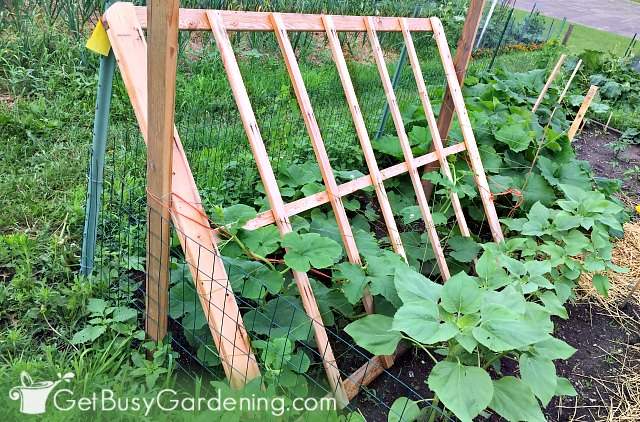
Wood is one of the most popular choices for building vertical gardening structures. It’s easy to work with, readily available, and can be used to build all kinds of vertical gardens.
Since wood rots over time, especially the parts buried in the ground, it’s best to use a naturally rot resistant wood, like cedar.
Pressure treated wood is usually much cheaper to buy than naturally rot-resistant wood, and may be more budget-friendly. But many people worry that it’s not safe to use, especially in their vegetable garden.
Newly pressure treated wood is considered safe for use in vegetable gardens. However wood that was treated before the early 2000’s may contain arsenate, a chemical which can leach into the soil.
That being said, pressure treated wood is still processed using chemicals. So it’s up to you to decide if you want to use it in your vegetable garden, or if you’d rather stick to using natural, untreated woods.
Metal
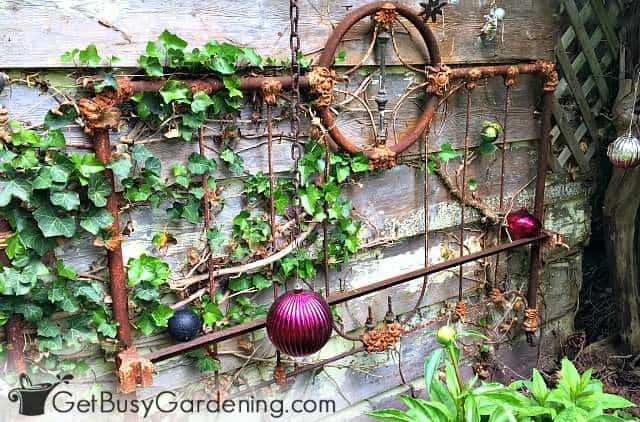
Metal is a common vertical garden material used for making trellises, obelisks and arches. It’s beauty and durability are hard to match.
Not only is metal a beautiful material to use for a vertical garden, it’s strong and can last for many years outside.
The biggest disadvantage of using metal is that it can rust or patina over time, and some types rust faster than others. That’s not always a bad thing though. Many people love the look of rusty or patinaed metals in the garden.
Another thing to consider is that some types are very heavy, which may not be practical for building large structures.
Metal Fencing
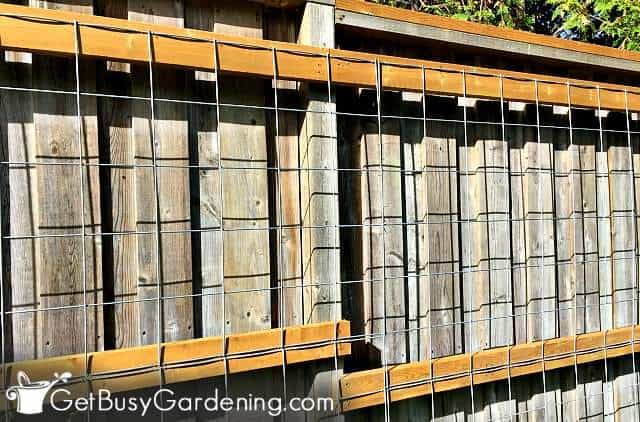
Another common garden trellis material to use is metal fencing. It’s inexpensive, easy to work with, and I’m willing to bet that most gardeners have leftover rolls collecting dust in their garage.
When it comes to choosing the type of fencing for your project, be sure to take into consideration the thickness of the metal.
Garden fencing made out of thin wire, like chicken wire, isn’t strong enough to stand up on its own. So it will need extra support to keep it from collapsing.
Fencing made from thicker gauged metal, like cattle panel fencing, is much heavier, and can be used for building strong structures.
The biggest downfall of using fencing for growing food vertically is that large vegetables, like cucumbers and squash, can become wedged in the fencing as they mature.
Pots & Containers
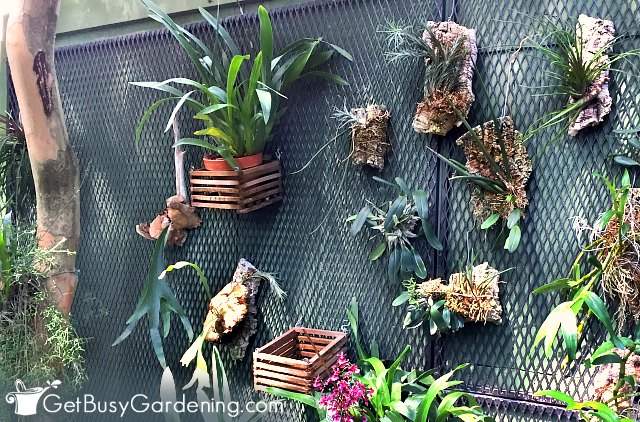
It’s fun to find unique ways to use pots and planters as materials for vertical gardens, and there are tons of gorgeous options. But there are a few important things to look for when choosing your containers.
Some planters are lighter weight than others. Then once they’re filled with wet soil, they will become much heavier. So you should always think about the full weight of the planted container when deciding which materials to use for hanging gardens.
Pots made of clay, ceramic or cement are too heavy, and aren’t practical to use for hanging vertical gardens. Instead, look for planters made out of lighter weight materials, like plastic, wood or wire.
It’s also important to ensure your pots always have drainage holes to avoid drowning your plants. If the planter you want to use doesn’t have holes in the bottom, then drill some before planting.
Natural Materials
When it comes to finding materials for vertical gardening, you may not have to look any further than your own backyard.
Branches, twigs and grapevines are examples of items you could use to create temporary supports in the garden. The stalks of tall plants like sunflowers or corn can also be excellent, natural trellis materials.
These natural vertical garden materials are free, which is a huge bonus. Plus, in the fall when it comes time to pull your plants, you can simply toss the whole thing into the compost bin, support and all.
But these types of materials are temporary and not very strong. So be sure to choose plants that will work with the structures you plan to build.
Since they aren’t meant to be permanent, it’s best to use them for growing annual plants that die after each growing season.
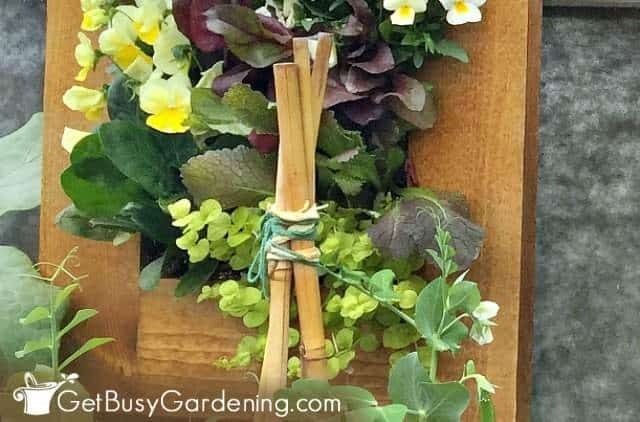
Bamboo
Another type of natural material, bamboo is strong and rot-resistant. You can use it to to make very sturdy supports that will last for several years.
Bamboo is great for staking plants, or making simple structures like teepees or trellises. It’s also very easy to work with, and looks beautiful in the garden or in containers.
If you’re lucky enough to have a dependable supply of bamboo readily available to you, then you’re in business. You may even be able to get it for free. But for others, bamboo can be difficult to find and expensive to buy.
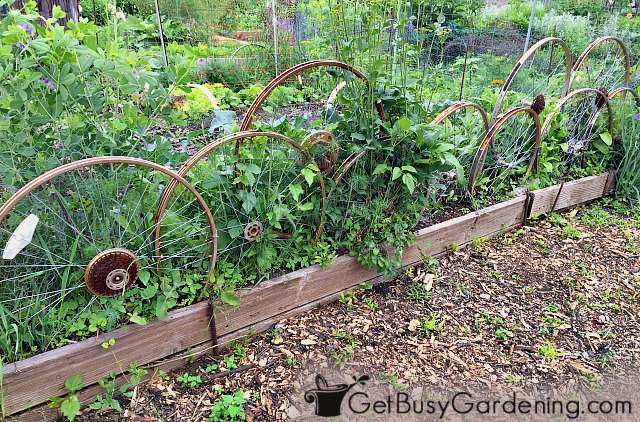
Upcycled Materials
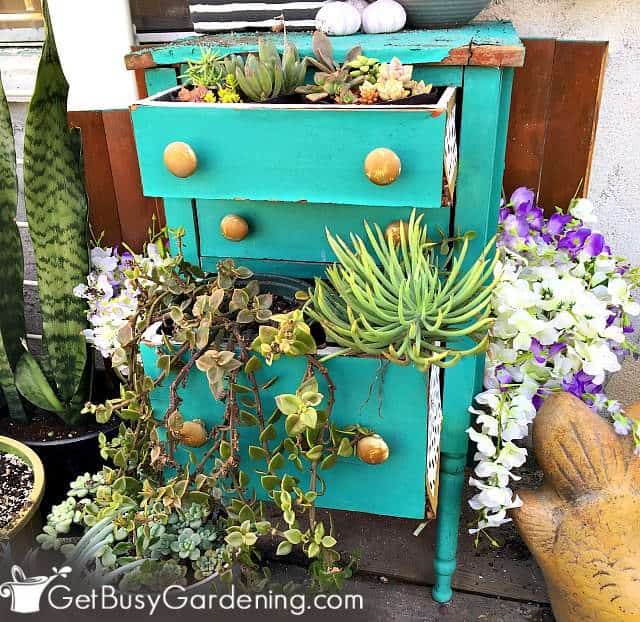
When it comes to using upcycled materials for vertical gardening, the options are limited only by your imagination.
You can find lots of fun materials for pennies at second hand stores and yard sales. Or if you’re lucky, you can get them for free! You may even find hidden treasures in your garage or shed that you can repurpose and use as vertical garden materials.
However, if you plan to use antiques or vintage items, be careful using anything that was painted before 1978 because the paint could contain lead.
Also, some materials will break down or rot much faster once it’s outside in the garden. So think about how long it might last once it’s exposed to the elements outside before you decide to use it.
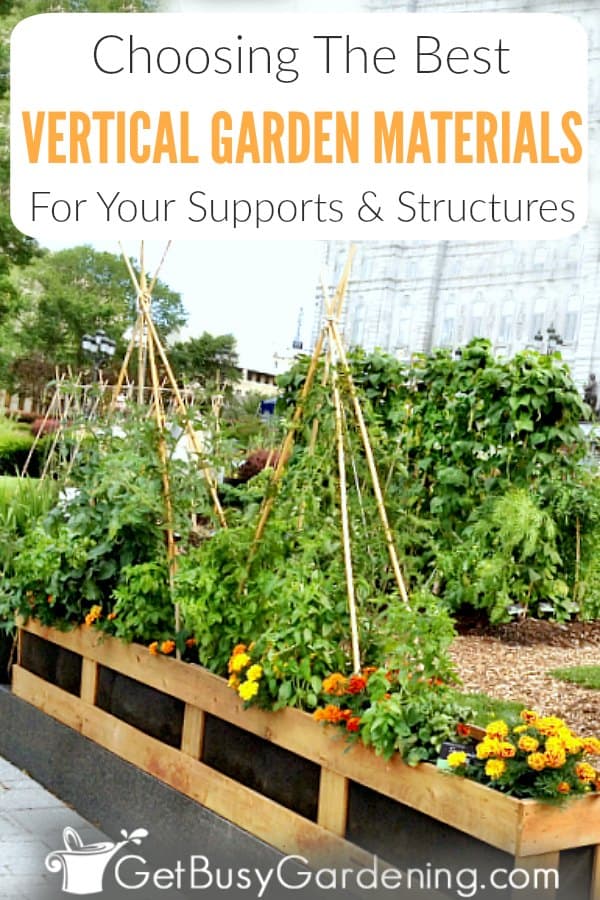
There are tons of fantastic vertical garden materials that you could use to build all kinds of structures and supports. But you have to be careful to choose items that are both practical and safe to use in your garden. Many times it comes down to the availability of certain materials in your area, your budget, and your personal preference.
If you’d like to learn how to make the most of your space and get as much homegrown food as possible, then my Vertical Vegetables book is perfect! It will teach you all you need to know, has tons of gorgeous photos, and includes 23 DIY projects you can build for your own garden. Order your copy today!
Learn more about my Vertical Vegetables book here.
More About Vertical Gardening
- Building A Vertical Garden: DIY Tips For Beginners
- How To Choose The Best Vertical Garden Plants
- The Amazing Benefits Of Vertical Gardening
- 15 Fabulous Vertical Gardening Ideas & Designs
Tell us your favorite vertical garden materials to use in the comments below!

Leave a Reply