You’ve probably heard me talk about balancing your garden, and how it’s the foundation for creating a healthy, thriving garden that you love.
But what does it actually mean?
That’s an important question because creating a balanced garden isn’t just another hack, trend, or buzzword. It should be the #1 goal that you’re always working toward.
And once you understand what it is, you’ll start seeing your garden in a completely different way.
What Is a Balanced Garden?
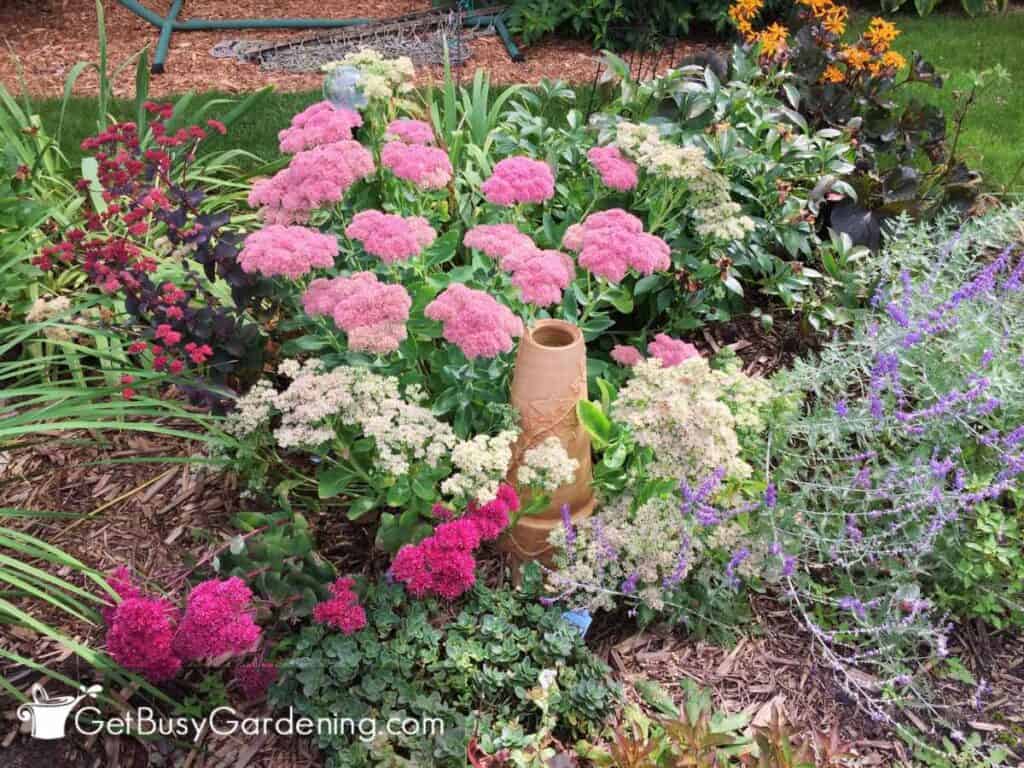
A balanced garden is one where everything works together to support strong, resilient plants that can thrive and naturally resist problems on their own, without your constant care.
Every part of your garden plays a role, from the sun to the soil, including water, nutrients, temperature, and seasonal changes. Heck, even the bugs, weeds, and other critters all influence how well your plants can grow.
That’s because everything in your garden is connected.
So when one thing gets out of whack, like too much water, poor soil, or a lack of nutrients, it creates a ripple effect through your entire garden.
Those imbalances stress and weaken your plants. And weak, sick plants are much more vulnerable to bugs, diseases, and other problems.
Why Balance Matters
When everything in your garden works together in harmony, it creates an environment where your plants have exactly what they need to grow strong and resilient.
So your garden will be easier to maintain because you’ve created an environment that supports healthy plant growth, rather than one that causes the plants to struggle or depend on you for constant care.
That means you’ll spend less time watering, fertilizing, spraying, weeding, dealing with pests, and fixing problems.
How Do You Know If Your Garden Is Out of Balance?
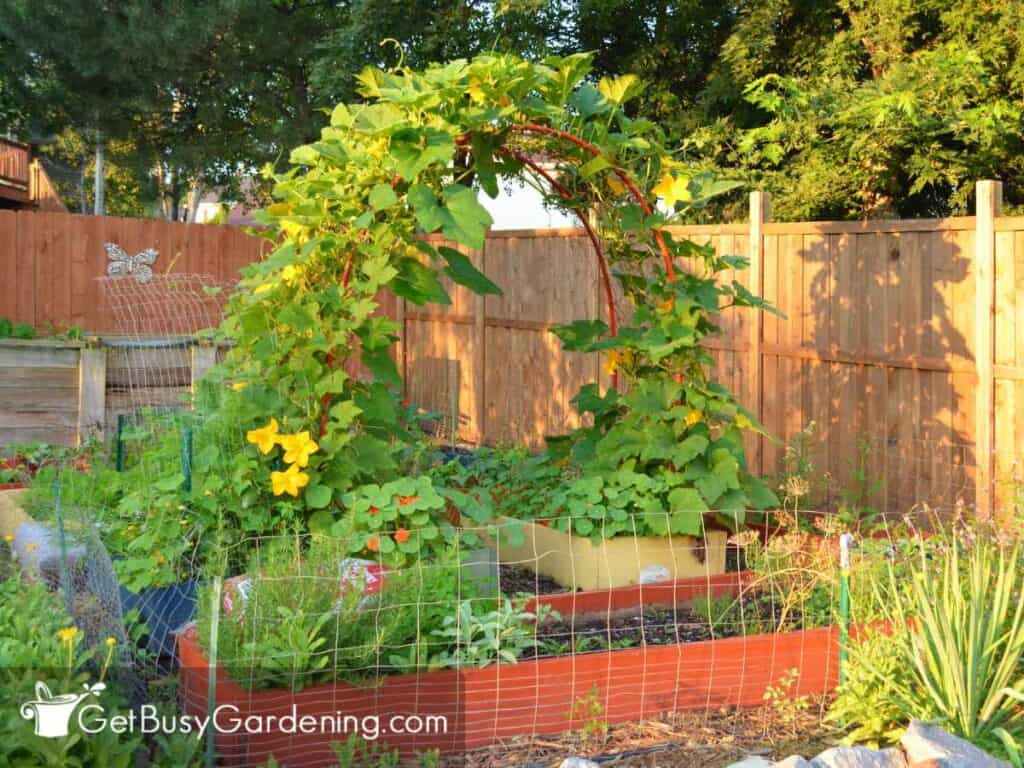
Imbalances show up in lots of different ways, and several things could be going on at the same time.
Here are some of the most common signs that your garden is out of balance:
- Instead of enjoying your garden, you’re constantly watering, weeding, pruning, fertilizing, spraying, or fixing something.
- The same bugs, weeds, and plant problems keep coming back year after year.
- Your plants struggle to grow and stay healthy.
- Your garden keeps declining year after year, or gets worse instead of better.
- It seems harder than it should be, or like it’s too high maintenance.
- It feels messy, stressful, or out of control.
- It’s constantly plagued with problems, or you’re always fighting one thing after another.
- Everything starts out strong in the spring, but by mid-summer it’s chaotic, struggling, or overgrown.
- It’s hit-or-miss, like every year is different and you just can’t get consistent results.
- You feel like you’re doing everything right, but your garden still isn’t turning out the way you want.
What Causes Imbalances in Your Garden
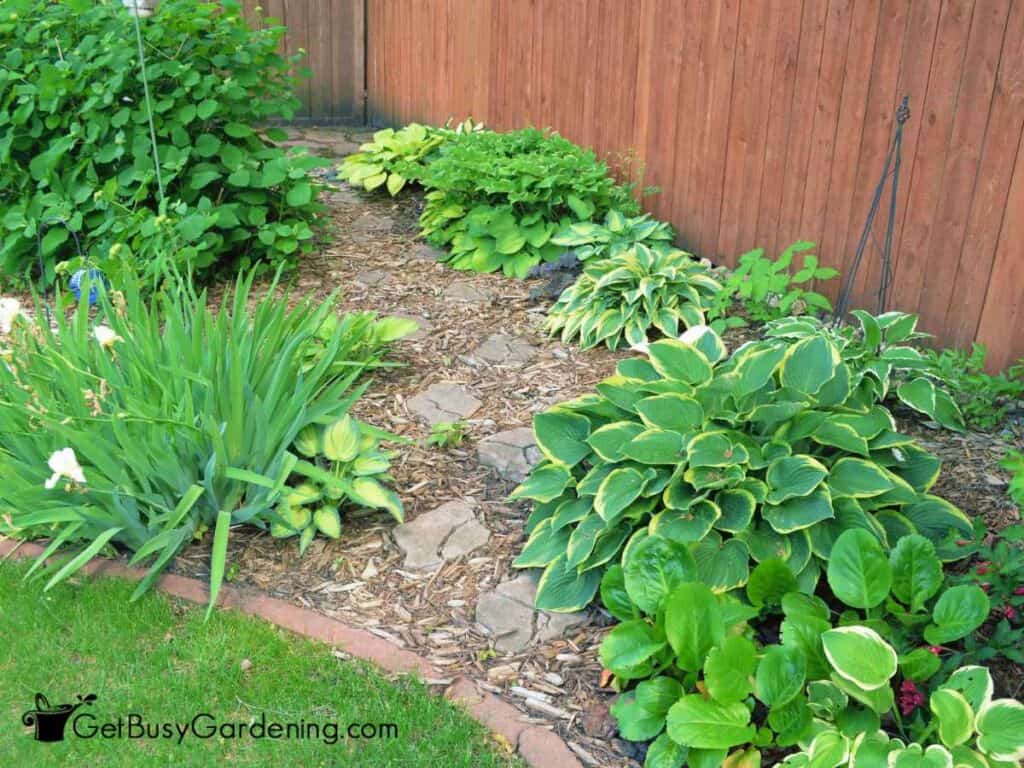
Your garden doesn’t get out of balance overnight, and it’s rarely caused by one major event. It’s usually the result of several small things that add up over time.
And after almost 20 years of teaching people how to garden, I keep seeing the same common mistakes being made over and over again.
Here are four of the biggest ones:
- Trying to maintain a perfectly controlled environment where there aren’t ANY weeds, bugs, or other critters.
- Not fully understanding the conditions in your garden, like sun, soil, water, nutrients, and temperature.
- Buying the plants you like without knowing if they’ll actually work in your garden.
- Waiting until problems pop up, and then working hard to fix them.
How To Balance Your Garden
The good news is that this is all fixable with a few simple shifts in your strategy — and in the way you think about gardening.
And you can start balancing your garden right now, no matter where you’re at, how messy or out of control things feel, or how many mistakes you’ve made in the past.
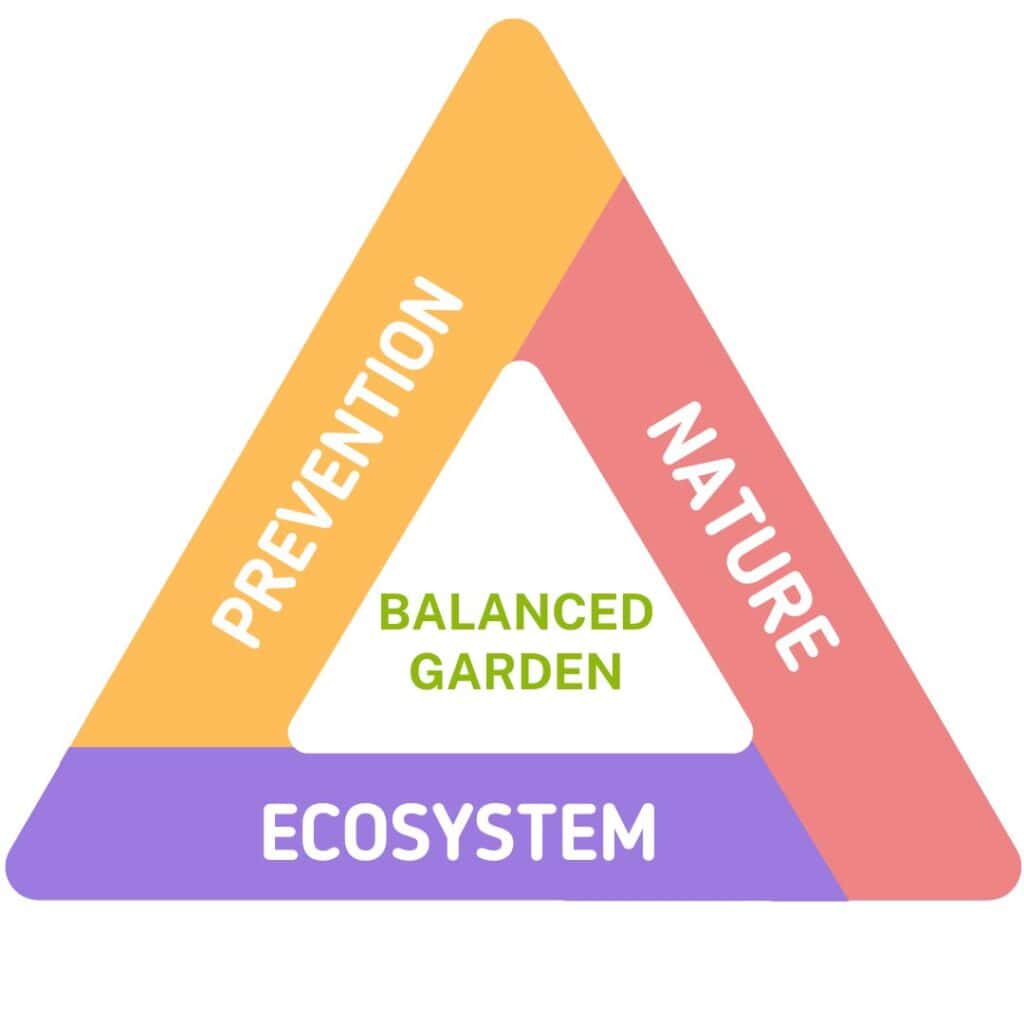
To do that, you simply incorporate my 3 Pillars of a Healthy Garden:
- Treat your garden as an ecosystem where everything works together as a functional unit.
- Practice a prevention-first approach to stop problems before they start.
- Work with nature instead of trying to fight against it.
These 3 Pillars of a Healthy Garden are the foundation of everything I teach, and they’re the key to creating a balanced garden where plants can thrive without your constant care.
Your Next Step: Start Balancing Your Garden Today!
The sooner you start creating a balanced garden, the sooner you’ll start seeing positive changes in the health of your plants, and your entire garden.
If you’re ready to stop fighting problems and start creating a balanced garden today, the Garden Growth Course is your next step.
Inside, you’ll learn exactly how to create a healthy, low-maintenance garden where your plants can thrive without your constant care.
FAQs
How long will it take to balance my garden?
You’ll start to see improvements pretty quickly once you begin making these changes. But keep in mind that you’re working with nature here, so how long it actually takes to get your garden balanced will depend on how far out of whack it is today.
This isn’t just a matter of checking things off a list and voilà! your garden is magically balanced. It’s building simple habits that you’ll continue practicing and improving as part of your regular routine, season after season.
How will I know when my garden is in balance?
You’ll know your garden is becoming more balanced because it will be so much easier to maintain, and your plants will grow stronger, healthier, and more resilient.
You’ll deal with fewer bugs, weeds, diseases, and recurring problems, so ultimately you can spend less time working in your garden and more time enjoying it!

Leave a Reply